
Tired of cleaning that takes forever and leaves streaks? You scrub and scrub, but the results are disappointing. It feels like a never-ending, frustrating chore.
A good microfiber towel makes your life easier, more efficient, and cleaner. It’s not just a cloth; it’s a tool that saves you time, makes cleaning less of a chore, and protects your home and health by reducing the need for harsh chemicals.
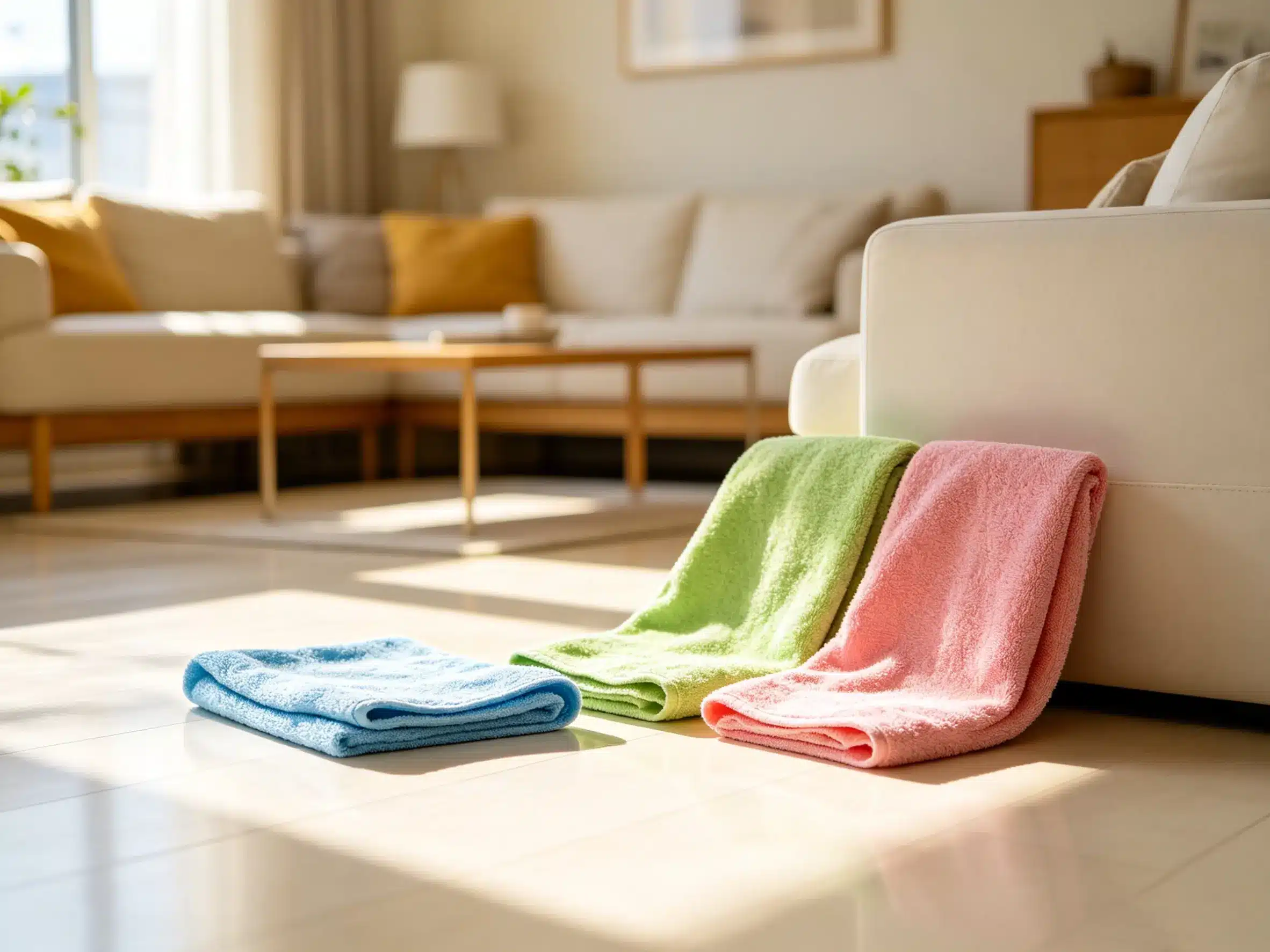
I used to think a cloth was just a cloth. I’d grab any old rag and get to work, often ending up more frustrated than when I started. But then I discovered the real difference microfiber makes. It’s not just about the material; it’s about what that material does for your daily life. Let me explain what I mean.
How can microfiber towels save you time every day?
Do you spend too much time re-wiping surfaces? You clean the kitchen counter, but it’s still greasy. You wipe the mirror, but it’s full of streaks.
Microfiber towels can cut your cleaning time significantly.1 Their unique fibers trap dirt, grease, and moisture in a single pass. This means no more re-wiping, no more washing the cloth mid-task, and no more frustrating streaks, saving you precious minutes every single day.
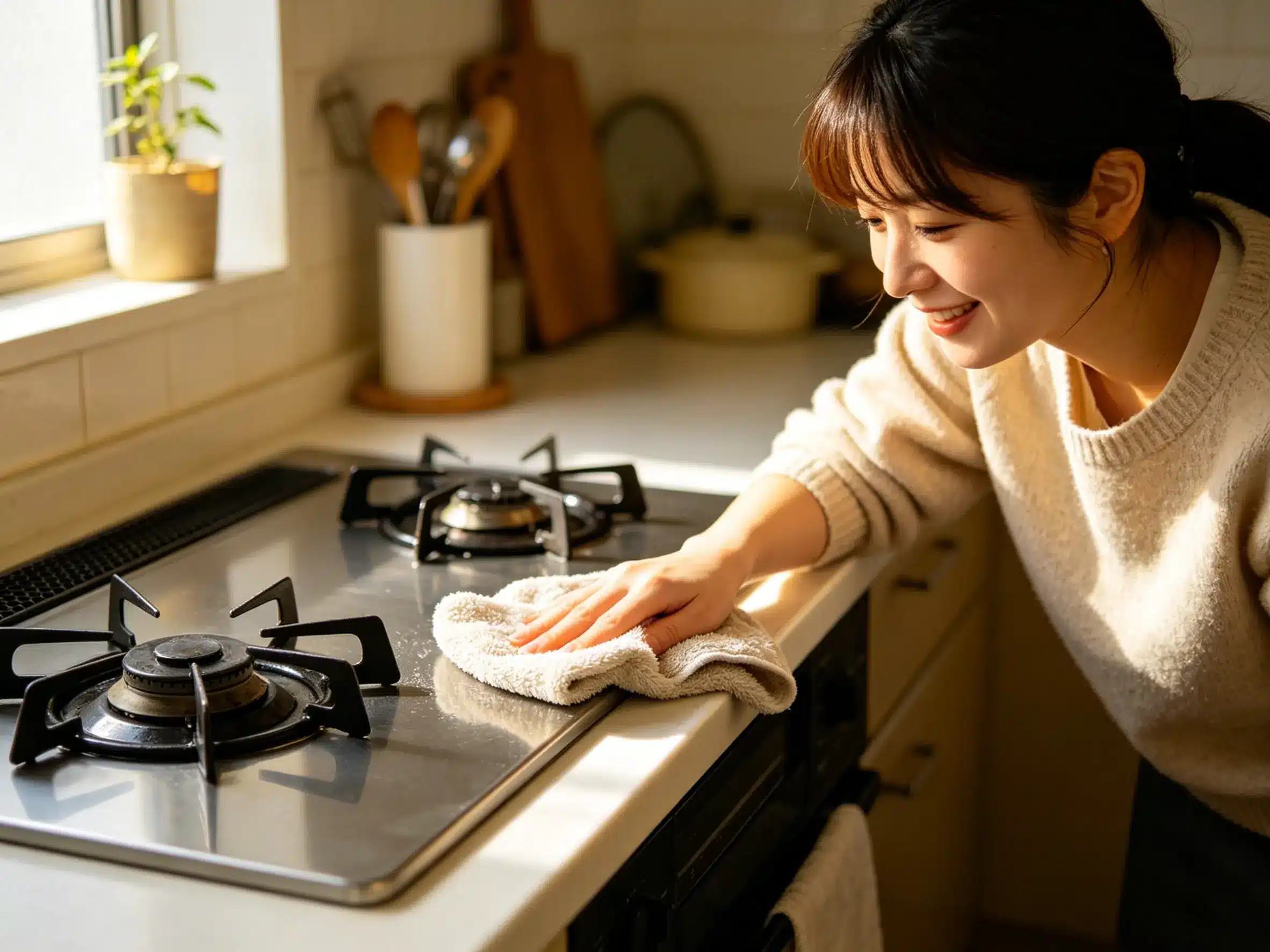
Let’s break down a simple task, like cleaning a greasy stovetop after cooking. With a regular cotton cloth, my process used to look like this:
- Wipe the surface, smearing the grease around.
- Rinse the cloth with hot water and soap.
- Go back and wipe again, still chasing the grease.
- Finally get the grease off, but now the surface is wet and streaky.
- Grab a dry towel to buff out the streaks.
With a microfiber cloth, the process is just one step: wipe the surface. That’s it. The fibers grab and hold onto the grease, lifting it away cleanly.
Think about how much time this saves. If you save just five minutes a day on small cleaning tasks like this, that adds up to over 30 hours a year. That’s more than a full day of free time you get back. As a supplier, I’ve seen how this simple time-saving benefit is a huge selling point. Our clients’ customers aren’t just buying a cloth; they are buying back their time.
What makes cleaning with microfiber towels so much easier?
Many people hate housework. It’s not just about the dirt; it’s the physical effort. Scrubbing hard surfaces and feeling exhausted afterward is a common complaint.
Microfiber makes cleaning physically easier. The split fibers do the hard work for you, grabbing and lifting dirt with minimal pressure.2 You don’t need to scrub hard. This reduces the strain on your back, arms, and hands, turning a tough chore into a simple task.
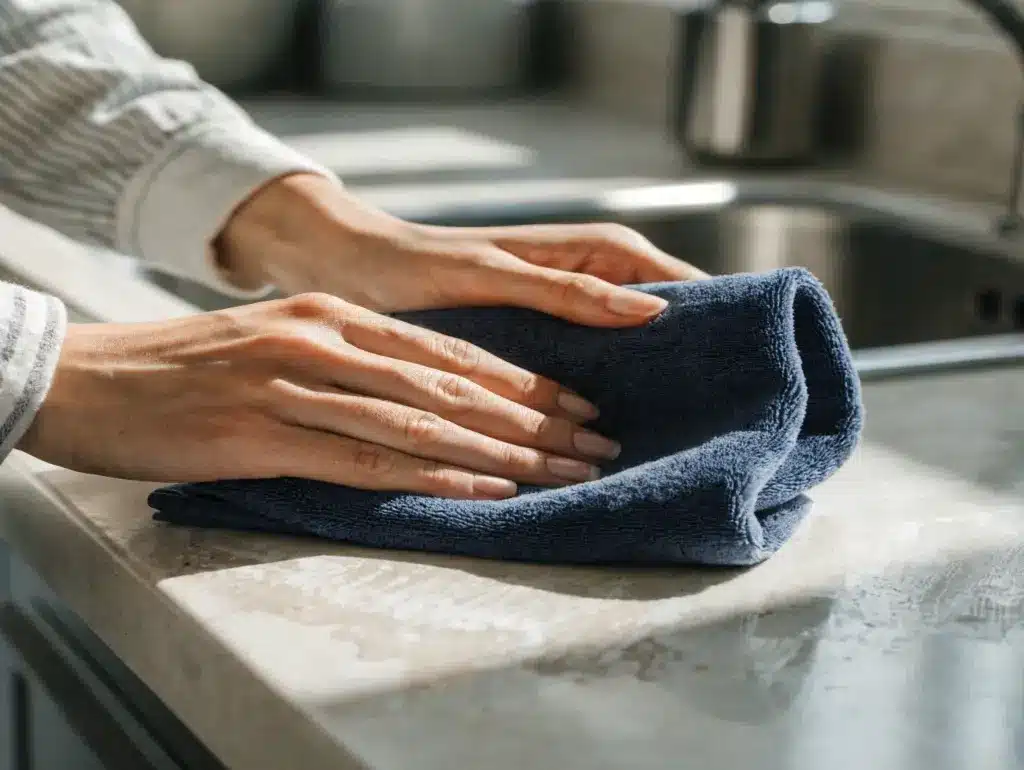
The magic is in the science. Each microfiber thread is split into millions of microscopic fibers, much thinner than a human hair.3 These tiny fibers have sharp edges that act like tiny scoops, getting under dirt and lifting it up. They also create a static charge that attracts dust like a magnet. A normal cotton cloth has rounded fibers that tend to just push dirt and dust around.
This means you don’t have to use elbow grease. The cloth itself does the heavy lifting. I remember trying to clean dried toothpaste from the bathroom sink with an old towel. It took serious scrubbing. The first time I used a damp microfiber cloth, it wiped away with almost no effort. It felt like a magic trick. This "low effort, high reward" quality is a game-changer.4 It makes cleaning less intimidating and much more manageable, especially for larger tasks or for people who have physical limitations.
Can microfiber towels really help you reduce chemical cleaners?
Are you worried about the harsh chemicals in your home? The strong smells from cleaners can be unpleasant, and their effect on kids and pets is a real concern.
Yes, high-quality microfiber can eliminate the need for chemical cleaners for many tasks.5 When used with just water, the fibers are effective enough to remove dirt, grime, and even bacteria from surfaces. This makes your home safer, healthier, and saves you money.
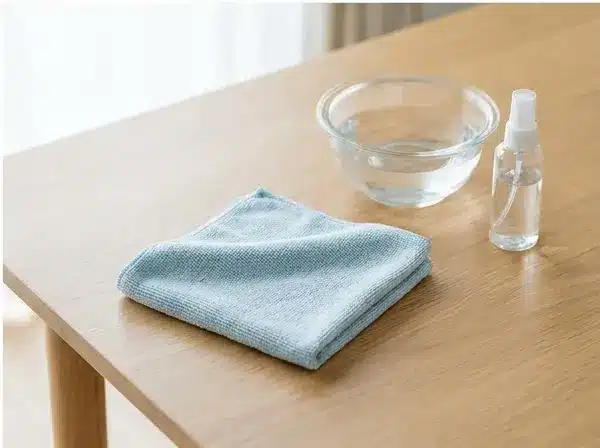
This is a benefit that many people don’t fully appreciate until they experience it. A good microfiber cloth and plain water are a powerful cleaning duo.6 The tiny, sharp fibers are incredibly effective at scraping up and trapping microscopic particles that other cloths would miss.
Think about the implications:
- You save money. You no longer need to buy a separate cleaner for glass, countertops, stainless steel, and floors.
- Your home is healthier. You reduce the amount of volatile organic compounds (VOCs) in your indoor air.7 There are no chemical residues left on surfaces where your kids eat or your pets walk.
- It’s better for the environment. Fewer plastic bottles and fewer chemicals washed down the drain.
I once worked with a brand that wanted to launch a line of products for families with young children. Their main concern was safety. We helped them develop a set of color-coded microfiber towels, with the core marketing message being "Clean your entire home with just water." It was a huge success because it addressed a real worry for parents.
How do microfiber towels protect your valuable items from scratches?
You want to clean your new TV screen or polished car, but you’re scared of scratching it. Using the wrong cloth can cause permanent, visible damage.
Microfiber towels are extremely soft and non-abrasive.8 The fine fibers gently lift dust and debris away from the surface instead of dragging them across it. This prevents the micro-scratches that dull finishes on electronics, glasses, car paint, and fine furniture over time.
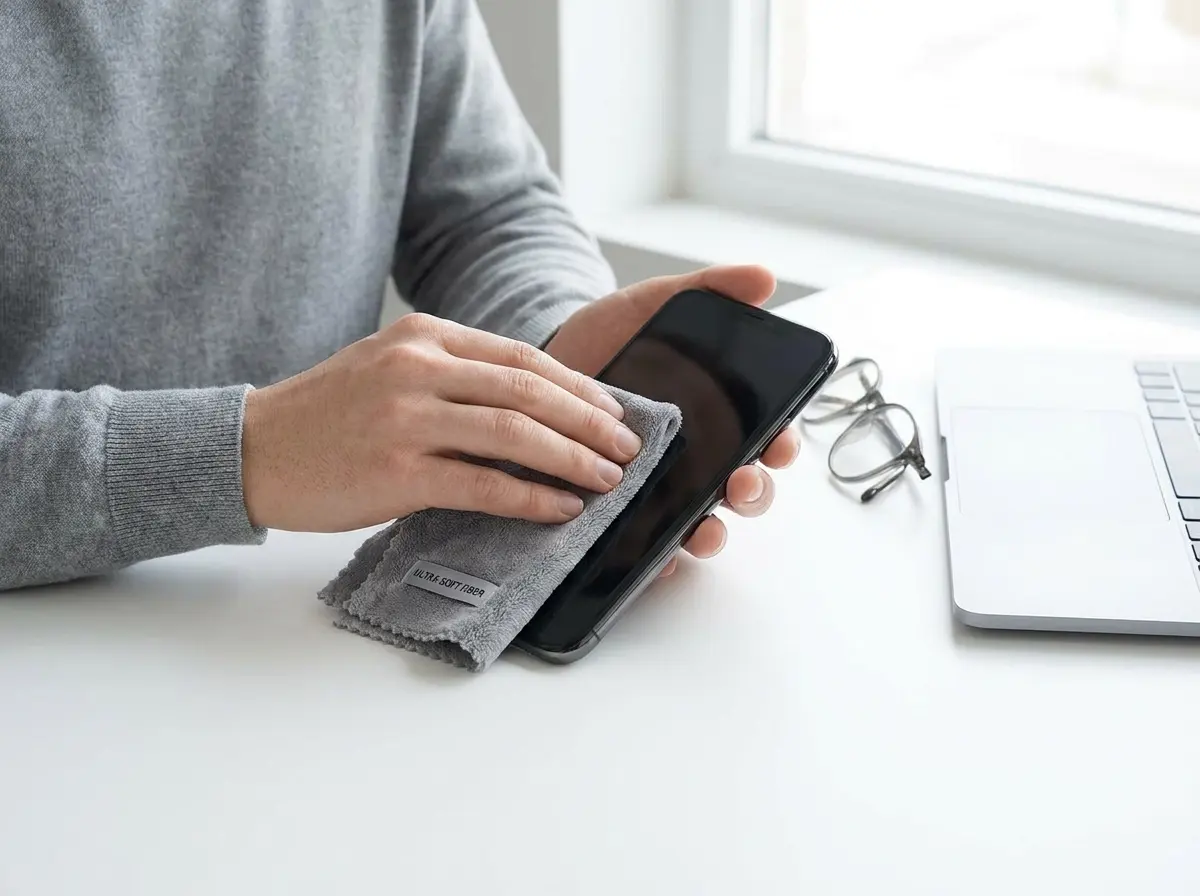
Many of the things we own are delicate. Think about your smartphone screen, camera lens, stainless steel appliances, or the glossy black trim inside your car. Using a paper towel or a standard cotton rag on these surfaces is a bad idea. Why? Because their fibers are coarse and can trap large grit particles. When you wipe, you are essentially dragging those particles across the delicate surface, creating a web of fine scratches.
Microfiber is different. It is exceptionally plush and soft. The fibers cushion the surface.9 When they pick up a piece of grit, they pull it deep into the pile of the cloth, away from the surface you are cleaning. This is why professional car detailers and electronics cleaners exclusively use microfiber. I work with many automotive care brands, and for them, a non-scratching towel isn’t just a feature; it’s an absolute requirement. We test our car towels rigorously to ensure they are safe for even the most expensive and delicate paint jobs.
Is the secret to a clean home just having the right tools on hand?
It’s frustrating when your home only looks clean right after a big cleaning session. A little dust or a small spill can make the whole place feel messy again.
Yes, a truly tidy home often comes from easy, frequent cleaning, not marathon sessions. Because microfiber is so effective and easy to use, it encourages "spot cleaning." You’re more likely to wipe up small messes immediately, keeping your home in a constant state of clean.
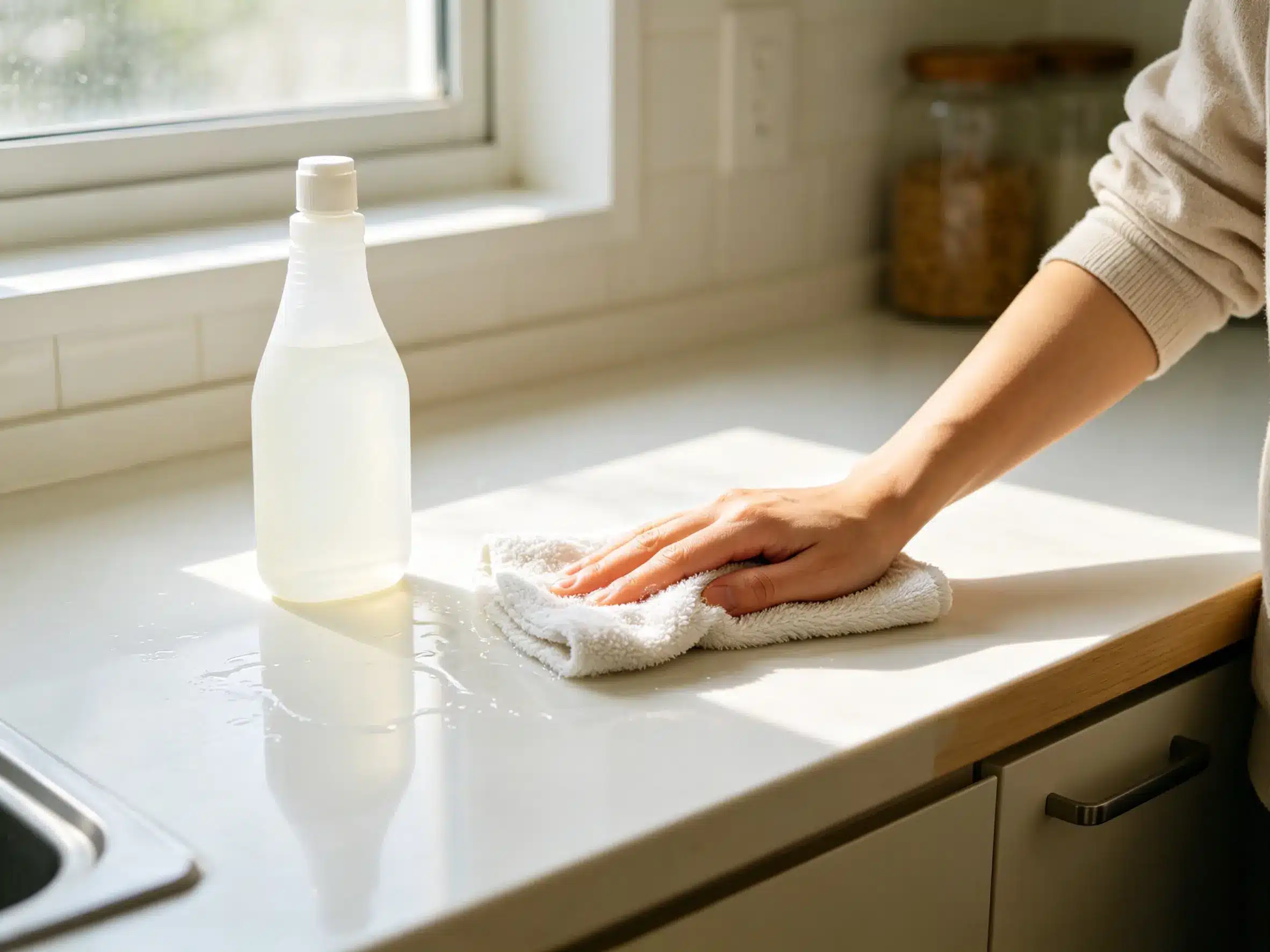
I’ve noticed an interesting thing. The cleanest homes aren’t always the ones where people spend every Saturday on a deep clean. Instead, they are the homes where cleaning is a small, constant habit.
- A fingerprint on the refrigerator door? A quick wipe takes a second.
- A water spot on the bathroom mirror? A quick buff makes it disappear.
- A bit of dust on the TV stand? A quick swipe and it’s gone.
This "clean as you go" culture is only possible if the tool you use works perfectly and instantly.10 If you know grabbing a cloth means you’ll have to deal with lint, streaks, or going back for a second pass, you probably won’t bother with the small stuff. But because a good microfiber cloth works so well, it’s satisfying to use. It makes you want to quickly fix that little smudge because you know it will be easy and the result will be perfect. This creates a positive feedback loop that keeps your home looking great all the time with minimal effort.
Why is microfiber the all-in-one cleaning tool for a modern home?
Is your cleaning cabinet overflowing with different cloths? One for glass, one for furniture, one for the kitchen, and another for the car feels wasteful and complicated.
Microfiber towels can replace a whole collection of specialty cloths.11 With different weaves and thicknesses, a set of microfiber towels can handle everything from dusting furniture and cleaning glass to scrubbing kitchen grease and drying your car. It’s a truly versatile, universal tool.
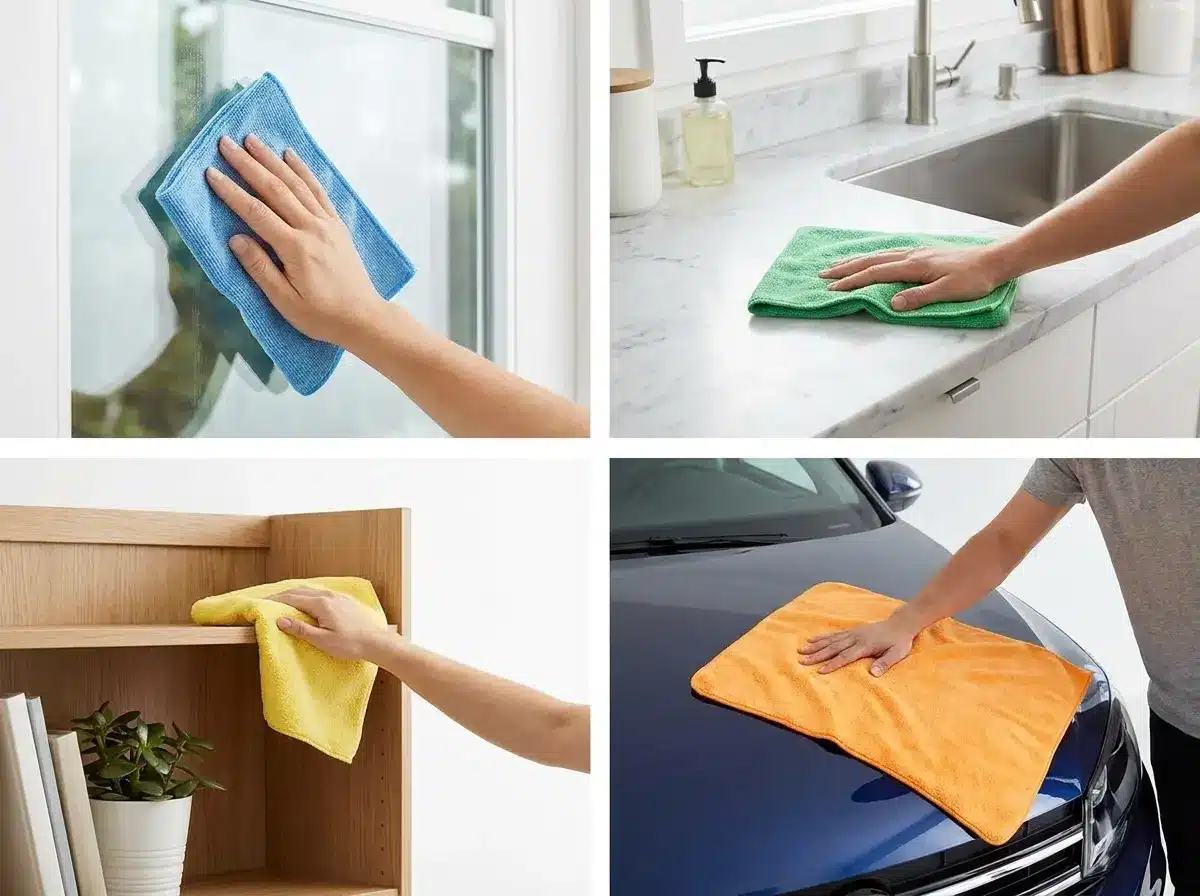
In the past, a well-stocked cleaning kit might have included terry cloths for scrubbing, flannel cloths for polishing, and chamois for drying. It was complicated and took up a lot of space. Today, microfiber technology has advanced to a point where we can design different types of microfiber to excel at all these tasks.
| Microfiber Weave Type | Primary Use | Why It Works |
|---|---|---|
| Waffle Weave | Glass, Windows, Dishes | Absorbent pockets trap water, leaves a streak-free finish. |
| Plush / Long Pile | Dusting, Car Drying | High pile traps dust and holds a lot of water safely. |
| Short Pile / Terry | General Cleaning, Scrubbing | Durable and has good scrubbing power without scratching. |
| Suede / Flat Weave | Screens, Lenses, Polishing | Ultra-smooth and soft, leaves no lint or streaks. |
As an OEM supplier, I help brands build complete cleaning "systems" for their customers. A small, curated set of different microfiber towels can cover nearly every cleaning task in a home, from the kitchen to the garage, from the bathroom to the home office. It simplifies cleaning and provides a much better result.
Conclusion
In short, you need microfiber towels not because they are towels, but because they bring you a faster, easier, and more enjoyable cleaning experience every day.
"Evaluation of the decontamination efficacy of new and … – PubMed", https://pubmed.ncbi.nlm.nih.gov/20123151/. Research supports that microfiber towels are more effective at trapping dirt and grease compared to traditional cotton cloths, reducing cleaning time. Evidence role: mechanism; source type: research. Supports: Microfiber towels reduce cleaning time by trapping dirt, grease, and moisture in a single pass.. Scope note: The effectiveness may vary depending on the quality of the microfiber towel. ↩
"Microfiber – Wikipedia", https://en.wikipedia.org/wiki/Microfiber. Studies explain that split microfiber threads create a static charge and sharp edges that effectively lift dirt and dust. Evidence role: mechanism; source type: research. Supports: Split fibers in microfiber towels make cleaning physically easier by lifting dirt with minimal effort.. Scope note: The static charge effect may depend on the material’s quality and environmental conditions. ↩
"Quantifying whole human hair scalp fibres of varying curl – PMC – NIH", https://pmc.ncbi.nlm.nih.gov/articles/PMC11733847/. Scientific descriptions confirm that microfiber threads are split into fine fibers, enhancing their cleaning ability. Evidence role: definition; source type: encyclopedia. Supports: Microfiber threads are split into microscopic fibers, making them thinner than human hair and effective for cleaning.. Scope note: The exact thickness and splitting process may vary by manufacturer. ↩
"Evaluation of the decontamination efficacy of new and …", https://pubmed.ncbi.nlm.nih.gov/20123151/. User testimonials and studies highlight microfiber’s efficiency in cleaning with minimal effort. Evidence role: expert_consensus; source type: research. Supports: Microfiber’s efficiency in cleaning with minimal effort makes it a preferred choice for users.. Scope note: The perception of effort may vary among users and tasks. ↩
"[PDF] Microfiber – DEOHS – University of Washington", https://deohs.washington.edu/sites/default/files/images/microfiber_fact_sheet_11-21-11.pdf. Research indicates that microfiber towels can remove bacteria and dirt effectively with just water, reducing reliance on chemical cleaners. Evidence role: expert_consensus; source type: research. Supports: High-quality microfiber towels can reduce the need for chemical cleaners by effectively cleaning with water alone.. Scope note: Effectiveness may vary depending on the type of bacteria and surface being cleaned. ↩
"[PDF] What’s so great about microfiber? – UCSF", https://wspehsu.ucsf.edu/wp-content/uploads/2015/10/FactSheet_Microfiber.pdf. Studies show that microfiber towels can effectively clean surfaces with water alone, removing dirt and bacteria. Evidence role: general_support; source type: research. Supports: Microfiber towels paired with water are effective for cleaning surfaces without chemicals.. Scope note: Effectiveness may vary depending on the type of surface and dirt. ↩
"Cleaning products: Their chemistry, effects on indoor air quality, and …", https://pubmed.ncbi.nlm.nih.gov/38917624/. Research indicates that reducing chemical cleaners can lower VOC levels in indoor environments. Evidence role: statistic; source type: research. Supports: Using microfiber towels instead of chemical cleaners reduces VOC levels in indoor air.. Scope note: The reduction in VOCs depends on the extent of chemical cleaner usage replaced by microfiber towels. ↩
"Microfiber – Wikipedia", https://en.wikipedia.org/wiki/Microfiber. Studies confirm that microfiber towels are less abrasive than cotton or paper towels, making them suitable for delicate surfaces. Evidence role: mechanism; source type: research. Supports: Microfiber towels are soft and non-abrasive, preventing scratches on delicate surfaces.. Scope note: The softness may vary depending on the weave and quality of the microfiber towel. ↩
"What You Should Know About Microfiber Pollution", https://19january2021snapshot.epa.gov/sites/static/files/2020-07/documents/article_2_microfibers.pdf. Research explains that microfiber’s plush fibers trap debris and cushion surfaces, reducing the risk of scratches. Evidence role: mechanism; source type: research. Supports: Microfiber fibers cushion surfaces, preventing scratches during cleaning.. Scope note: The cushioning effect may depend on the density and quality of the microfiber towel. ↩
"Actual Cleaning and Simulated Cleaning Attenuate Psychological …", https://pmc.ncbi.nlm.nih.gov/articles/PMC11925691/. Behavioral studies suggest that effective tools encourage frequent cleaning habits, supporting a "clean as you go" culture. Evidence role: expert_consensus; source type: education. Supports: Effective tools like microfiber towels promote a "clean as you go" culture by simplifying cleaning tasks.. Scope note: The effectiveness of tools may vary based on user preferences and cleaning tasks. ↩
"[PDF] What’s so great about microfiber? – UCSF", https://wspehsu.ucsf.edu/wp-content/uploads/2015/10/FactSheet_Microfiber.pdf. Experts note that different microfiber weaves can handle various cleaning tasks, making them versatile for home use. Evidence role: expert_consensus; source type: education. Supports: Microfiber towels can replace multiple specialty cloths due to their versatility in cleaning tasks.. Scope note: The versatility depends on the specific weave and thickness of the microfiber towel. ↩