
Tired of cloths that just smear dirt around? It’s frustrating when you wipe a surface, and it still looks smudged and dirty. Microfiber lifts and traps grime for a perfect clean.
Microfiber is excellent for cleaning because its fibers are incredibly fine, much thinner than a human hair.1 Millions of these fibers create a massive surface area that attracts and locks away dust, dirt, and grease, instead of just pushing them around like cotton cloths do.
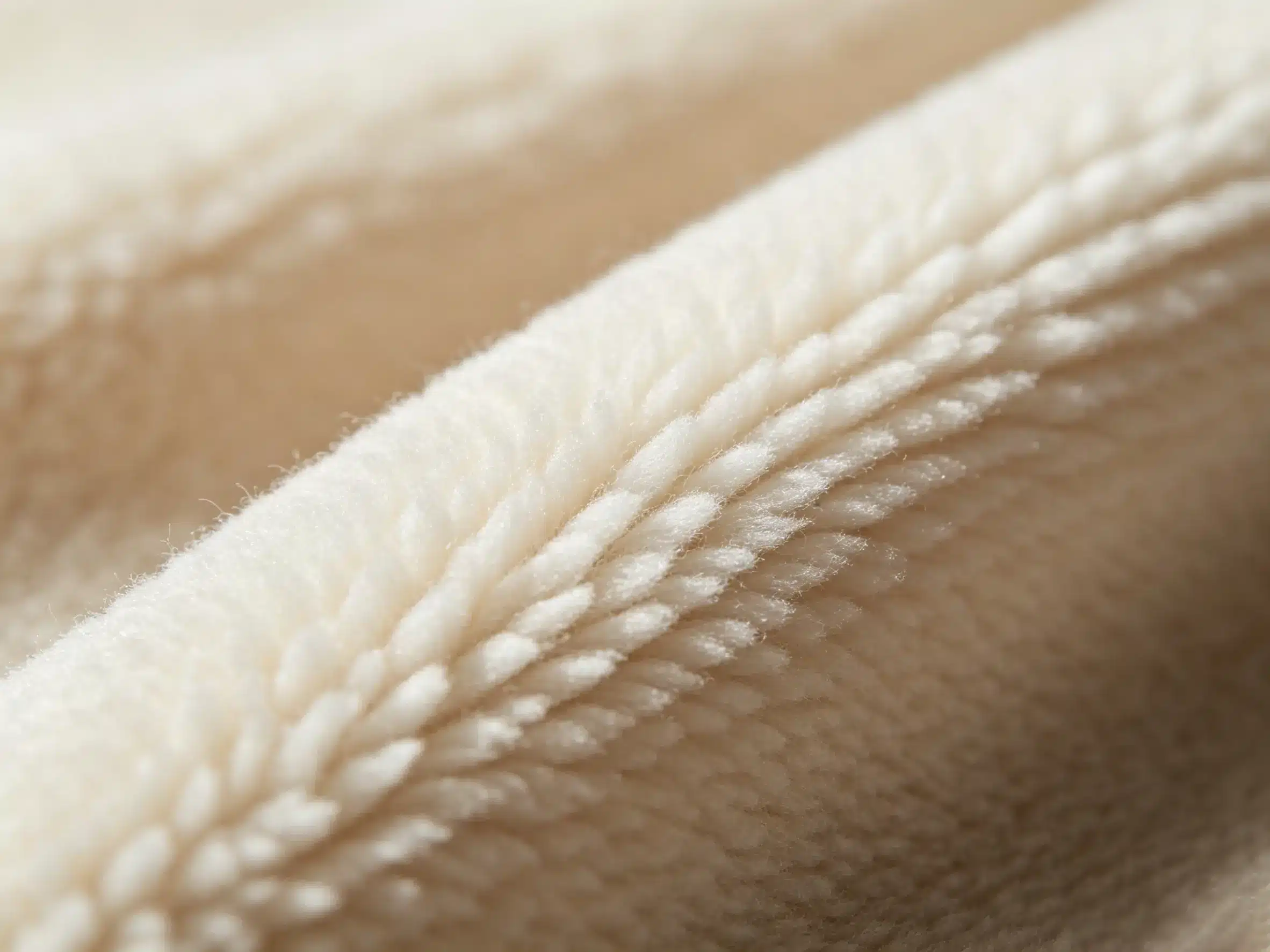
This unique structure is the key. As a manufacturer with years of experience, I’ve seen firsthand what makes it work so well. But how does this technology translate into a better clean for your home or car? Let’s explore the specific advantages that make microfiber a must-have cleaning tool. You’ll see why it’s not just another cloth.
How does microfiber trap dirt so effectively?
Do you feel like your cleaning cloths just move messes from one spot to another? It’s a common problem that leaves surfaces looking unclean. Microfiber’s design solves this by actively grabbing onto dirt.
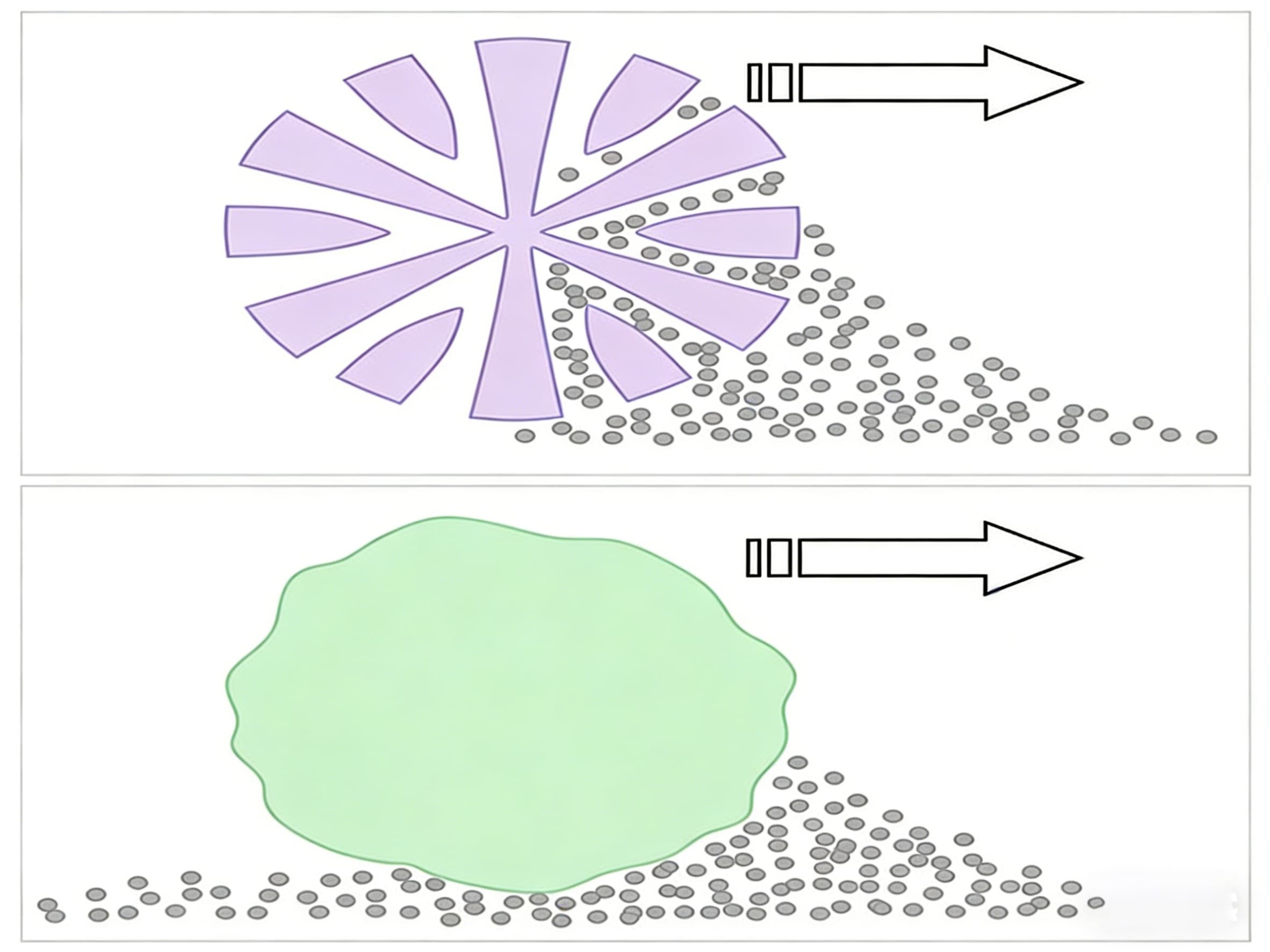
Microfiber traps dirt so well due to its split fibers, which are thousands of tiny strands packed together.2 These strands create a net-like surface that scrapes up and holds onto particles, dust, and even bacteria, preventing them from being left behind on the surface.
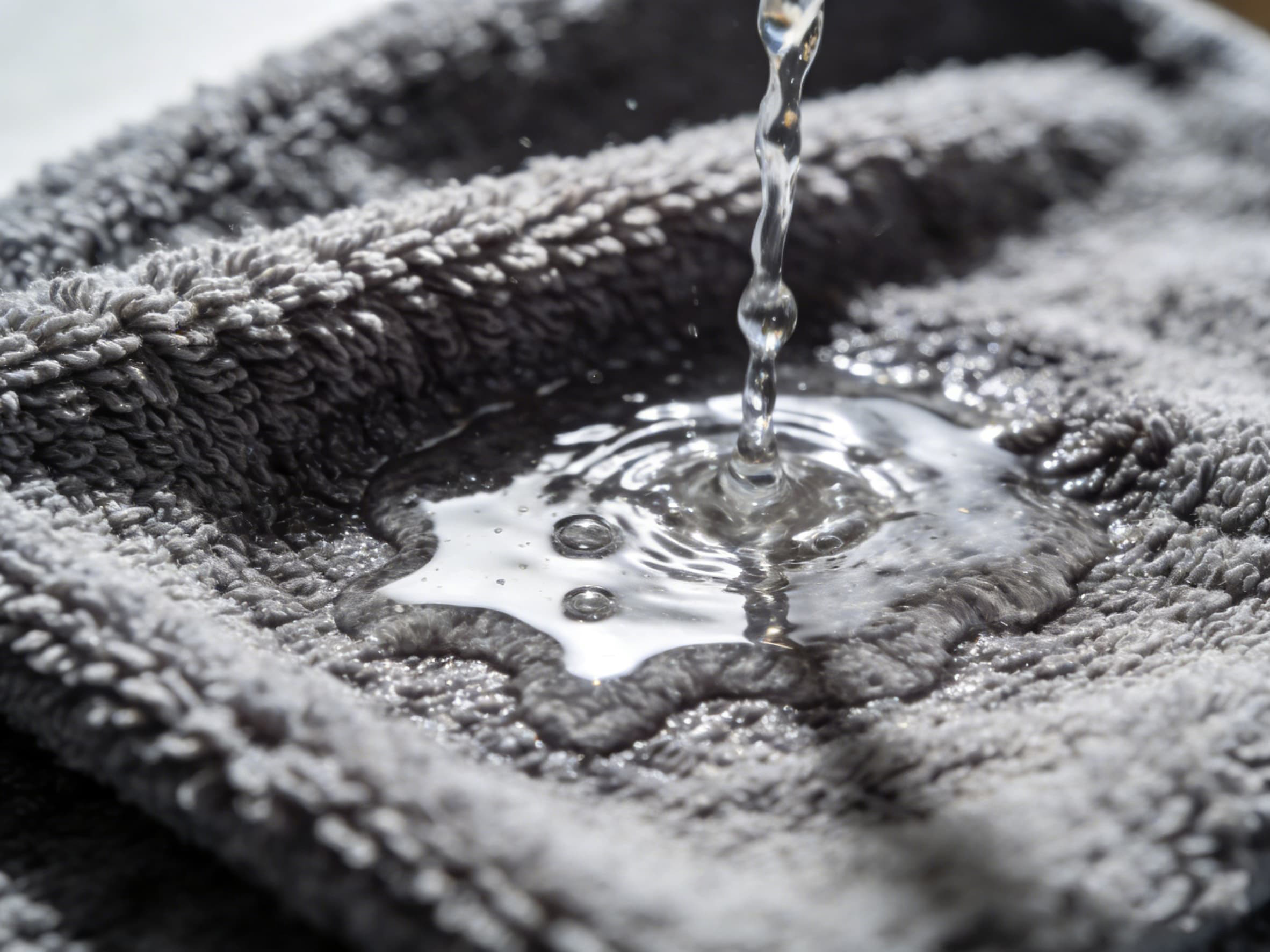
From my factory floor, I can tell you the real magic is in the ‘splitting’ process. We take synthetic fibers, usually polyester and polyamide, and split them into ultra-fine, star-shaped strands. These strands have sharp edges that physically scrape grime and oil off a surface. A regular cotton fiber is round and smooth, so it tends to just push particles around. Microfiber, on the other hand, has millions of these tiny, sharp edges working together.
At the same time, the fibers generate a natural static charge when you wipe a dry surface. This positive charge acts like a magnet for negatively charged dust particles, pulling them right into the cloth. It’s a combination of physical scraping and static attraction.
Here is a simple breakdown:
| Feature | Microfiber Cloth | Cotton Cloth |
|---|---|---|
| Fiber Shape | Split, star-shaped, sharp edges | Round, smooth |
| Action | Scrapes and lifts dirt | Pushes dirt around |
| Dust Removal | Uses static charge to attract dust | Little to no static attraction |
| Result | Traps and holds dirt inside | Leaves dirt and residue behind |
This is why after wiping with microfiber, the surface feels truly clean, not just rearranged.
Can you really clean with just water?
Are you worried about using harsh chemicals around your family and pets? You want a clean home, but not at the cost of safety. Microfiber offers a powerful, chemical-free cleaning solution.
Yes, you can clean most surfaces effectively with just water and a microfiber cloth.3 The split fibers are sharp enough to scrape away grease and grime, and capillary action pulls the dirty water into the cloth, leaving the surface clean without needing chemical sprays.
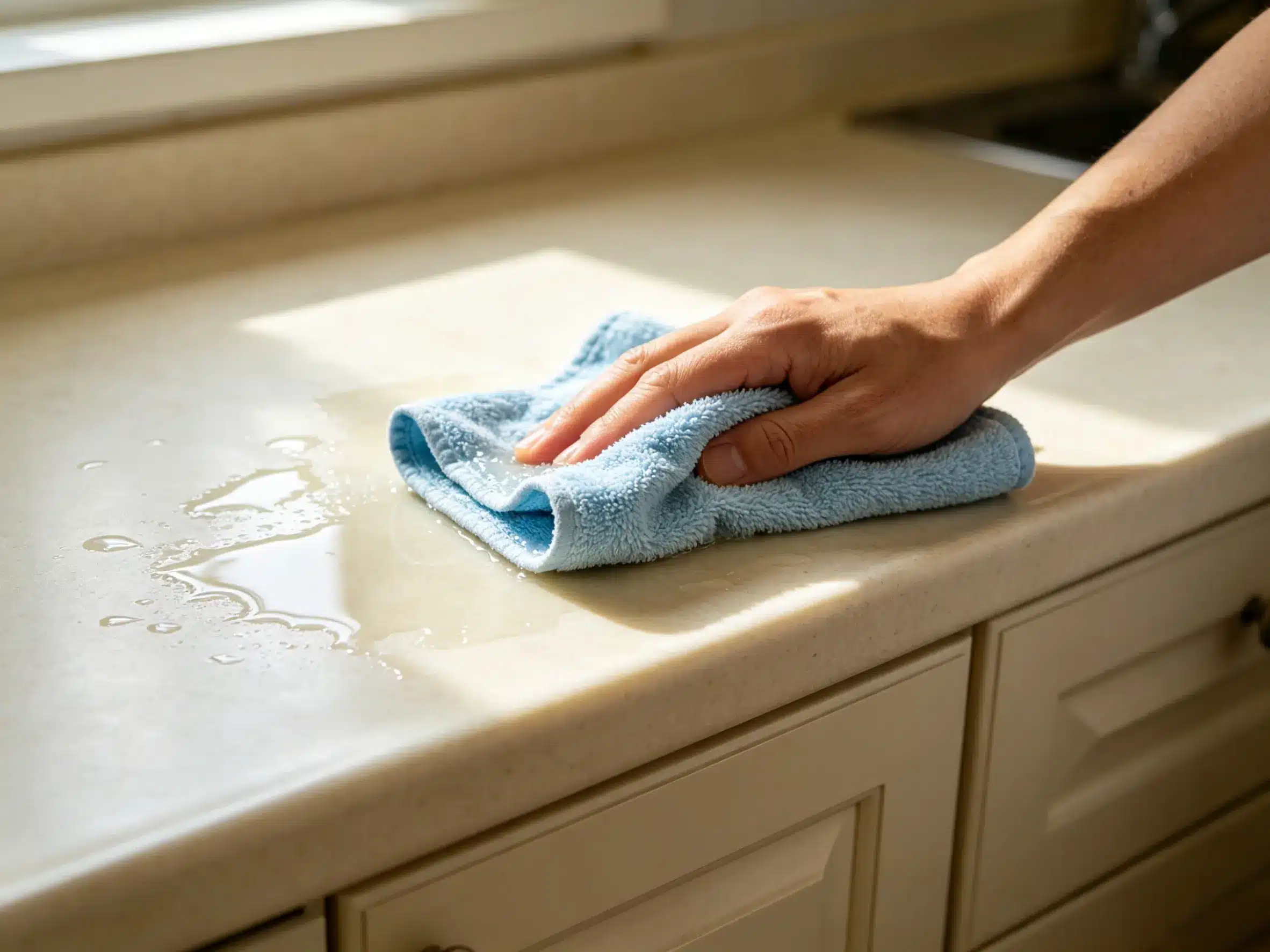
I get this question a lot from clients, especially those developing products for households with children or pets. The answer lies in the science of the fibers. The space between the millions of fine fibers creates an effect called capillary action.4 Think of it like millions of tiny straws sucking up liquid. When you dampen a microfiber cloth, these "straws" pull in the water along with any dirt, grease, or grime it loosens.
The sharp edges of the split fibers do the heavy lifting. They break down and scrape off messes like fingerprints, food spills, and even grease on a stovetop. The water then helps to lift this loosened debris, and the capillary action instantly pulls it deep into the cloth’s structure. This is very different from a cotton cloth, which gets soggy and leaves a film of dirty water behind. With microfiber, you’re truly removing the mess, not just diluting it. For over 90% of daily cleaning tasks, water is all you need.
What’s the secret to a streak-free shine?
Are you tired of cleaning windows or mirrors only to be left with ugly streaks and lint? It makes the surface look even worse. The right microfiber cloth leaves nothing behind but a clear shine.
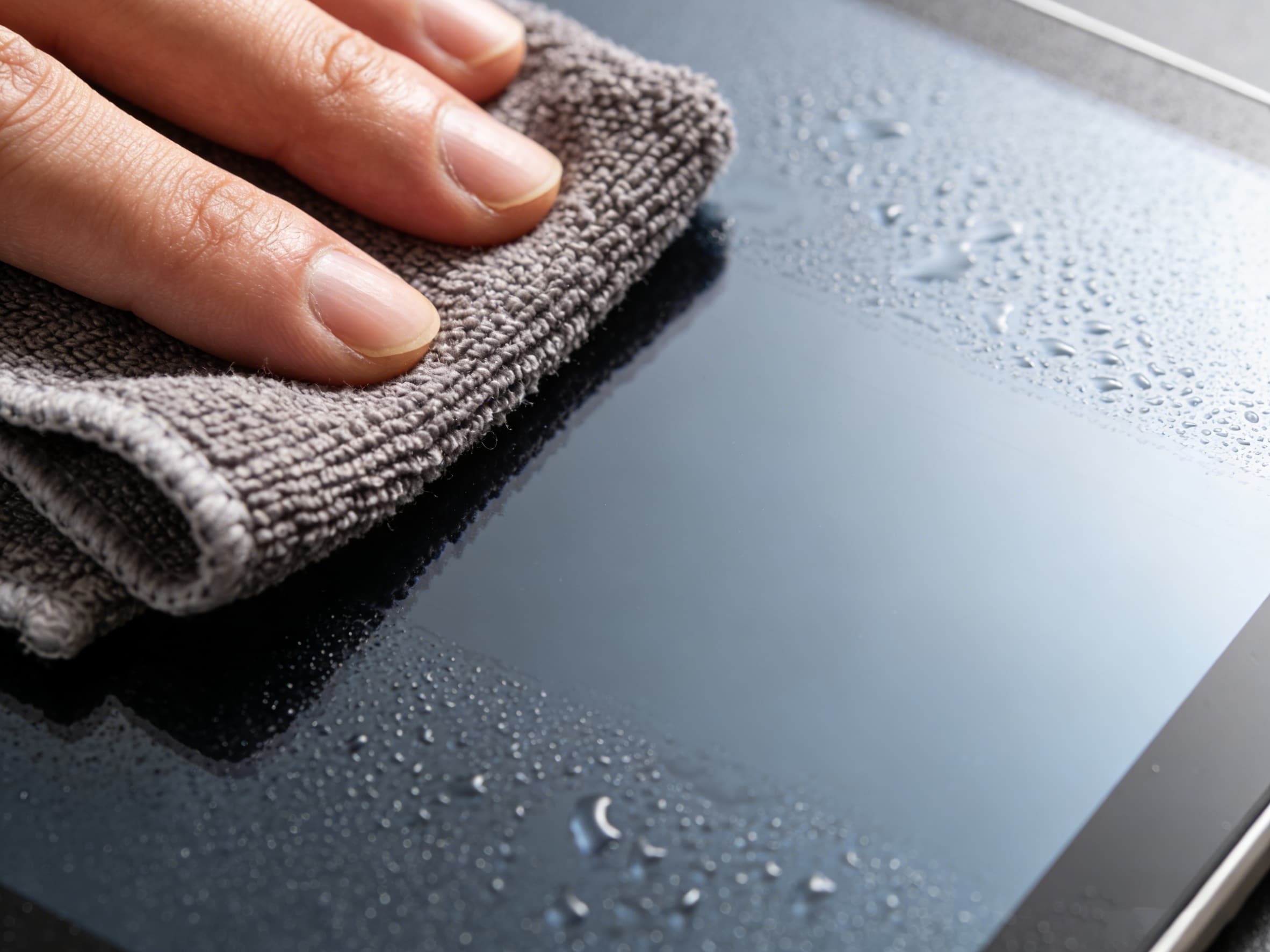
The secret to a streak-free shine is microfiber’s ability to absorb water evenly and trap tiny dirt particles inside its fibers.5 It doesn’t leave excess water or lint on the surface, which are the main causes of streaks and smudges on glass and steel.
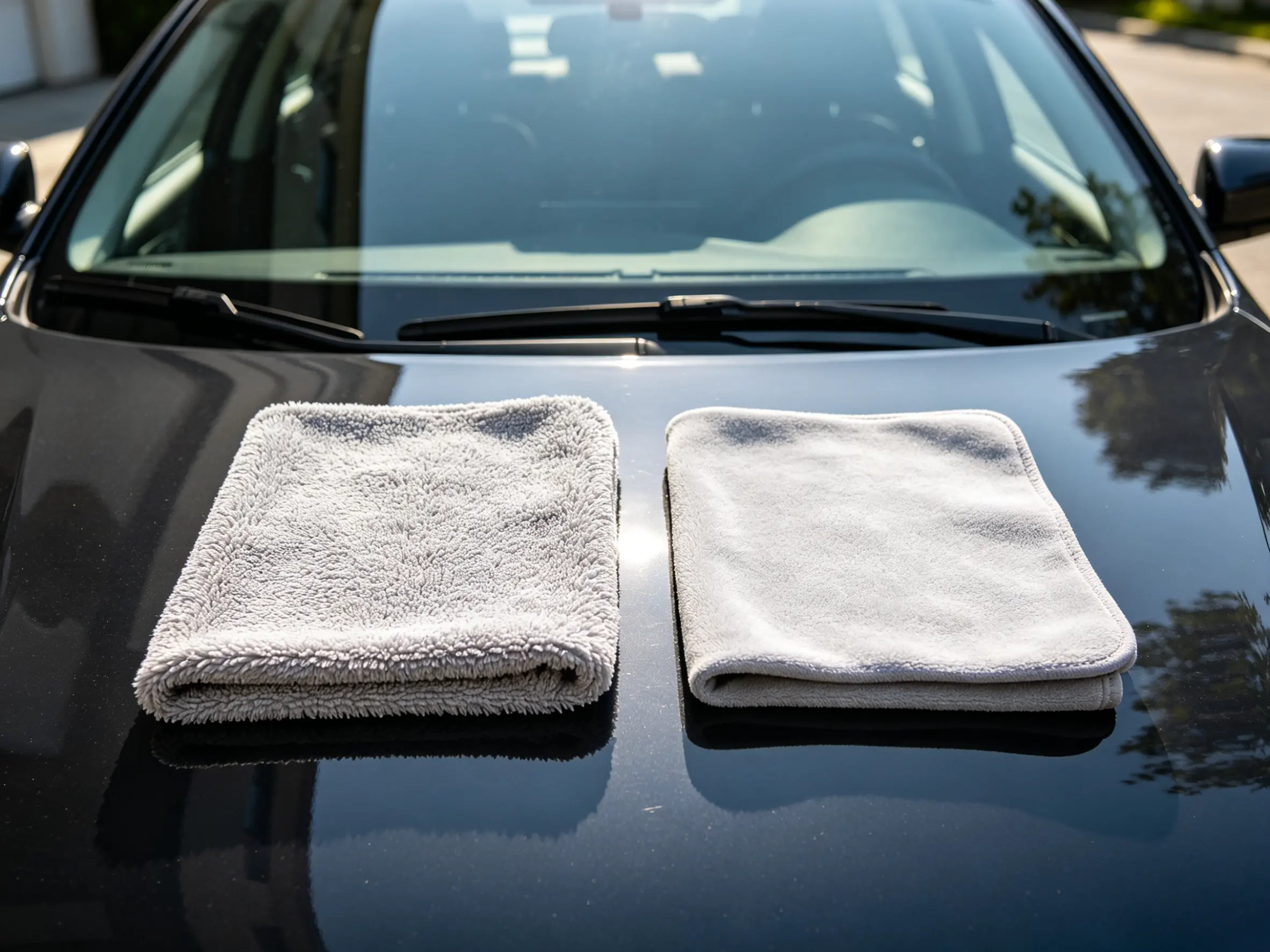
As a supplier to many automotive and professional cleaning brands, a streak-free finish is non-negotiable. The reason microfiber excels here is twofold. First, it’s incredibly absorbent, but it absorbs evenly. A cotton cloth or paper towel often leaves behind tiny droplets of water. When these droplets dry, they leave behind any minerals or dirt that was in them, which is what we see as spots or streaks.
Second, microfiber holds onto the dirt it picks up. The particles get locked deep within the fibers instead of being dragged across the surface as you wipe. To get a perfect finish on surfaces like glass, mirrors, or stainless steel, I always recommend the two-towel method to my clients:
- The Cleaning Towel: Use one damp microfiber cloth to wipe down the surface. This cloth’s job is to break up the dirt and absorb the bulk of the mess.
- The Polishing Towel: Immediately follow up with a second, completely dry microfiber cloth. This cloth instantly soaks up any remaining moisture before it can evaporate and leave a streak.
This simple technique, used by professional detailers, guarantees a flawless, lint-free shine every time.
Why are microfiber towels so absorbent?
Do you find yourself constantly wringing out your cleaning cloth? It slows you down and makes a messy puddle on the floor. A good microfiber towel holds an incredible amount of liquid.
Microfiber towels are extremely absorbent because of their vast surface area.6 The millions of tiny fibers create a dense structure that can hold many times its own weight in water. This is due to capillary action, which pulls liquid into the tiny spaces between the fibers.
The absorbency of a microfiber towel is one of its most impressive features. In our factory, we often demonstrate this by showing how a small towel can soak up a whole glass of water. The science behind this is all about surface area. A single microfiber towel is made of millions of individual fibers. If you were to lay out all of these fibers from just one towel, their total surface area would be massive.
More surface area means more places for water molecules to cling to. It’s not like a sponge that just fills up a big empty space. Instead, the water is actively pulled into the countless tiny gaps between the fibers through capillary action. The liquid rushes in to fill these spaces, allowing the towel to hold up to seven or eight times its own weight in liquid.
In manufacturing, we measure a fabric’s density in Grams per Square Meter (GSM). A towel with a higher GSM has more fibers packed into the same area, making it thicker, plusher, and more absorbent.7 This is why our premium car drying towels have a high GSM—they are designed to soak up a lot of water very quickly.
Why do professionals prefer microfiber for cleaning?
Professional cleaners and car detailers need results, and they need them fast. They can’t waste time with tools that don’t work. Their top choice is almost always microfiber for very practical reasons.
Professionals prefer microfiber because it increases efficiency.8 It cleans faster and more thoroughly, reducing the need for re-wiping or using harsh chemicals. Its ability to get into tiny surface imperfections means a deeper clean in less time, which saves labor costs.
For our commercial clients, time is money. Microfiber helps them save both. The key advantage is its ability to clean on a microscopic level. Most surfaces, even ones that look smooth like a countertop or a car’s paint, have tiny pores and textures.9 A regular cloth just glides over the top of these imperfections, leaving dirt trapped inside. Microfiber’s ultra-fine fibers can actually reach down into these pores to pull out the hidden grime. This means the surface is cleaned correctly the first time, eliminating the need to go back and re-wipe areas.
This efficiency has a direct impact on the bottom line. Faster cleaning means lower labor costs.10 Furthermore, since microfiber cleans so well with just water, our clients save a significant amount of money on chemical cleaning solutions. The durability of our products is also a major factor.11 We manufacture our cloths to withstand hundreds of industrial washing cycles without losing their effectiveness. This makes them a far more cost-effective investment over time compared to disposable paper towels or less durable cotton rags. It’s a simple tool that boosts productivity, improves results, and lowers operational costs.
Conclusion
In short, microfiber cleans better by trapping dirt, working with just water, and leaving a streak-free finish. Its super absorbency and efficiency make it the top choice for everyone.
"Microfiber – Wikipedia", https://en.wikipedia.org/wiki/Microfiber. This source explains the microscopic structure of microfiber and compares its fineness to human hair, supporting the claim about its cleaning efficiency. Evidence role: definition; source type: education. Supports: Microfiber fibers are much thinner than human hair, contributing to their cleaning efficiency.. ↩
"[PDF] What’s so great about microfiber? – UCSF", https://wspehsu.ucsf.edu/wp-content/uploads/2015/10/FactSheet_Microfiber.pdf. This source describes the split fiber structure of microfiber and its role in trapping dirt, supporting the claim about its cleaning mechanism. Evidence role: mechanism; source type: research. Supports: Microfiber’s split fibers are designed to trap dirt effectively.. ↩
"[PDF] What’s so great about microfiber? – UCSF", https://wspehsu.ucsf.edu/wp-content/uploads/2015/10/FactSheet_Microfiber.pdf. This source discusses the cleaning efficiency of microfiber with water alone, supporting the claim about its chemical-free cleaning capability. Evidence role: general_support; source type: institution. Supports: Microfiber can clean effectively with just water, reducing the need for chemical cleaners.. Scope note: Effectiveness may vary depending on the type of surface and level of dirt. ↩
"Capillary action – Wikipedia", https://en.wikipedia.org/wiki/Capillary_action. This source explains the role of capillary action in microfiber’s ability to absorb liquids, supporting the claim about its cleaning mechanism. Evidence role: mechanism; source type: education. Supports: Capillary action in microfiber fibers contributes to its ability to absorb liquids effectively.. Scope note: Capillary action may not account for all types of liquid absorption. ↩
"Microfiber – Wikipedia", https://en.wikipedia.org/wiki/Microfiber. This source explains how microfiber’s even water absorption and dirt trapping capabilities contribute to streak-free cleaning. Evidence role: mechanism; source type: research. Supports: Microfiber’s even water absorption and dirt trapping capabilities result in streak-free cleaning.. Scope note: The streak-free effect may depend on the quality of the microfiber cloth used. ↩
"Microfiber – Wikipedia", https://en.wikipedia.org/wiki/Microfiber. This source discusses the relationship between microfiber’s surface area and its absorbency, supporting the claim about its liquid-holding capacity. Evidence role: mechanism; source type: research. Supports: Microfiber’s vast surface area contributes to its high absorbency.. Scope note: Absorbency may vary depending on the GSM of the microfiber towel. ↩
"Amazon.com: SMINDER 2-Pack 1200 GSM Car Drying Towels …", https://www.amazon.com/SMINDER-2-Pack-1200-Drying-Towels/dp/B0DPZTLVHL. This source explains the concept of GSM and its impact on microfiber towel thickness and absorbency, supporting the claim about its cleaning properties. Evidence role: definition; source type: education. Supports: Higher GSM in microfiber towels results in greater thickness, plushness, and absorbency.. Scope note: The relationship between GSM and absorbency may vary across different microfiber brands. ↩
"[PDF] What’s so great about microfiber? – UCSF", https://wspehsu.ucsf.edu/wp-content/uploads/2015/10/FactSheet_Microfiber.pdf. This source explains why professionals choose microfiber for cleaning due to its efficiency and cost-effectiveness. Evidence role: expert_consensus; source type: institution. Supports: Professionals prefer microfiber for its efficiency and cost-effectiveness in cleaning tasks.. Scope note: Preference may vary depending on specific cleaning tasks and industries. ↩
"Cleaning, Care, and Maintenance of Microscopes", https://micro.magnet.fsu.edu/primer/anatomy/cleaning.html. This source explains the microscopic textures of surfaces and how microfiber can clean them effectively, supporting the claim about its deep-cleaning ability. Evidence role: definition; source type: education. Supports: Most surfaces have microscopic pores and textures that microfiber can clean effectively.. Scope note: The effectiveness may depend on the specific type of surface and its material. ↩
"Cleaning Benefits of Microfiber Cloth – The Home Depot", https://www.homedepot.com/c/ab/cleaning-benefits-of-microfiber-cloth/9ba683603be9fa5395fab901e70a0bdc. This source explains how microfiber’s efficiency in cleaning reduces labor costs, supporting the claim about its economic benefits. Evidence role: general_support; source type: institution. Supports: Microfiber’s cleaning efficiency reduces labor costs in professional settings.. Scope note: Labor cost savings may depend on the scale and type of cleaning tasks. ↩
"How many times can you wash a microfiber towel? LiME LiNE …", https://www.limelinepaintsupply.com/a/answers/5443091/How-many-times-can-you-wash-a-microfiber-towel?srsltid=AfmBOorsp0mJmREMaGZ-ogd4P-naas33mYdAcSyIEsQM4EMDMU2Q5dth. This source discusses the durability of microfiber products and their ability to withstand multiple washes, supporting the claim about their long-term cost-effectiveness. Evidence role: general_support; source type: research. Supports: Microfiber products are durable and can withstand multiple washes, making them cost-effective.. Scope note: Durability may vary depending on the quality of the microfiber product. ↩