
Tired of a cabinet full of cleaning tools that don’t work? Finding an effective, all-in-one solution for your home feels impossible, leaving you with clutter and frustration.
The most useful supply is a multi-pack of microfiber cleaning cloths. A curated set with different weaves and textures can handle everything from greasy kitchen counters to streak-free glass and dusty furniture, making it the only cleaning tool you truly need for a spotless home.
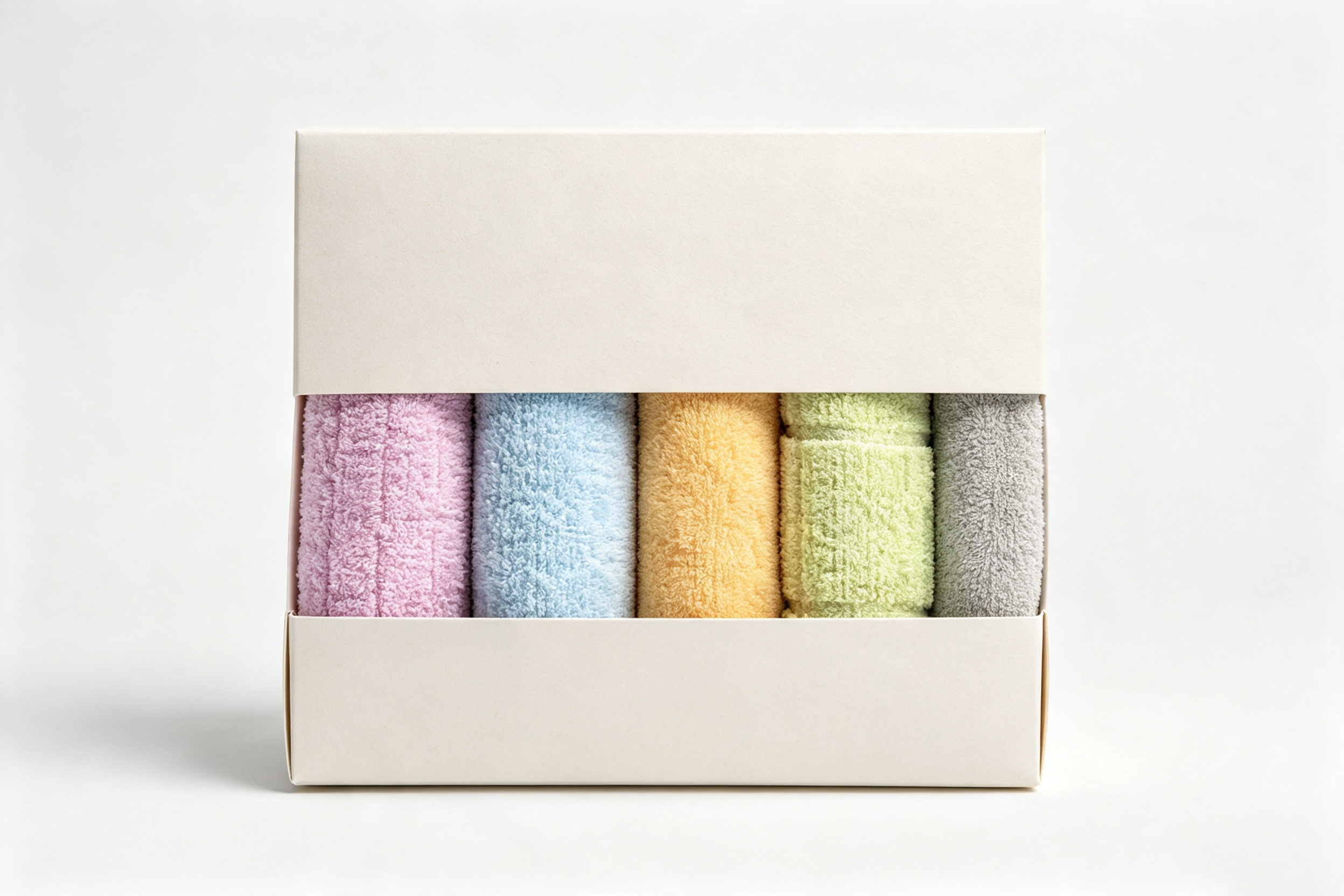
I’ve spent years in the cleaning product industry, and I’ve noticed a common problem. People buy a single type of cloth and expect it to do everything. But a modern home has so many different surfaces and types of messes. Using the same cloth everywhere is not just ineffective; it can sometimes make things worse. This is why understanding the power of a specialized set of tools is so important. Let’s explore why having the right cloth for the right job can completely change your cleaning routine and give you better results with less effort.
Why is a single cloth not enough for every cleaning task?
You grab one cloth to wipe down the kitchen counter, then use it to dust the TV screen. The result is a greasy smear on your electronics and lingering germs.
A single cloth is not enough because different surfaces and messes require different cleaning actions. A cloth designed for scrubbing grease will scratch delicate glass, and a dusty cloth will spread germs in your kitchen. Using specific cloths for different tasks prevents cross-contamination and ensures better results.1
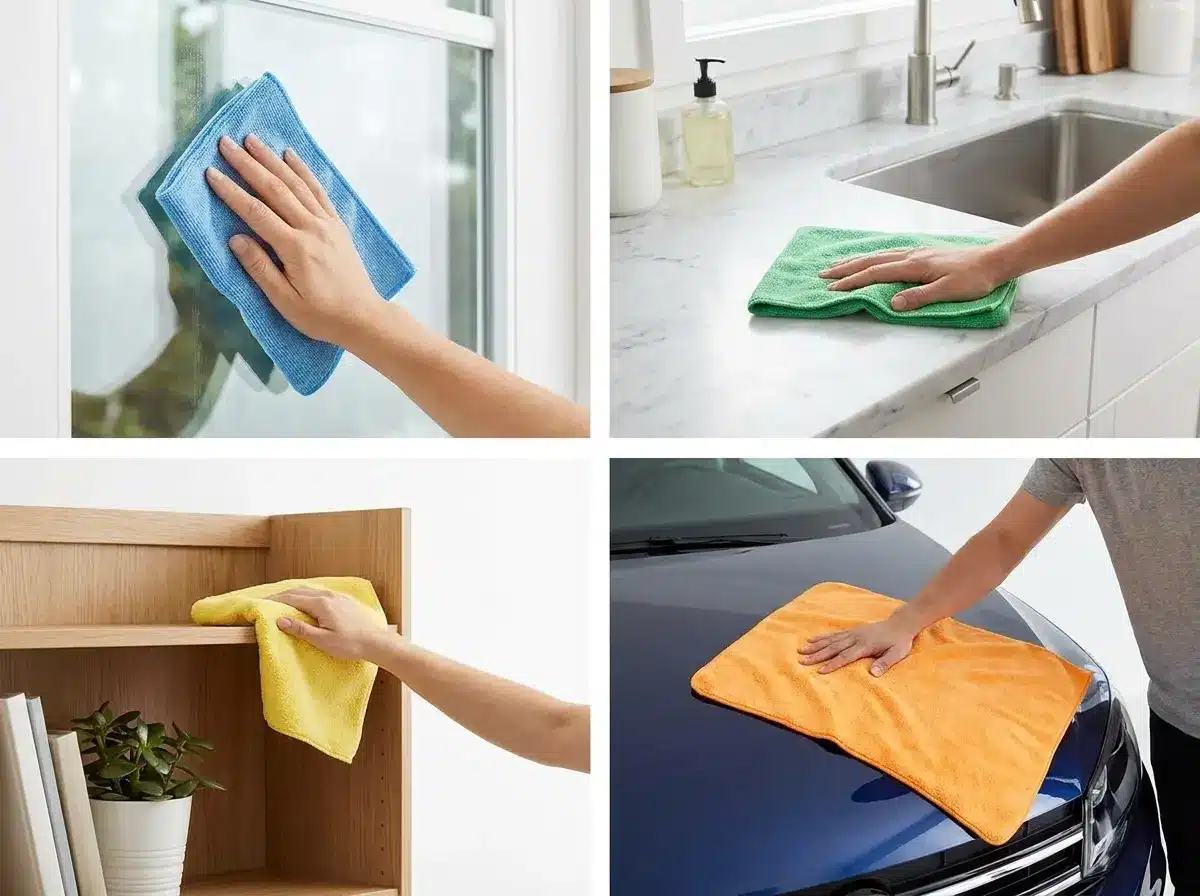
In my experience manufacturing cleaning products, I’ve seen firsthand how different material structures perform. A customer once told me they were frustrated because their "all-purpose" cloths left lint on their mirrors. The problem wasn’t the material itself, but that the cloth’s weave was designed for scrubbing, not polishing. This is why a combination pack is the smartest solution. A good set includes cloths with different textures and thicknesses. This allows you to match the tool directly to the job.
Breaking Down the Tasks
- For Absorption: You need a cloth with a thick, plush pile to soak up spills or dry dishes.
- For Polishing: A flat, tight weave is best for glass and mirrors to avoid streaks and lint.
- For Scrubbing: A cloth with a rougher texture or a dual-sided design can tackle tough, stuck-on grime without harsh chemicals.
Think of it like cooking. You wouldn’t use a steak knife to spread butter. The same logic applies to cleaning.
| Cloth Type | Primary Use | Why It Works |
|---|---|---|
| Thick Terry Weave | General cleaning, spills | High pile traps dirt and absorbs a lot of liquid. |
| Waffle Weave | Drying dishes, windows | Large surface area pockets trap water efficiently. |
| Smooth Glass Cloth | Polishing glass, chrome | Flat weave glides smoothly and leaves no lint behind. |
| High-Pile Dusting Cloth | Dusting delicate surfaces | Static charge attracts and holds onto dust particles. |
Having a designated cloth for each area of your home is not just about being organized; it’s about cleaning more effectively and hygienically.
How can different microfiber cloths tackle tough kitchen messes?
Kitchens are a battleground of grease, spills, and sticky residues. Using a standard, flimsy cloth just pushes the mess around, leaving a greasy film on your countertops and appliances.
To defeat kitchen messes, you need a specialized microfiber set. A high-GSM terry cloth cuts through grease, a waffle-weave cloth absorbs spills instantly, and a polishing cloth makes your stainless steel appliances shine. This combination makes kitchen cleaning fast and effective.
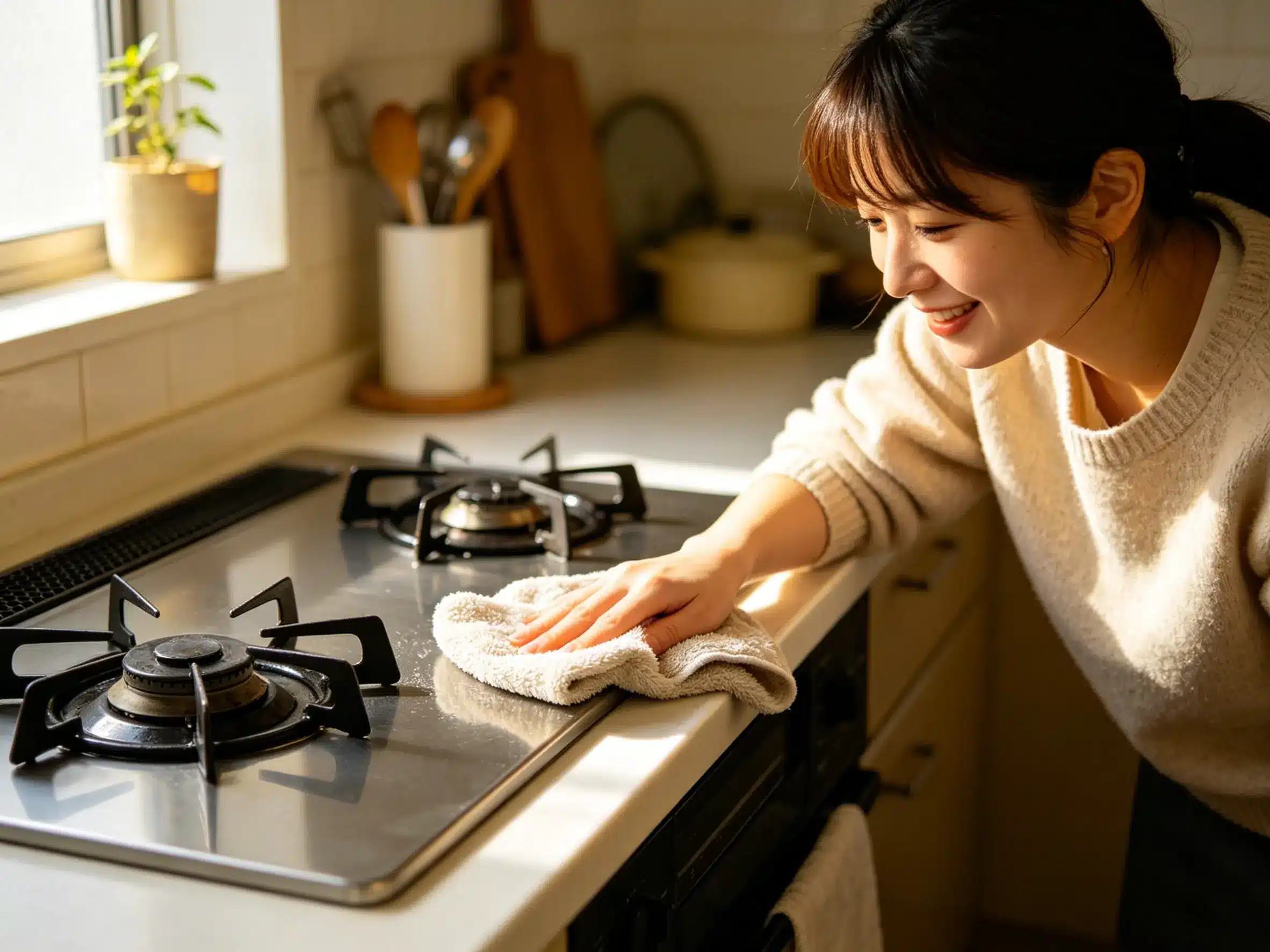
The kitchen is where microfiber truly proves its worth. I work with clients to develop product lines, and we always start with the kitchen challenge. Oil and water don’t mix, and many cloths just can’t handle both. Microfiber is different because its fibers are so fine that they can physically scrape up and trap grease particles. At the same time, the star-shaped structure of the fibers creates channels that pull in and hold large amounts of water. This dual-action power is what makes it so effective.
The Perfect Kitchen Cleaning Team
A complete kitchen set should have cloths for three main jobs: scrubbing, absorbing, and polishing.
The Scrubber for Grease: For stovetops and greasy backsplashes, a high-density (over 350 GSM) terry-style microfiber cloth is best. Its dense loops provide the friction needed to break down cooked-on food and oil without needing harsh chemicals. I always recommend this type for heavy-duty work.
The Absorber for Spills: For spills and drying dishes, a waffle-weave cloth is the champion. The recessed pockets in the weave dramatically increase the surface area, allowing it to soak up liquid much faster than a standard cloth.
The Polisher for Shine: After cleaning, you want your faucets and appliances to gleam. A smooth, low-pile microfiber cloth is perfect for this. It buffs away fingerprints and water spots on stainless steel and chrome, leaving a streak-free finish.
Pairing the right cloth with the right task makes kitchen cleanup less of a chore and more of a simple, satisfying process.
What makes microfiber ideal for streak-free glass and shiny surfaces?
You clean your windows and mirrors, but when the light hits them just right, you see a mess of streaks and lint. It’s frustrating and makes your home look unclean.
Microfiber is ideal for glass because it has ultra-fine fibers that clean without leaving lint behind. A specific glass-cleaning cloth with a tight, flat weave removes grime and absorbs moisture completely, which is the key to preventing the streaks that other materials cause.
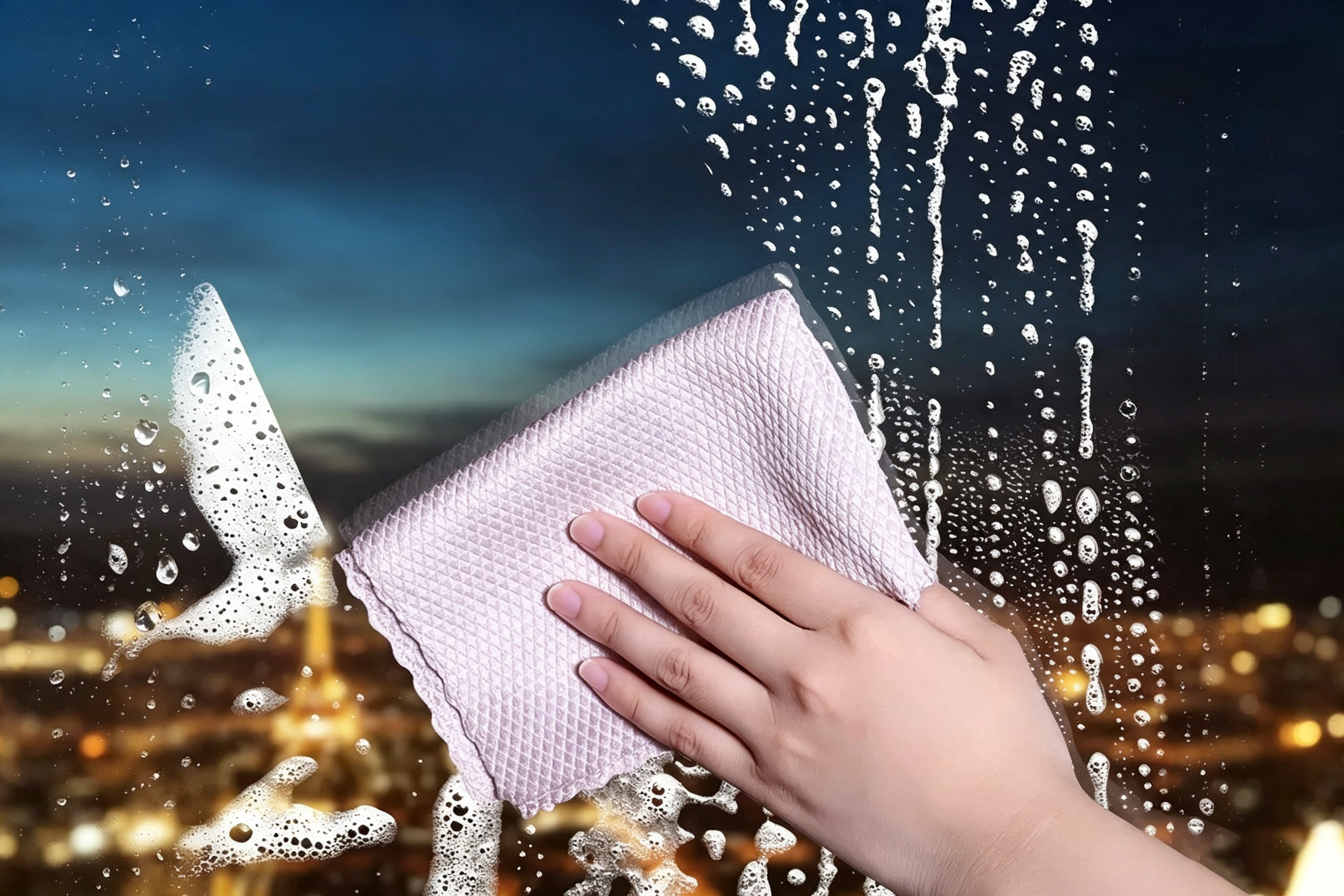
I remember talking to an owner of a professional cleaning service. He told me his biggest time-waster was going back over windows and mirrors to fix streaks. When he switched his team to a two-cloth microfiber system, he cut his time on glass cleaning by half. This is the secret professionals use, and it’s incredibly simple. You use one damp microfiber cloth to clean and a second, dry glass-specific cloth to polish immediately after. The first cloth lifts the dirt, and the second one whisks away any remaining moisture before it can evaporate and form streaks.
The Science of a Streak-Free Shine
The magic is in the structure of the cloth.
- No Lint: Cotton and paper towels are made of short, loose fibers that break off easily and stick to the glass. Microfiber is a continuous filament, so it doesn’t shed.
- Superior Wiping: The fibers are so fine (1/100th the diameter of a human hair) that they can get into microscopic pits on the glass surface, pulling out dirt that other cloths leave behind.
- Just Add Water: For most fingerprints and smudges, you don’t even need chemical cleaners. A little water is enough to dampen the cloth and let the fibers do their work. This is better for your home’s air quality and saves you money.
For any brand developing a home cleaning line, a high-quality glass cloth is a must-have. It’s a product that delivers a visible, satisfying result every time.
Can microfiber cloths handle tough bathroom cleaning?
Bathrooms are full of soap scum, hard water stains, and mildew. These tough messes often make you reach for harsh chemicals and abrasive sponges that can damage your fixtures.
Yes, microfiber cloths are excellent for bathrooms. A dual-sided cloth with a scrubbing side can break down soap scum, while the soft side polishes fixtures. Their high absorbency is perfect for drying surfaces to prevent water spots and mildew growth.
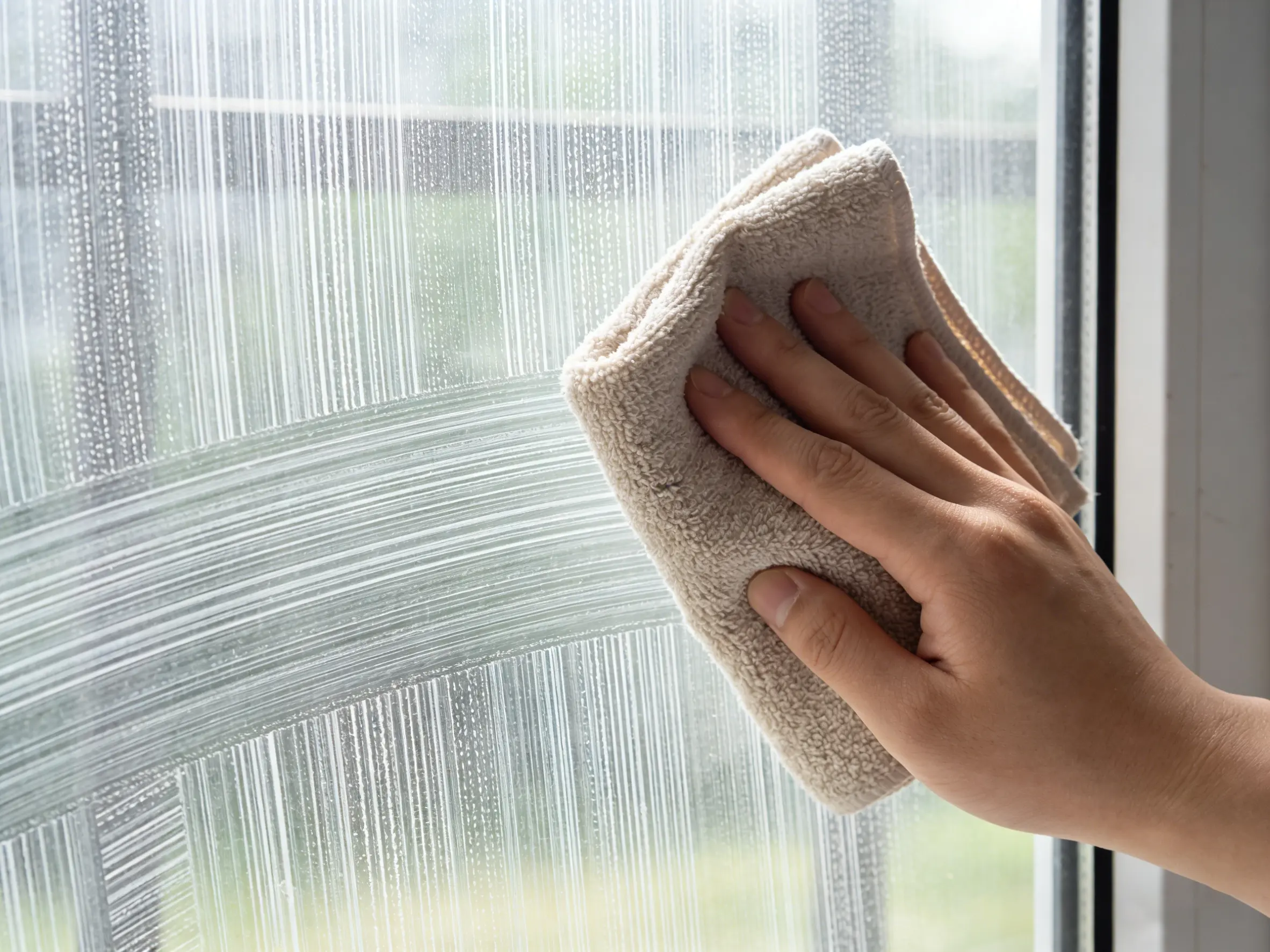
The bathroom is another area where a multi-cloth approach is very effective. As a manufacturer, we often create bathroom-specific kits for our clients. These kits usually include a more aggressive cloth for scrubbing and a highly absorbent one for drying. The goal is to clean effectively and, just as importantly, to leave surfaces dry. A dry bathroom is a clean bathroom because mildew and mold can’t grow without moisture.2 This is a key selling point for any consumer.
Your Bathroom Cleaning Strategy
To tackle the bathroom, you need a system. I recommend color-coding your cloths to prevent cross-contamination. For example, use blue cloths only for the bathroom.
Tackling Soap Scum and Grime: Use a two-sided microfiber cloth. One side has a slightly abrasive texture designed to scrub away soap scum from shower doors and tiles without scratching. The other side is a standard soft terry weave for general wiping. For tough spots, a paste of baking soda and water can be used with the scrubby side.
Making Fixtures Shine: Chrome faucets, showerheads, and handles attract water spots. After cleaning, use a dry, smooth polishing cloth (like the one for glass) to buff these surfaces. This removes all moisture and restores their shine.
Drying Everything: This is the most important step. After you shower or clean, use a large, highly absorbent microfiber towel to wipe down the walls, door, and floor. This simple habit takes less than a minute but prevents the buildup of hard water stains and mildew. It’s a preventive clean that saves you from heavy scrubbing later.
Are microfiber mops a better choice for floor cleaning?
Pushing a dirty string mop around just spreads dirty water. Buckets are heavy, floors take forever to dry, and the results are often streaky, leaving you with a bigger mess.
Microfiber mops are a much better choice. The flat mop pads use static electricity to attract dust and pet hair when dry, and their absorbent fibers clean grime effectively with less water when damp. The pads are also washable and reusable, making them more eco-friendly.
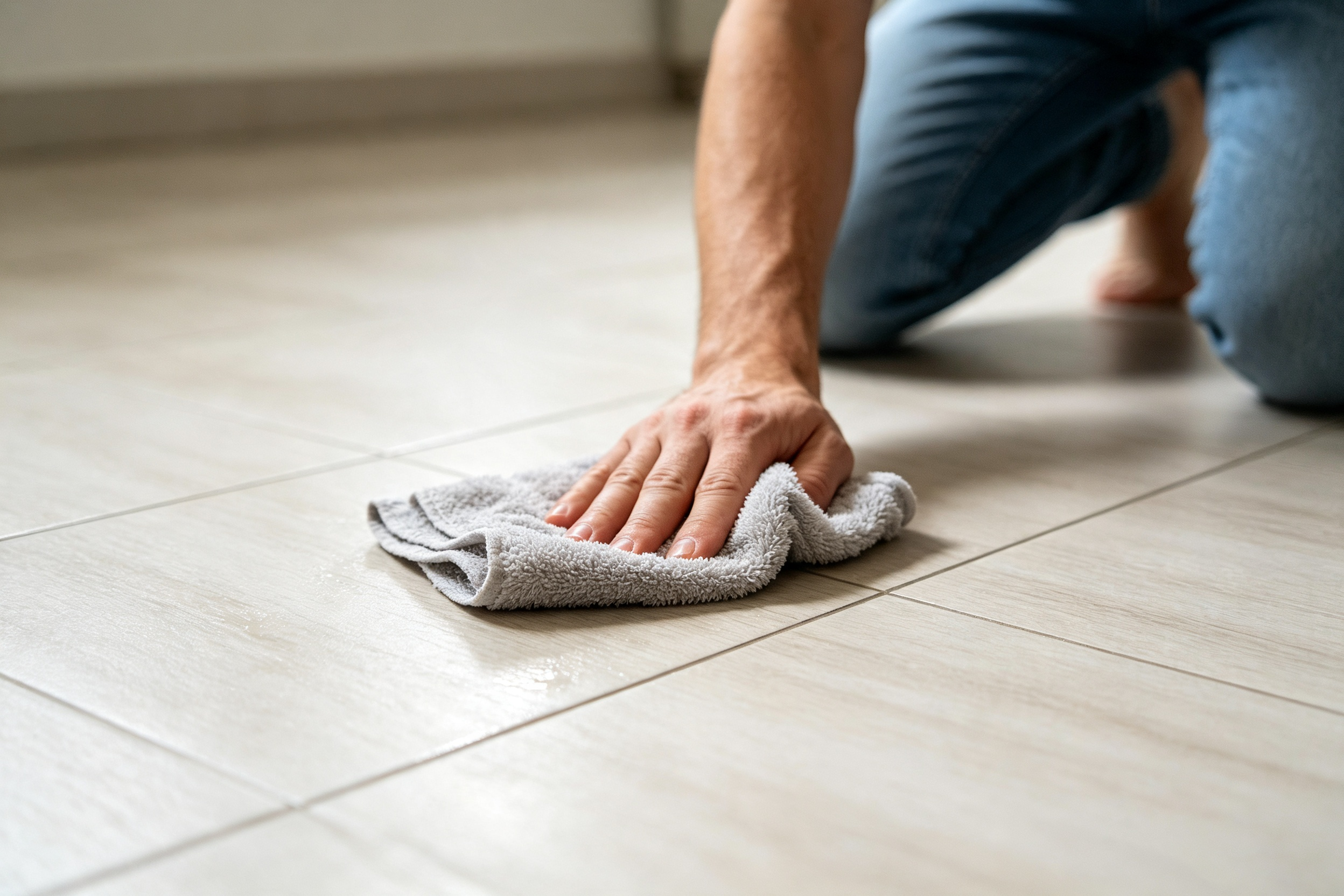
When we started developing microfiber mop pads, our goal was to solve the biggest problems with traditional mopping: too much water and not enough actual cleaning. A traditional mop gets saturated and quickly starts leaving behind more dirt than it picks up. A microfiber mop pad is different. The fine fibers get into the texture of your flooring, whether it’s tile grout or wood grain, and pull the dirt out instead of just pushing it around. Because it uses so much less water, floors dry almost instantly, which is safer and better for surfaces like hardwood.
How to Use a Microfiber Mop System
The real advantage comes from using multiple pads. This is a technique used by professional cleaners that is easy to adopt at home.
Start with a Dry Mop: First, use a dry mop pad. As you move it across the floor, it builds up a static charge that turns it into a magnet for dust, crumbs, and pet hair. You are essentially sweeping and dusting at the same time.
Switch to a Damp Mop: After removing the dry debris, switch to a clean, damp mop pad. A light mist of water or a pH-neutral floor cleaner is all you need. Mop the floor in sections. When the pad looks dirty, don’t rinse it in a bucket. Instead, simply pull it off and put on a fresh, clean pad.
| Feature | Traditional Mop | Microfiber Mop |
|---|---|---|
| Water Usage | High (uses a full bucket) | Low (uses a light spray) |
| Cleaning Action | Pushes dirt around | Traps and lifts dirt |
| Drying Time | Long | Fast (1-2 minutes) |
| Hygiene | Reuses dirty water | Uses clean pads for each area |
| Versatility | Wet mopping only | Dry dusting and wet mopping |
For any brand selling cleaning supplies, a microfiber mop system is a core product. It offers a clear, demonstrable upgrade over old-fashioned methods.
Conclusion
A specialized set of microfiber cloths, designed for different tasks, is the most useful and efficient solution for keeping your entire home clean, hygienic, and looking its best.
"Cross-contamination in the kitchen: effect of hygiene measures", https://pubmed.ncbi.nlm.nih.gov/18341559/. Research supports that using designated cleaning tools for specific tasks reduces cross-contamination and improves cleaning efficiency. Evidence role: mechanism; source type: research. Supports: Using specific cloths for different tasks prevents cross-contamination and ensures better results.. ↩
"A Brief Guide to Mold, Moisture and Your Home | US EPA", https://www.epa.gov/mold/brief-guide-mold-moisture-and-your-home. Research confirms that reducing moisture in bathrooms prevents mildew and mold growth, as supported by hygiene studies. Evidence role: mechanism; source type: research. Supports: Reducing moisture in bathrooms prevents mildew and mold growth.. ↩