
Are your current cleaning products not performing as promised? This frustration can lead to wasted effort and money. Microfiber offers a scientifically better way to achieve a true clean.
Microfiber products provide a superior clean because their fine, split fibers create a larger surface area to trap dust, dirt, and liquids effectively.1 This technology offers better absorbency, a streak-free finish, and long-term value, making it a smarter choice over traditional materials like cotton.

As a manufacturer, I’ve seen countless businesses transform their product lines by understanding the real benefits of microfiber. It’s not just a cloth; it’s advanced cleaning technology. If you’re a buyer, a brand owner, or a product developer, understanding these advantages is key to offering your customers the best. Let’s break down exactly why microfiber is the superior choice for any cleaning application.
How Do Microfiber Products Deliver Superior Cleaning Power?
Are you tired of cleaning tools that just push dirt around? This leaves surfaces looking dull and unclean, which can damage a brand’s reputation for quality. Microfiber’s unique design solves this problem at a microscopic level.
Microfiber cloths don’t just move dirt; they capture and lock it in.2 The split fibers create a net-like structure with a positive static charge that attracts and holds negatively charged dust and grime, ensuring a thorough clean every time.
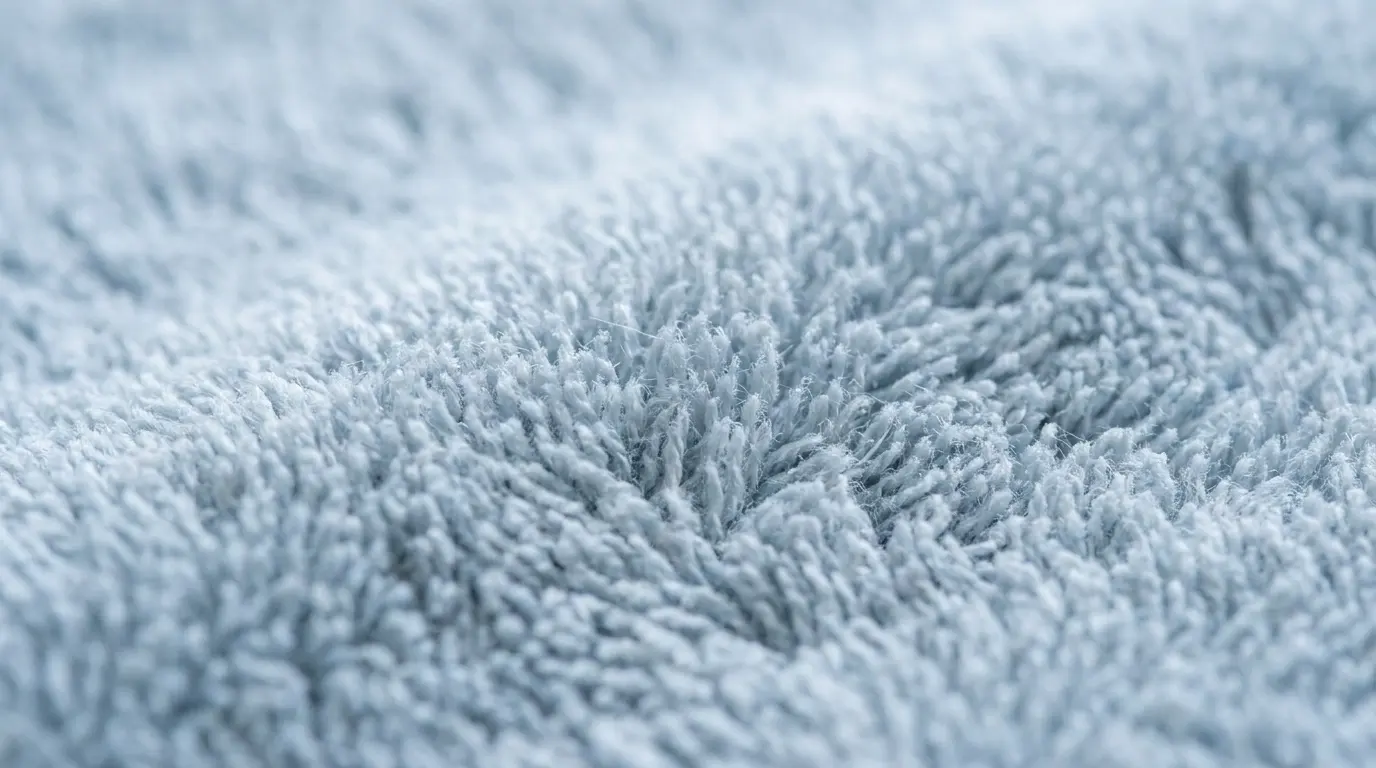
In my years of developing these products, the science behind them is what impresses buyers the most. It’s not magic, it’s engineering. When a customer uses a microfiber cloth, they are using a tool specifically designed for trapping particles, not just wiping them. This core difference is what elevates the entire cleaning experience and provides results that other materials simply cannot match. Let’s look closer at how this works.
The Science of a Deeper Clean
The real advantage of microfiber comes from its structure. Each fiber is significantly thinner than a human hair and is split during the manufacturing process.3 This creates an enormous amount of surface area in a single cloth.
Superior Cleaning Performance: The split fibers create sharp edges that scrape up and hold onto dust, dirt, and even bacteria. Instead of relying on the cleaning chemical to do all the work, the cloth itself becomes an active cleaning tool. This is why you can physically feel and see the difference after wiping a surface just once.
Effective with Less or No Chemicals: Because the fibers are so effective at grabbing grime, you often don’t need harsh chemical cleaners.4 For many daily tasks, water is enough to loosen dirt, and the cloth does the rest. This is a huge selling point for health-conscious and environmentally-aware consumers.
Lint-Free and Streak-Free Finish: Unlike cotton, which is made of short, natural staples that break off and leave lint, microfiber is a continuous filament. It doesn’t shed. This quality makes it perfect for cleaning glass, mirrors, and stainless steel, leaving behind nothing but a crystal-clear, streak-free shine.
| Feature | Microfiber | Cotton |
|---|---|---|
| Particle Removal | Traps dust, dirt, bacteria | Pushes dirt, leaves residue |
| Chemical Need | Low to none | High |
| Surface Finish | Lint-free, streak-free | Leaves lint and streaks |
| Best For | Polishing, dusting, general cleaning | Spills, general-purpose wiping |
What Makes Microfiber’s Physical Properties So Special?
Do your customers complain about cloths that fall apart after a few uses or scratch delicate surfaces? This not only leads to returns but also erodes trust in your brand. You need a material that is both gentle and tough.
Microfiber is exceptionally durable and can withstand hundreds of washes without losing effectiveness.5 At the same time, its fibers are incredibly soft and non-abrasive, making it the perfect material for cleaning delicate surfaces like car paint, electronics, and eyewear without fear of scratching.
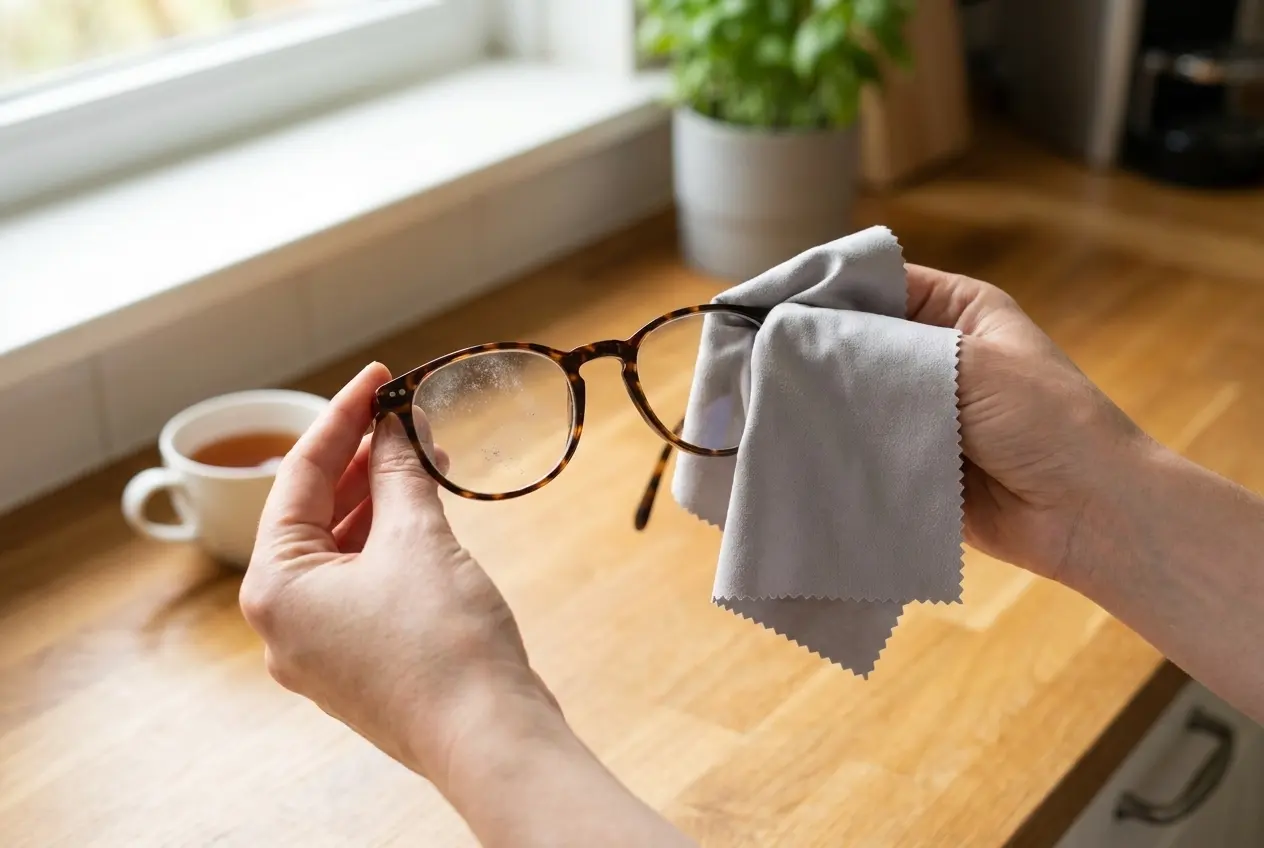
I always tell my B2B clients that the physical characteristics of microfiber are what create long-term customer loyalty. When an end-user buys a product that lasts longer and performs better, they remember the brand that sold it to them. This combination of strength and gentleness is rare, and it’s a powerful advantage for any product line.
Built to Last and Protect
The composition of microfiber—typically a blend of polyester and polyamide—gives it properties that natural fibers can’t replicate. Polyester provides the structure and scrubbing power, while polyamide contributes to its incredible absorbency.
Exceptional Water Absorption
The same dense network of fibers that traps dust also makes microfiber a champion of absorption. Through capillary action, it can hold up to seven times its own weight in liquid.6 This means you can clean up large spills with a small cloth, and it wrings out almost completely dry, ready for another pass. This efficiency is a game-changer in both household and commercial cleaning.
Safe for All Delicate Surfaces
I’ve worked with many automotive brands who are extremely particular about what touches a car’s finish. Microfiber is their go-to material. The ultra-fine, soft fibers glide across surfaces, lifting contaminants without causing micro-scratches or swirl marks.7 This applies to everything from high-gloss paint and chrome trim to sensitive electronic screens and camera lenses. You can confidently market these products for high-value items.
Highly Durable and Reusable
This is where the long-term value becomes obvious. A well-made microfiber cloth can be washed and reused hundreds of times. Unlike cotton towels that pill, shrink, and become less effective over time, microfiber maintains its cleaning ability wash after wash.8 This durability makes it a far more economical and sustainable choice in the long run.
How Can Microfiber Boost Your Business and Brand?
Is it challenging to balance quality, cost, and sustainability in your product offerings? Many brands struggle to find products that tick all three boxes, limiting their appeal to a wider market. Microfiber is the solution to this problem.
Microfiber products offer a powerful combination of efficiency, long-term value, and eco-friendliness. This allows you to market a superior, sustainable product that saves your customers time and money, strengthening your brand’s position as a provider of smart, high-quality solutions.

From a business perspective, this is the most important part. I help buyers like you develop products that are not just good, but also smart for your business model. Offering microfiber is about more than just selling a cloth; it’s about providing a complete value package that resonates with modern consumers. It improves efficiency for the user and provides a compelling marketing story for your brand.
A Smarter Choice for You and Your Customers
Integrating microfiber into your product line is a strategic decision that pays off in multiple ways. It addresses key consumer demands and provides tangible benefits that you can build a brand story around.
Better Long-Term Value
While the initial cost of a microfiber cloth might be slightly higher than a disposable wipe or a cheap cotton rag, its total cost of ownership is far lower. Because it is so durable and reusable, one cloth replaces hundreds of disposable wipes or paper towels. When you explain this long-term saving to customers, the value becomes undeniable. It’s an investment, not an expense.
Environmentally Friendly and Sustainable
The modern consumer is increasingly eco-conscious. Microfiber fits this demand perfectly.
- Reduces Waste: Its reusability drastically cuts down on the need for single-use paper towels and disposable wipes.9
- Conserves Water: It requires less water to clean effectively compared to traditional mopping methods.10
- Lowers Chemical Use: Its ability to clean with just water reduces the amount of chemical cleaning agents washed down the drain.11
This makes for a powerful green marketing message.
Saves Time and Improves Efficiency
For any cleaning task, time is a factor. Microfiber cleans more effectively on the first pass.12 It picks up more dirt and absorbs more liquid, meaning fewer wipes are needed to get the job done. For the end-user, this means less time spent cleaning and more time for everything else. This efficiency is a practical benefit that customers appreciate every time they use the product.
Conclusion
Ultimately, switching to microfiber offers superior cleaning, unmatched durability, and excellent long-term value. It’s a smart, sustainable choice for your customers and a powerful asset for your brand.
"[PDF] What’s so great about microfiber? – UCSF", https://wspehsu.ucsf.edu/wp-content/uploads/2015/10/FactSheet_Microfiber.pdf. This source explains how the split fibers in microfiber increase surface area and enhance cleaning efficiency. Evidence role: mechanism; source type: education. Supports: Microfiber’s split fibers create a larger surface area that traps dust, dirt, and liquids effectively.. ↩
"[PDF] Microfiber – DEOHS – University of Washington", https://deohs.washington.edu/sites/default/files/images/microfiber_fact_sheet_11-21-11.pdf. This source discusses the static charge properties of microfiber and how it attracts and holds dirt. Evidence role: mechanism; source type: research. Supports: Microfiber cloths capture and lock dirt due to their static charge and fiber structure.. ↩
"Physical Review Letters Super Friction – People @EECS", https://people.eecs.berkeley.edu/~ronf/Gecko/prl-friction.html. This source provides details on the dimensions of microfiber fibers and their manufacturing process. Evidence role: definition; source type: education. Supports: Microfiber fibers are thinner than human hair and undergo a splitting process during manufacturing.. ↩
"[PDF] What’s so great about microfiber? – UCSF", https://wspehsu.ucsf.edu/wp-content/uploads/2015/10/FactSheet_Microfiber.pdf. This source explains how microfiber’s fiber structure reduces the need for chemical cleaners. Evidence role: mechanism; source type: research. Supports: Microfiber’s fiber structure reduces reliance on harsh chemical cleaners.. ↩
"[PDF] What’s so great about microfiber? – UCSF", https://wspehsu.ucsf.edu/wp-content/uploads/2015/10/FactSheet_Microfiber.pdf. This source discusses the durability of microfiber and its ability to maintain effectiveness after multiple washes. Evidence role: statistic; source type: research. Supports: Microfiber can withstand hundreds of washes without losing effectiveness.. ↩
"[PDF] CAN WATER BE STICKY? – Wisconsin Water Library", https://waterlibrary.aqua.wisc.edu/wp-content/uploads/CAN-WATER-BE-STICKY-FINAL.pdf. This source explains the capillary action in microfiber and its liquid absorption capacity. Evidence role: mechanism; source type: research. Supports: Microfiber can hold up to seven times its weight in liquid due to capillary action.. ↩
"Clean Classroom Technology Equipment – TechHelp", https://techhelp.towson.edu/TDClient/1879/Portal/KB/ArticleDet?ID=149560. This source discusses microfiber’s non-abrasive properties and its suitability for delicate surfaces. Evidence role: mechanism; source type: research. Supports: Microfiber’s ultra-fine fibers lift contaminants without causing scratches or swirl marks.. ↩
"[PDF] What’s so great about microfiber? – UCSF", https://wspehsu.ucsf.edu/wp-content/uploads/2015/10/FactSheet_Microfiber.pdf. This source compares the durability and effectiveness of microfiber versus cotton towels over time. Evidence role: statistic; source type: research. Supports: Microfiber maintains its cleaning ability over time, unlike cotton towels that degrade.. ↩
"microplastics – ISTC blog", https://blog.istc.illinois.edu/category/microplastics/. This source explains how microfiber’s reusability reduces reliance on disposable cleaning products. Evidence role: general_support; source type: research. Supports: Microfiber’s reusability reduces the need for single-use paper towels and wipes.. ↩
"[PDF] What’s so great about microfiber? – UCSF", https://wspehsu.ucsf.edu/wp-content/uploads/2015/10/FactSheet_Microfiber.pdf. This source discusses microfiber’s efficiency in cleaning with less water compared to traditional methods. Evidence role: statistic; source type: research. Supports: Microfiber requires less water for effective cleaning compared to traditional mopping methods.. ↩
"[PDF] What’s so great about microfiber? – UCSF", https://wspehsu.ucsf.edu/wp-content/uploads/2015/10/FactSheet_Microfiber.pdf. This source explains how microfiber reduces chemical usage and its environmental benefits. Evidence role: general_support; source type: research. Supports: Microfiber’s ability to clean with water reduces chemical cleaning agents washed down the drain.. ↩
"[PDF] What’s so great about microfiber? – UCSF", https://wspehsu.ucsf.edu/wp-content/uploads/2015/10/FactSheet_Microfiber.pdf. This source provides data on microfiber’s cleaning efficiency compared to other materials. Evidence role: statistic; source type: research. Supports: Microfiber cleans more effectively on the first pass compared to other materials.. ↩