
Your refrigerator has sticky spills and unpleasant crumbs. This is not just messy, it is unhygienic. You need a simple and effective way to clean it safely.
Yes, you can and should use a damp microfiber cloth1 to clean your refrigerator. It is excellent for wiping away sticky messes and food residue. For the best results, use a dry cloth first for crumbs, then the damp one, and finish with another dry cloth.
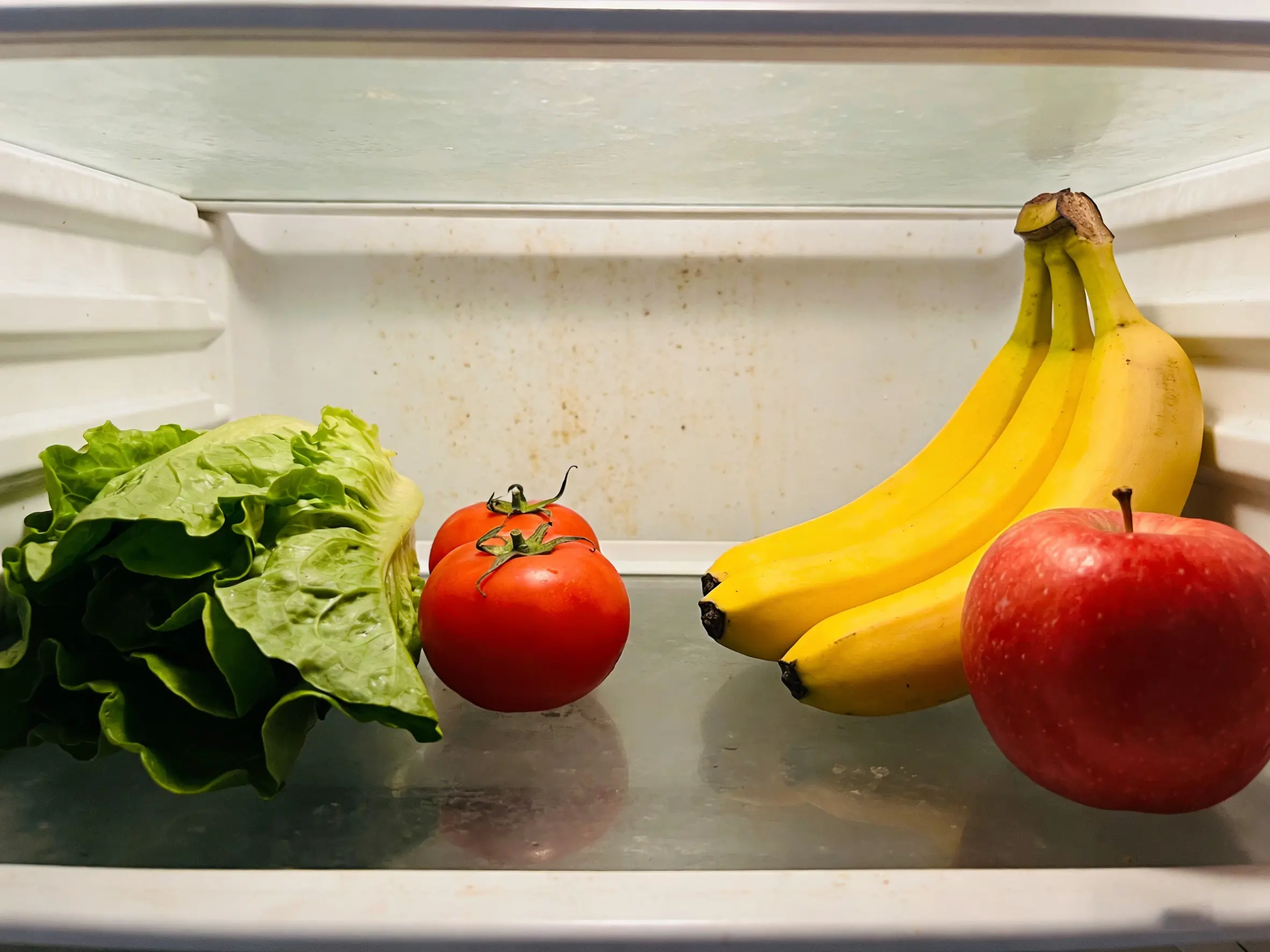
It seems very simple, and it is. But the method you use and the quality of the cloth you choose are very important. The right approach can turn a difficult chore into a quick and easy task. I want to share my personal method for getting a perfectly clean fridge every time. It’s a system I’ve used for years in my own home. Let’s look at why this simple tool works so well and what you need to know.
What is the best way to clean a fridge with microfiber cloths?
You are tired of using paper towels that just tear apart. Chemical sprays can leave a strange smell where you store your food. There has to be a better way.
The best method is a simple three-step process2. First, use a dry microfiber cloth to pick up loose crumbs and dust3. Second, use a damp cloth to scrub4 away spills. Finally, use another dry cloth to wipe away all moisture.
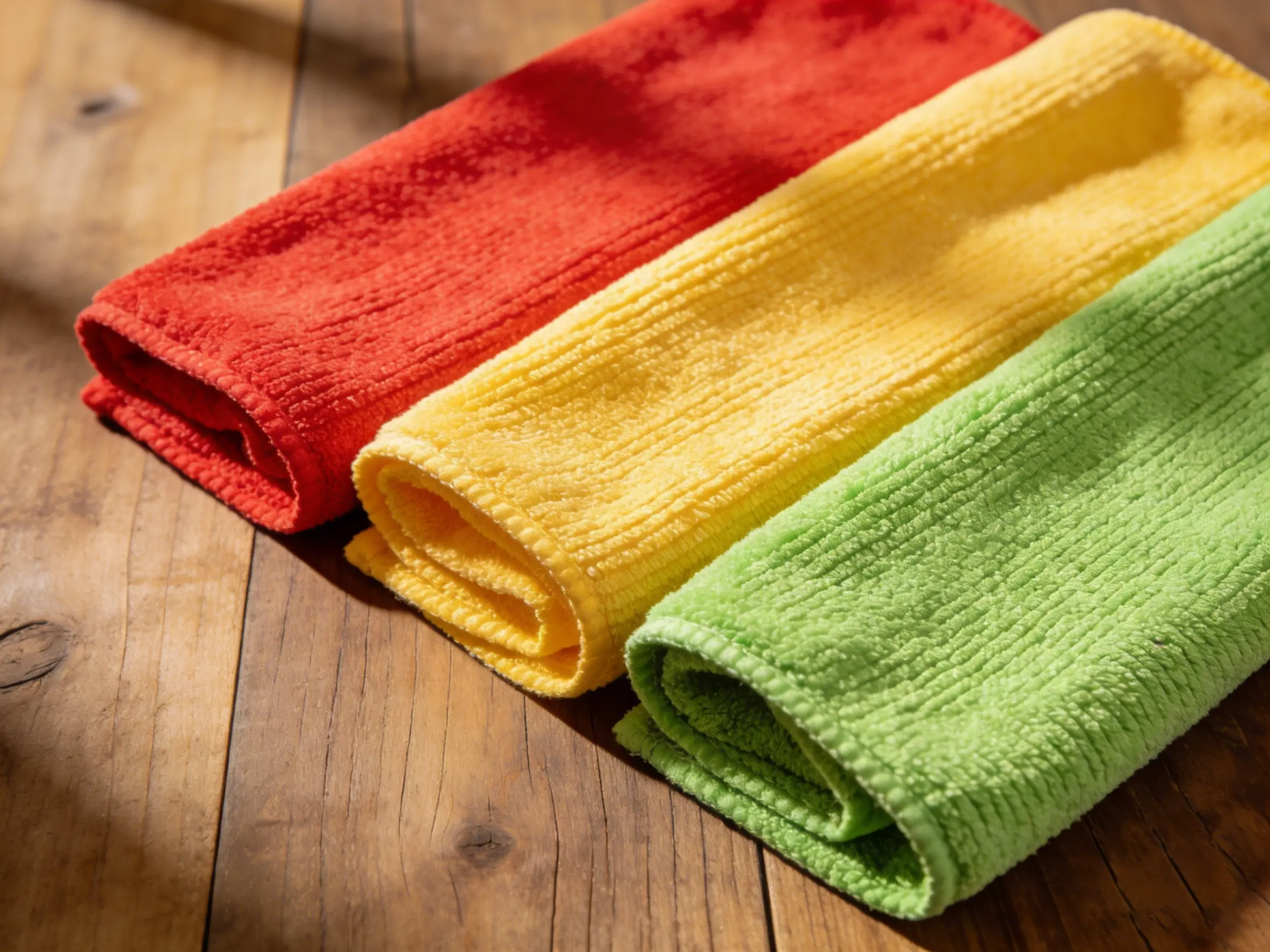
I have found this three-step system to be the most effective way to clean my refrigerator. I want to break down each step for you. It might seem like a lot of work, but it actually makes the job faster and gives you a much better result. I learned this process through trial and error, and it has never failed me.
Step 1: The First Dry Wipe
I always start with a completely dry microfiber cloth. The reason is simple. Dry microfiber has a natural static charge5. This charge acts like a magnet for dust, crumbs, and other loose particles. If you start with a wet cloth, you will just turn those dry crumbs into a wet, sticky paste. It becomes much harder to clean up. I take the dry cloth and wipe down all the shelves, the door compartments, and the bottom of the fridge. This step quickly removes all the loose debris.
Step 2: The Damp Scrub
After I remove the dry mess, I take a second microfiber cloth and get it damp with plain water. You do not need a lot of water. Just make it damp, not soaking wet. This is the step for tackling the sticky stuff like spilled milk, juice drops, or sauce smears. The water helps to loosen the dried-on mess. The tiny fibers of the cloth then get underneath the grime and lift it away from the surface. I never use harsh chemical cleaners inside my fridge. Just water and a good quality microfiber cloth are enough to remove almost all bacteria6 and grime.
Step 3: The Final Dry Polish7
This final step is the secret to a perfect finish. After I have scrubbed everything with the damp cloth, I take a third, completely dry and clean microfiber cloth. I use this to wipe down all the surfaces one last time. This step removes any remaining moisture. Leaving surfaces wet inside a cold refrigerator can lead to ice buildup or create a place for mildew to grow. The final dry wipe leaves the glass shelves sparkling and streak-free. The inside of the fridge looks brand new and is ready for food.
| Step | Cloth Condition | Purpose |
|---|---|---|
| 1 | Dry | Lifts loose crumbs and dust with static charge. |
| 2 | Damp | Scrubs away sticky spills and stains. |
| 3 | Dry | Removes all moisture to prevent streaks and ice8. |
Are microfiber cloths safe for cleaning food storage areas?
You worry about using harsh chemicals near your family’s food. You also wonder if a cleaning cloth is just spreading germs around. You need to know your cleaning is truly safe.
Yes, high-quality microfiber cloths9 are extremely safe for cleaning refrigerators and other food areas. They can physically remove over 99% of bacteria10 from surfaces using only water. Just be sure to choose cloths from a certified manufacturer that meets safety standards.
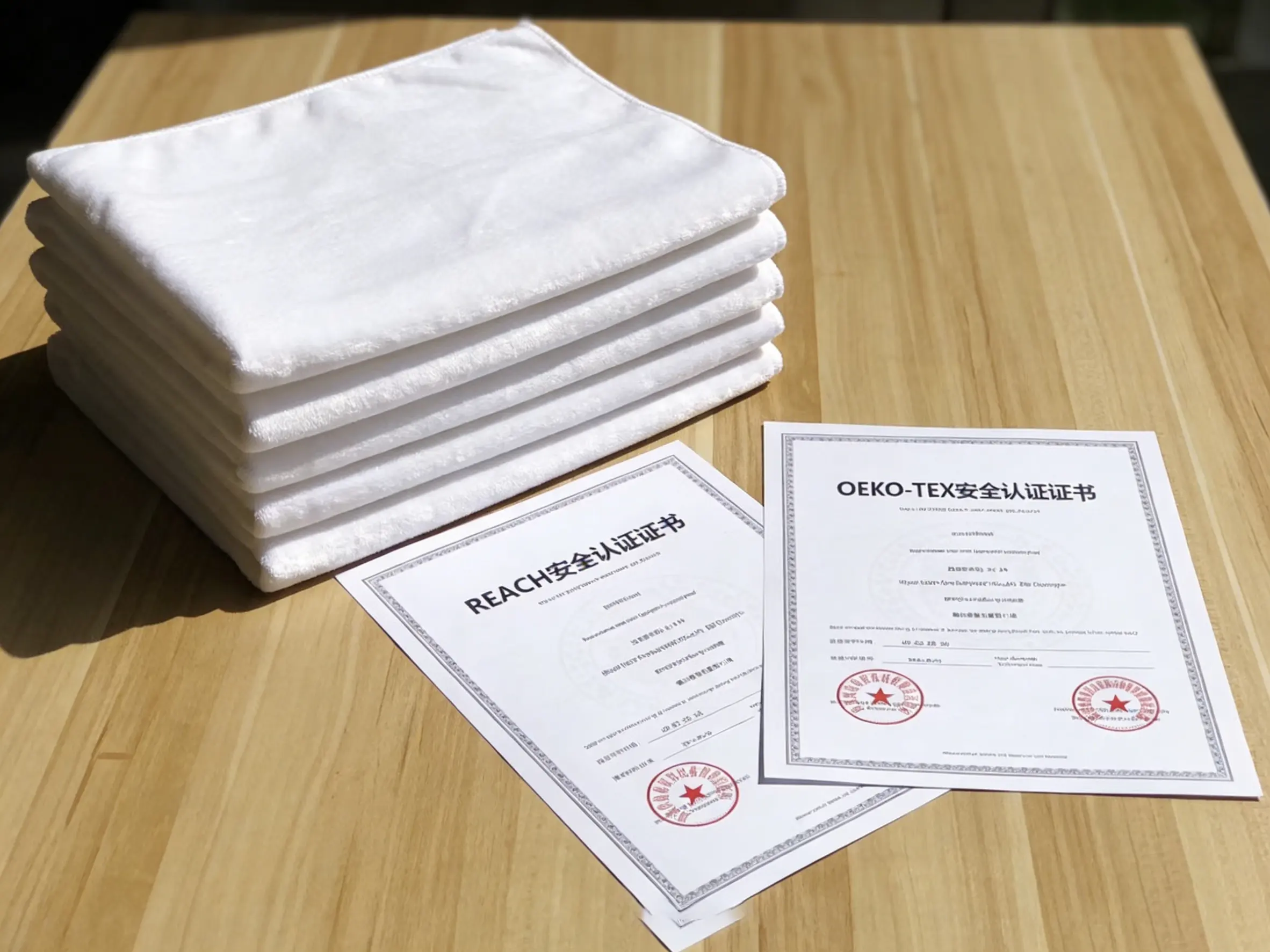
The question of safety is the most important one. As a manufacturer, I deal with this question every day from clients like brand owners and importers. They are responsible for the products they sell, so safety is not negotiable. A microfiber cloth is not just a piece of fabric. Its quality and composition matter a great deal, especially when it will be used around food.
Understanding Material Safety
The safety of a cloth starts with its raw materials. A cheap, low-quality cloth might be made with dyes or chemicals that are not safe. This is why we focus on producing cloths that can meet strict standards. For example, some of our products can achieve a Class A rating11, which is the standard for infant products. This means they are free from harmful substances and are safe enough for a baby. When you use a cloth of this quality in your refrigerator, you can be confident that no harmful residues are left behind.
The Importance of Certification
How can you be sure a product is safe? You look for certifications. In Europe, one of the most important regulations is REACH (Registration, Evaluation, Authorisation and Restriction of Chemicals12). REACH ensures that chemicals used in products are safe for human health and the environment. As a professional supplier, we provide REACH test reports13 for our products. This is a guarantee to our clients that the cloths are compliant and safe to sell in their markets. When you are a buyer, always ask for these documents. They separate a professional factory from a supplier who might cut corners on safety.
Why Your Supplier Matters
This all comes back to choosing the right supplier. A reliable manufacturer has a complete quality control system. We control the process from the raw materials to the final product. This ensures that every cloth we produce meets the high standards our clients expect. For a wholesaler or an e-commerce seller, partnering with a factory like ours means you are providing your customers with a product that is not only effective but also completely safe for use in their homes. This builds trust in your brand.
How do I care for my microfiber cloths to keep them effective?
You invested in good microfiber cloths, but they stopped working well after a few washes. They feel stiff and no longer absorb water. Are you doing something wrong when you wash them?
To care for your microfiber cloths, wash them with a small amount of regular detergent. You must avoid fabric softener and bleach because they will ruin the fibers. Air drying is the best way to dry them. Proper care lets you reuse them hundreds of times.
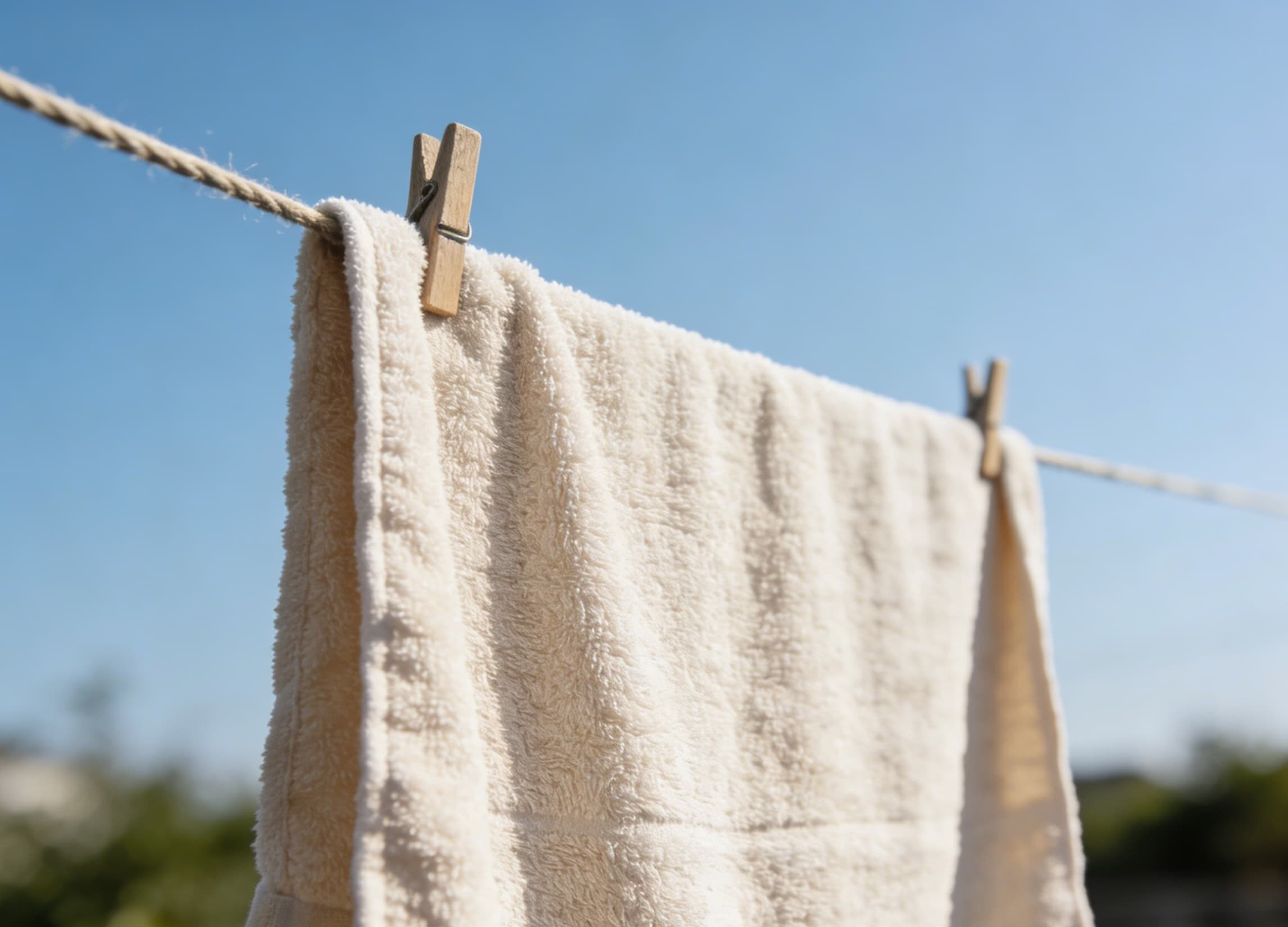
A great microfiber cloth is an investment. If you are a business, the durability of the cloth is part of its value. A cloth that can be washed over 300 times is much more economical than a disposable one or a cheap one that fails after a few uses. But to get that long life, you have to follow a few simple care rules. I always tell my clients that how they instruct their customers to care for the product is just as important as the product itself.
The "Don’ts" of Microfiber Care
There are a few things that will quickly destroy a microfiber cloth. It is very important to avoid them.
- No Fabric Softener14: This is the number one rule. Fabric softener works by leaving a waxy coating on fabrics to make them feel soft. This coating will completely clog the microscopic spaces in the microfiber. A clogged cloth cannot absorb water or pick up dirt. It becomes useless.
- No Bleach15: Bleach is a harsh chemical that can break down and damage the delicate synthetic fibers of the cloth. It will shorten the life of the product significantly.
- No High Heat: Do not wash the cloths in very hot water or dry them on a high heat setting in a machine dryer. The high heat can literally melt the fibers, causing them to lose their softness and cleaning ability.
The "Do’s" of Microfiber Care
Here is the simple and correct way to care for your cloths.
| Action | Reason |
|---|---|
| Wash After Use | Prevents bacteria from growing on a damp, dirty cloth. |
| Use Mild Detergent | Cleans the cloths effectively without harsh chemicals. |
| Wash with Lint-Free Items16 | Microfiber will grab lint from cotton towels, reducing its effectiveness. |
| Air Dry or Tumble Dry Low17 | Preserves the integrity and softness of the fibers for a long life. |
Following these simple steps will ensure that your microfiber cloths remain soft, absorbent, and effective for hundreds of uses. For my B2B customers, providing these clear care instructions18 adds value to their product and leads to happier end-users.
Conclusion
Yes, a damp microfiber cloth is perfect for cleaning your fridge. Use a dry-damp-dry method, choose a certified safe cloth from a good factory, and care for it properly.
Discover why a damp microfiber cloth is ideal for cleaning, offering efficiency and safety without harsh chemicals. ↩
Learn the effective three-step cleaning process using microfiber cloths for a spotless and hygienic refrigerator. ↩
Find out the best methods to remove loose crumbs and dust from your refrigerator for a cleaner environment. ↩
Explore the reasons why a damp cloth is effective in scrubbing away sticky spills and stains. ↩
Understand how the static charge in microfiber cloths attracts dust and crumbs, making cleaning more efficient. ↩
Discover how microfiber cloths can remove bacteria effectively without the need for chemical cleaners. ↩
Learn why the final dry polish step is crucial for a streak-free and moisture-free refrigerator. ↩
Get tips on preventing streaks and ice buildup in your refrigerator for a cleaner and more efficient appliance. ↩
Understand the characteristics that define a high-quality microfiber cloth for safe and effective cleaning. ↩
Learn how microfiber cloths can physically remove over 99% of bacteria, ensuring a hygienic cleaning process. ↩
Explore the meaning of a Class A rating and its importance in ensuring product safety, especially for infants. ↩
Understand the REACH regulation and its role in ensuring the safety of chemicals in consumer products. ↩
Find out the significance of REACH test reports in ensuring the safety and compliance of cleaning products. ↩
Learn why fabric softener can ruin microfiber cloths and how to properly care for them. ↩
Discover the reasons why bleach can damage microfiber cloths and how to maintain their quality. ↩
Understand the importance of washing microfiber cloths with lint-free items to preserve their cleaning ability. ↩
Find out the best drying methods for microfiber cloths to keep them soft and effective for longer. ↩
Get detailed care instructions for microfiber cloths to ensure they remain effective and long-lasting. ↩