
Tired of stubborn grime on your stainless steel? You scrub and scrub, only to find scratches left behind by harsh scourers. There is a better way.
To clean stainless steel cheaply and safely, use a specialized microfiber cloth1. Options like jacquard weave2 or grid-pattern cloths3 increase friction to remove grime effectively without causing scratches, saving you time and effort and protecting your investment.
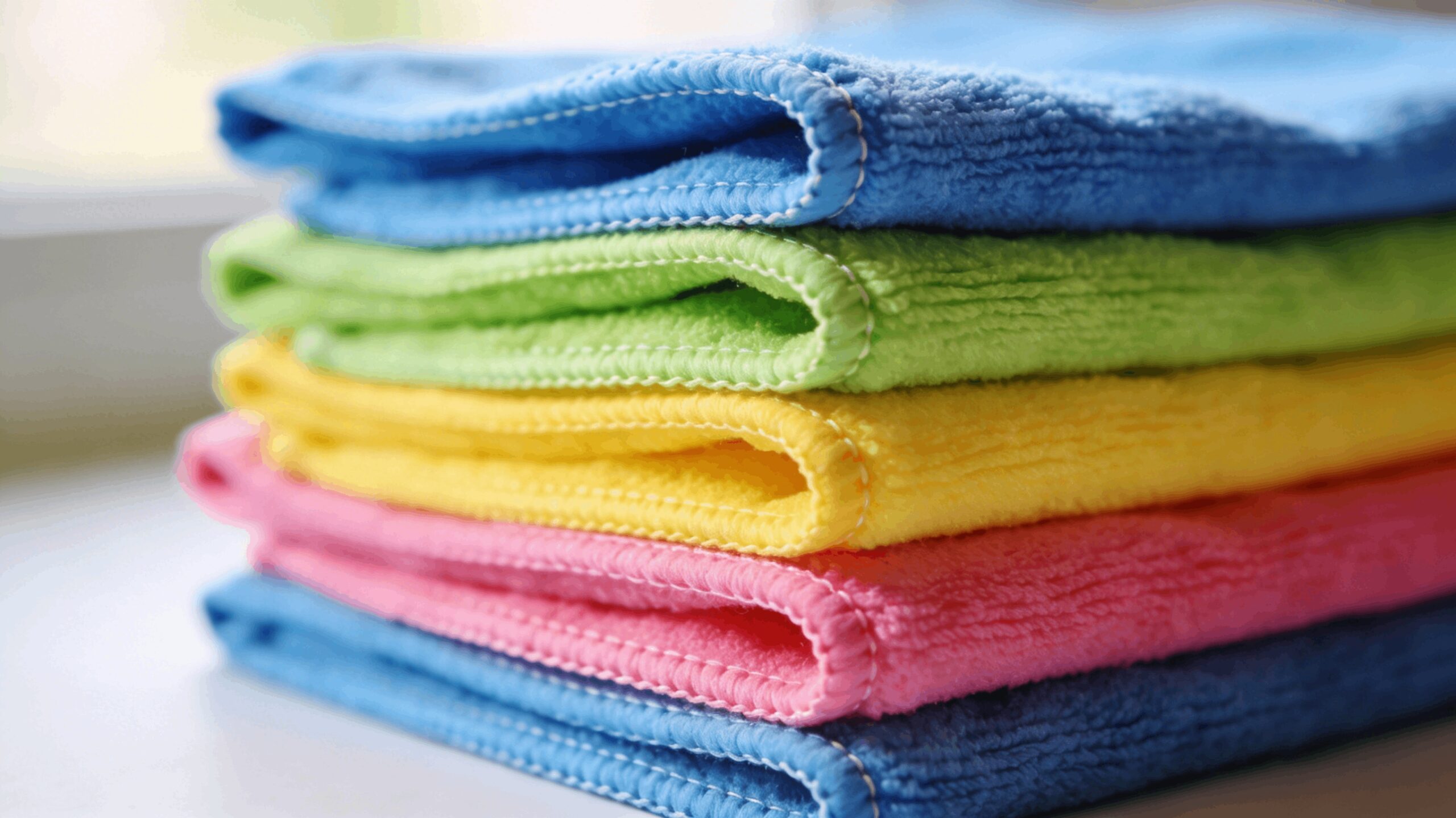
I remember trying to clean a stainless steel pot after a big family dinner. Food was completely baked on. I tried everything, and it felt like I was getting nowhere. It was so frustrating. This experience taught me that not all cleaning tools are created equal, especially when it comes to stainless steel. I learned that the right tool makes the job easy, while the wrong one can cause permanent damage. Let’s look at why some common methods fail and what actually works.
Why do steel wool4 and paper towels damage stainless steel?
You see a tough, baked-on stain and reach for steel wool. It gets the job done, but now your shiny appliance is covered in ugly scratches. This is a common frustration.
Steel wool is too abrasive and creates micro-scratches on stainless steel surfaces. Paper towels5 are too weak; they disintegrate when wet and fail to remove stuck-on food, leaving behind a pulpy mess instead of a clean surface.
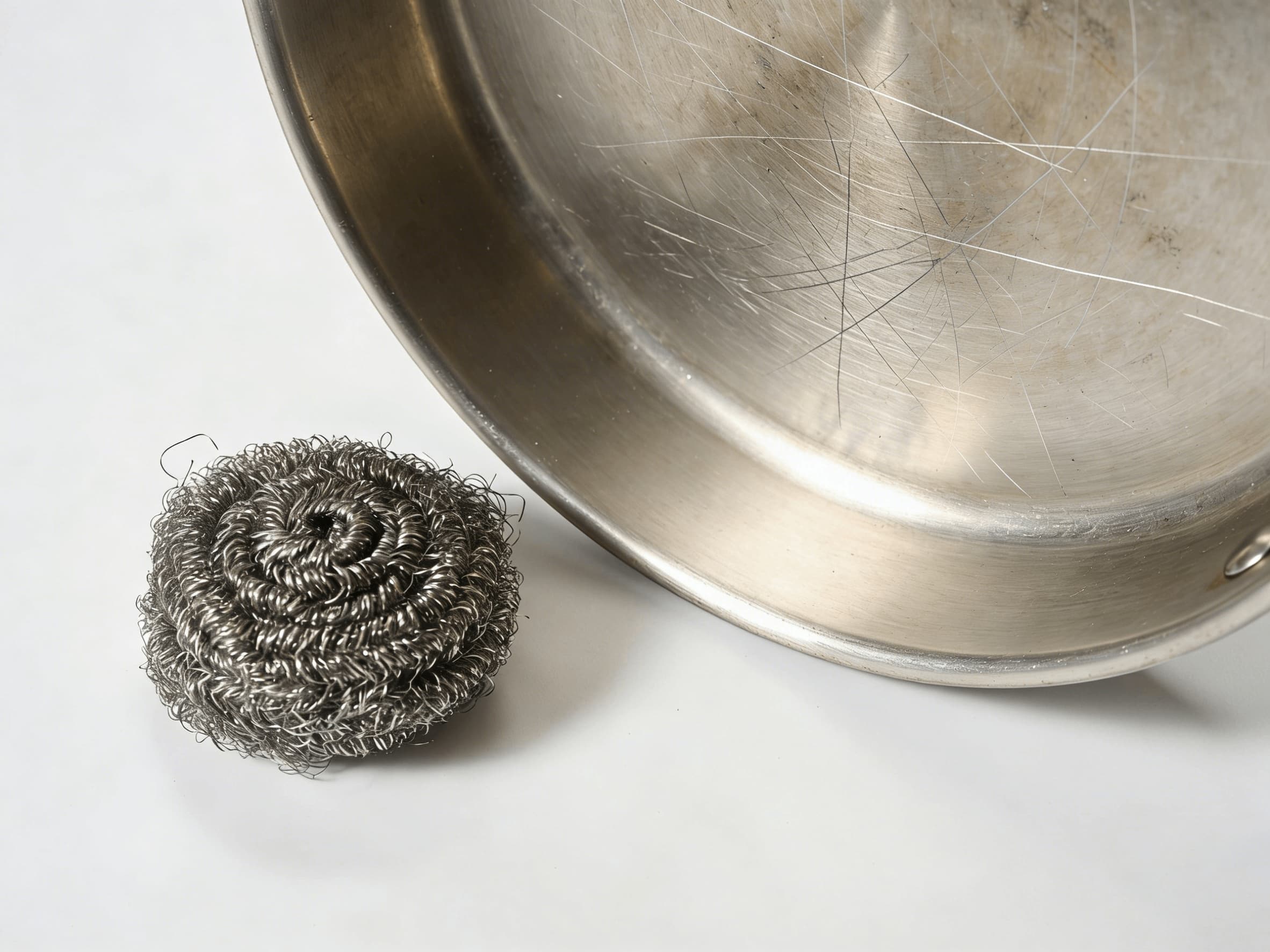
When I was younger, I thought steel wool was the ultimate solution for any tough cleaning job. I used it on a brand new stainless steel basin that had some sticky residue on it. The residue came off, but I was horrified to see what was left behind. The basin was covered in a network of fine scratches that dulled its finish forever. The problem is that the metal in a steel wool pad can be harder than the protective finish on stainless steel. It cuts right into the surface, creating permanent damage.
Paper towels are on the other end of the spectrum. I’ve tried using them to wipe up a sticky mess on a stainless steel counter. The paper just got wet, tore apart, and left little white bits stuck to the grime. It made the mess even worse. They simply don’t have the strength or texture to handle anything more than a simple liquid spill.
| Cleaning Tool | Problem | Result |
|---|---|---|
| Paper Towels | Too weak, low tensile strength | Tears apart, leaves lint, doesn’t remove stuck-on grime |
| Steel Wool | Too abrasive, harder than the surface | Removes grime but leaves permanent scratches and dulls the finish |
| Regular Towels6 | Not enough texture, requires force | Requires lots of scrubbing, wastes time, water, and detergent |
How does a jacquard cleaning cloth7 work on tough stains?
Stubborn, dried-on food is a nightmare. You don’t want to scratch your cookware, but you need something that cleans effectively. There is a solution that works.
A jacquard cleaning cloth has a raised, textured pattern. This design greatly increases the surface area and friction, allowing it to scrub away tough grime with minimal effort and just a little water or soap, protecting the surface.
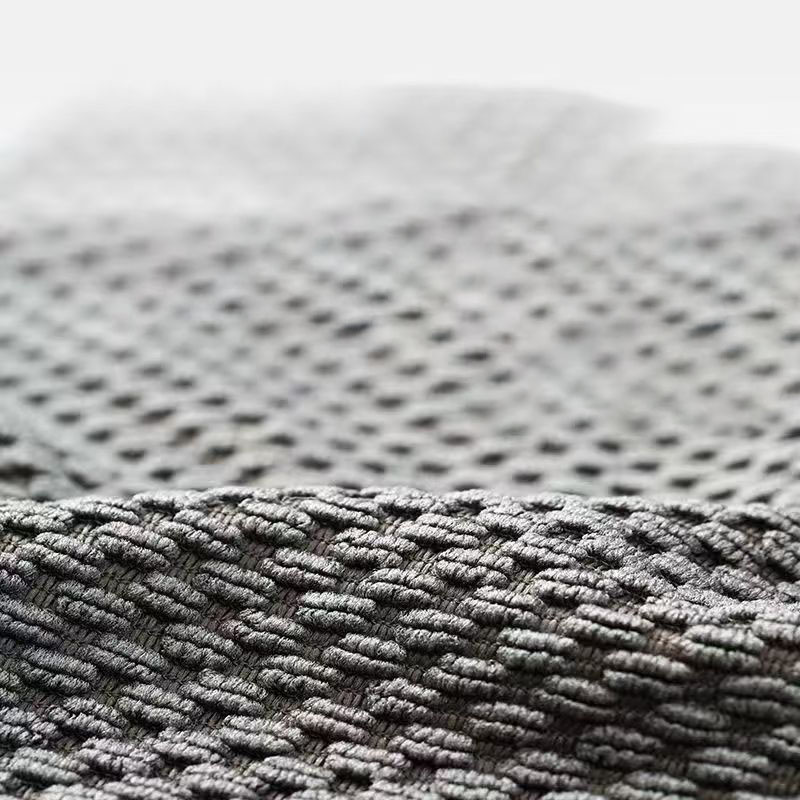
After my bad experience with steel wool, I started looking for better options. That’s when I discovered jacquard weave microfiber cloths. These are different. The cloth isn’t flat; it has a pattern woven directly into it, with parts that are raised up. This design is the key to its cleaning power. The raised sections act like gentle scrapers. They provide a lot of friction to break up and lift away dried-on food and tough grime.
But because the material is soft microfiber, it doesn’t scratch the stainless steel. You get the scrubbing power you need without the damage. I found I only needed a little bit of water or a drop of dish soap to clean even the most stubborn messes. Many of these cloths are also dual-sided. You can use the textured side for scrubbing and then flip it over to the smooth, absorbent side to wipe away water and polish the surface to a perfect shine. It’s an all-in-one tool.
What makes grid-pattern cloths so effective for cleaning?
You need a cloth that’s tough on grime but gentle on surfaces. Finding that perfect balance can be hard. Many cloths are either too soft or too abrasive.
Grid-pattern cloths, often made of polyester and nylon, use a special weave to create a scrubbing texture. This design lifts and traps dirt and grease efficiently without scratching, making them ideal for delicate yet dirty surfaces like stainless steel.

Another amazing product I found is the grid-pattern cleaning cloth. In China, we sometimes call it a "silver cloth8" because of its shiny, silver-colored threads. But don’t worry, it’s not made of metal. It’s typically a blend of polyester and nylon9 woven into a unique grid shape. This open-weave design is incredibly effective. The grid structure creates edges that gently scrape away grime, while the open spaces help trap the dirt and flush it away easily when you rinse the cloth.
This type of cloth feels slightly rough to the touch, which gives it excellent cleaning ability. However, the polyester and nylon fibers are soft enough that they won’t scratch your stainless steel pots, pans, or appliances. It works really well on greasy messes and stuck-on food particles. It provides a different kind of scrubbing action compared to the jacquard cloth but is just as effective and just as safe. It’s another fantastic, cheap method for keeping stainless steel looking its best.
Why should you add these specialty cloths to your product line?
Your customers are searching for better cleaning solutions. Offering the same old sponges and towels won’t make your brand stand out. You need a product that solves a real, common problem.
Adding jacquard and grid cloths to your inventory meets a clear customer need: effective, non-scratch cleaning. These innovative products offer a higher perceived value than standard cloths, allowing for better margins and brand differentiation10 in a crowded market.
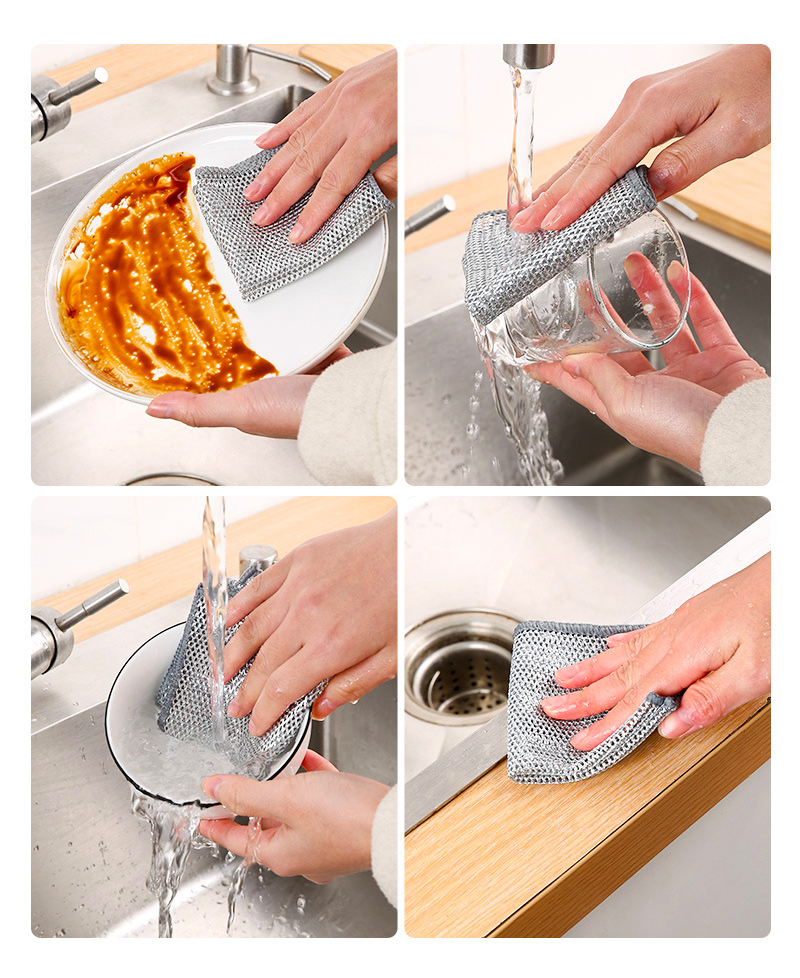
If you are a purchasing manager or brand owner, think about your customers. They are tired of the same old problems. They buy beautiful stainless steel products and then struggle to clean them. They are actively looking for a solution. By offering jacquard and grid-pattern cloths, you are giving them exactly what they need. These aren’t just simple cloths; they are problem-solvers. This gives you a powerful story to tell.
These products also fit perfectly with modern market trends. Customers want reusable, durable products that help them reduce their reliance on harsh chemicals and disposable items like paper towels. You can market these as an eco-friendly and cost-effective solution. As an OEM/ODM supplier11, we can help you develop a unique product. We can customize the size, weight, color, and even add your brand’s logo. If you want to expand your product line with items that customers will love and appreciate, these cloths are an excellent choice. Contact us at meetclean12, and we can help you with your product needs.
Conclusion
Cleaning stainless steel doesn’t have to be a choice between grime and scratches. The right microfiber cloth makes it easy to get a perfect, shiny finish every single time.
Discover how specialized microfiber cloths can effectively clean stainless steel without causing scratches, saving time and effort. ↩
Learn how jacquard weave microfiber cloths increase friction to remove grime effectively without scratching surfaces. ↩
Explore the unique design of grid-pattern cloths that efficiently lift and trap dirt without scratching delicate surfaces. ↩
Understand the abrasive nature of steel wool and how it can leave permanent scratches on stainless steel surfaces. ↩
Find out why paper towels disintegrate when wet and fail to remove stuck-on food, leaving a pulpy mess. ↩
Discover why regular towels require excessive scrubbing and waste time, water, and detergent. ↩
Learn about the raised, textured pattern of jacquard cleaning cloths that scrub away tough grime with minimal effort. ↩
Learn about the grid-pattern ‘silver cloth’ and its effectiveness in cleaning stainless steel without damage. ↩
Understand the role of polyester and nylon fibers in providing gentle yet effective cleaning without scratching. ↩
Learn how offering innovative cleaning cloths can set a brand apart in a crowded market by solving common cleaning problems. ↩
Discover how OEM/ODM suppliers can help brands develop unique, customized cleaning cloths to meet customer needs. ↩
Find out how meetclean can assist in developing customized cleaning cloths to expand product lines and meet customer demands. ↩