
Sourcing the right cleaning cloths is tough. Choosing the wrong ones leads to wasted money. The best choice is simpler and more effective than you might think.
The best microfiber cleaning cloths1 for wholesale are standard plain weave cloths2, around 250-300 GSM, in sizes like 30x30cm or 36x38cm. They are highly versatile for multiple surfaces, durable, and offer the best value for large-scale production and distribution.
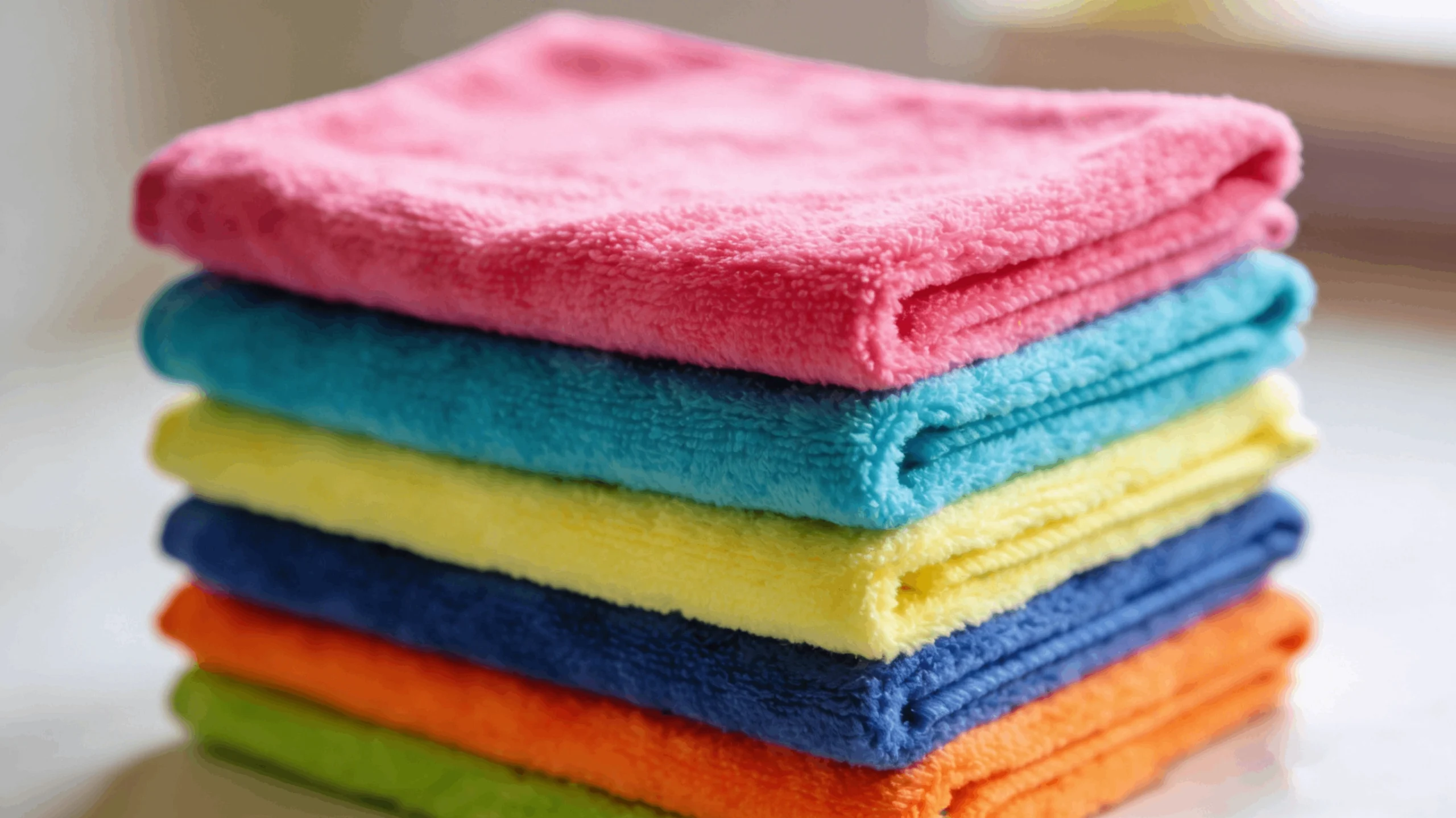
Now you know the specific type of cloth that offers the most value. But what makes this simple cloth so effective, and how can you leverage its features to benefit your customers and grow your brand? Let’s explore why this cloth is the top choice and how to get the most out of it for your business.
Why Are Plain Weave Microfiber Cloths The Top Choice For Multi-Purpose Cleaning?
The market is full of specialized cloths. This can be confusing. Do you really need a different cloth for every surface? A high-quality multi-surface cloth3 simplifies everything.
Plain weave cloths in the 250-300 GSM4 range are the best choice because their structure is perfect for trapping dust and absorbing liquids. They work on many surfaces like wood, glass, and stainless steel, making them a cost-effective, all-in-one cleaning solution.
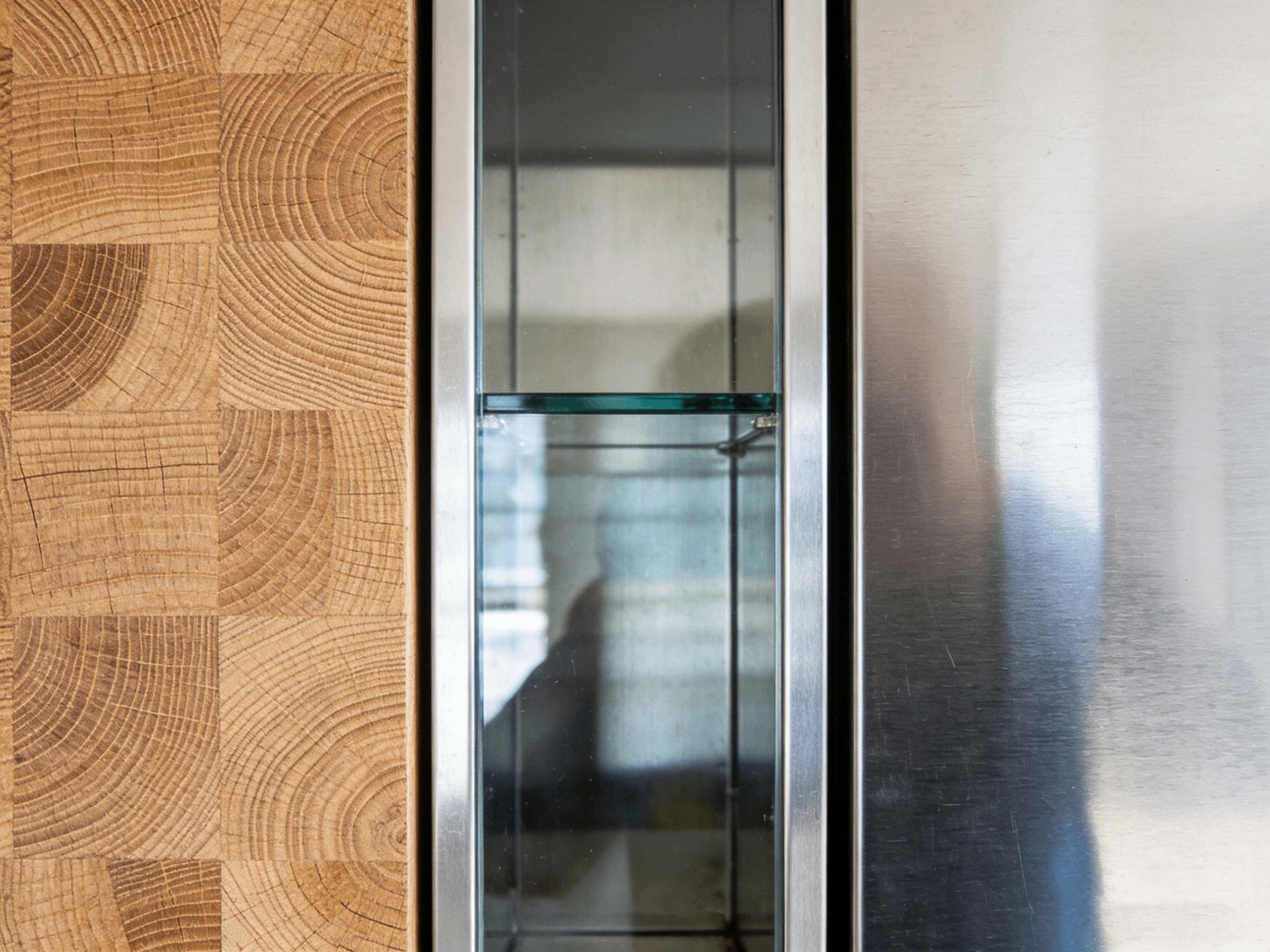
When I first started in this business, I saw manufacturers creating dozens of "specialty" cloths. There was one for glass, one for wood, one for steel. This seemed overly complicated. As a manufacturer, I realized that for most cleaning jobs, one great cloth is all you need. The secret is in the balance of the weave and weight. A plain weave is simple but effective. Its millions of tiny fibers create a huge surface area that acts like a magnet for dust and dirt.
The weight, measured in Grams per Square Meter (GSM)5, is also critical. A cloth that is too light won’t absorb well. A cloth that is too heavy becomes bulky and expensive. The 250-300 GSM range is the sweet spot. It provides excellent absorbency and durability without unnecessary cost. This makes it the ideal product for wholesalers and brands who need to offer reliable quality at a competitive price.
| Surface Type | Cleaning Effectiveness | Notes for Your Customers |
|---|---|---|
| Wood Furniture | Excellent for Dusting | Traps dust without scratching the finish. Use dry. |
| Glass & Mirrors | Streak-Free Shine | Use slightly damp with water for best results. |
| Stainless Steel | Removes Fingerprints | Polishes appliances without leaving behind lint. |
| Marble & Granite | Wipes Spills Cleanly | Highly absorbent for kitchen and bathroom countertops. |
| Plastic & Laminate | General Purpose Wiping | Safe and effective for everyday surfaces. |
How Can You Use Color-Coding To Improve Cleaning Systems?
Cross-contamination is a big concern in cleaning. Using the same cloth in the kitchen and bathroom is not hygienic. A simple color-coding system6 prevents this and adds professional value.
You can use different colored microfiber cloths for specific zones to stop the spread of germs. For example, use red for high-risk areas like bathrooms and yellow for kitchens. This simple system ensures a hygienic clean and is a great selling point.
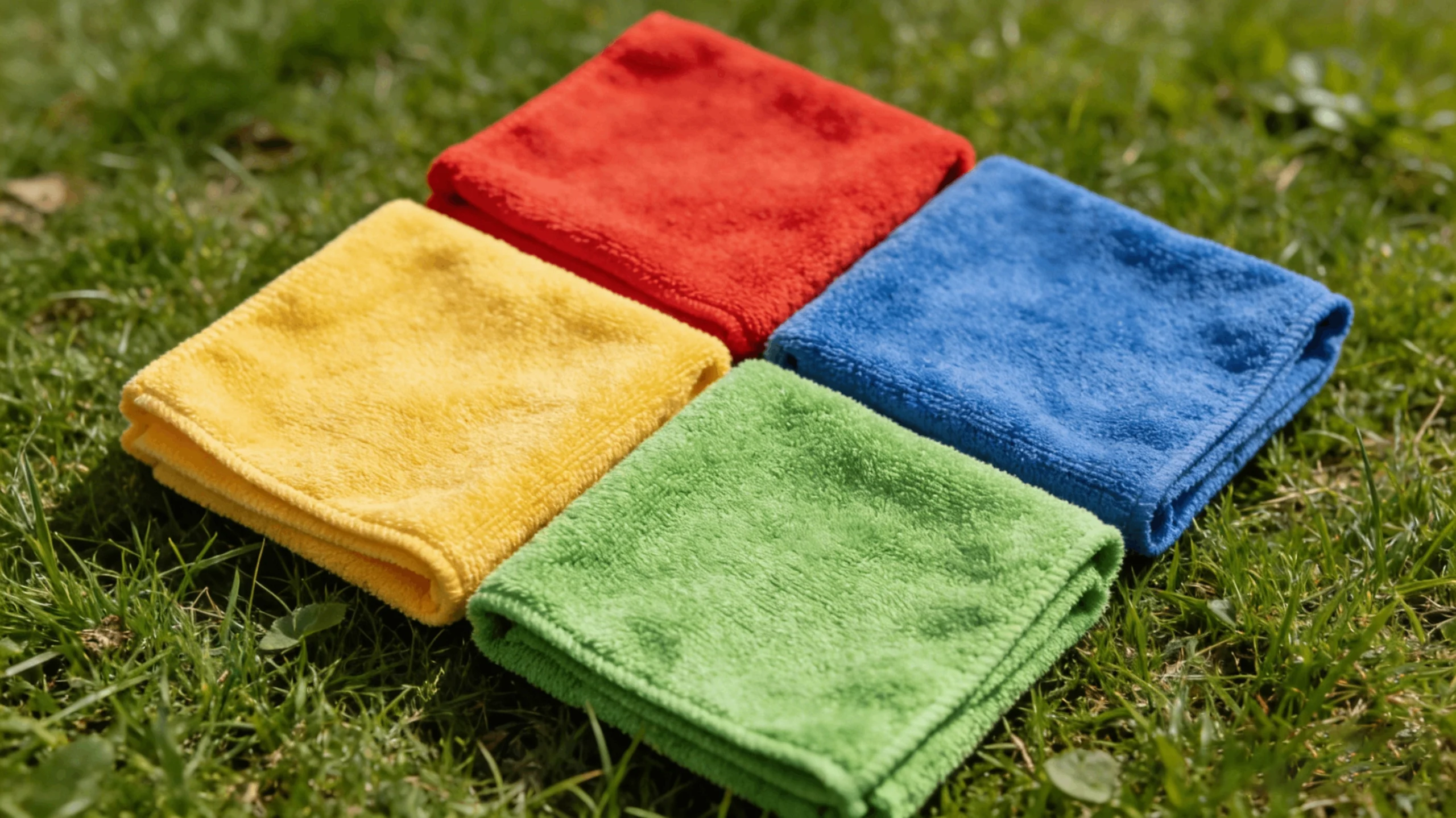
I work with many clients who sell to commercial cleaning companies and detail-oriented homeowners. One of the best features we developed together was creating color-coded cleaning kits. It’s a simple idea, but it adds immense value. It transforms a simple cloth into part of a professional cleaning system7. This is a powerful marketing tool. Your customers are no longer just buying a cloth; they are buying a smarter, safer way to clean.
This approach shows you understand your customers’ needs for hygiene. It also makes your product line look more professional and thoughtful. For my B2B clients, this is an easy way to differentiate their products from the competition without adding significant cost. You can sell them in packs, creating a higher perceived value. It’s a win for you and a win for the end-user.
| Color | Recommended Area | Rationale |
|---|---|---|
| Red | High-Risk Areas (Toilets, Bathrooms) | Signals "caution" and prevents use in other areas. |
| Yellow | Kitchen & Food Prep Areas | Keeps germs from the kitchen contained. |
| Blue | General Living Areas (Living Room, Offices) | For low-risk surfaces like glass, windows, and furniture. |
| Green | Bedrooms & Other Low-Risk Zones | Can be used for general dusting and cleaning. |
How Do You Properly Care For Microfiber Cloths To Make Them Last?
Your customers want products that last a long time. If the cloths wear out quickly, they will not buy from you again. Providing simple care instructions ensures product quality and customer happiness.
To make microfiber cloths last for hundreds of washes, wash them with a little detergent in warm water under 60°C. Never use fabric softener8 or bleach9. These things clog the fibers and ruin their cleaning power. Air drying is best.
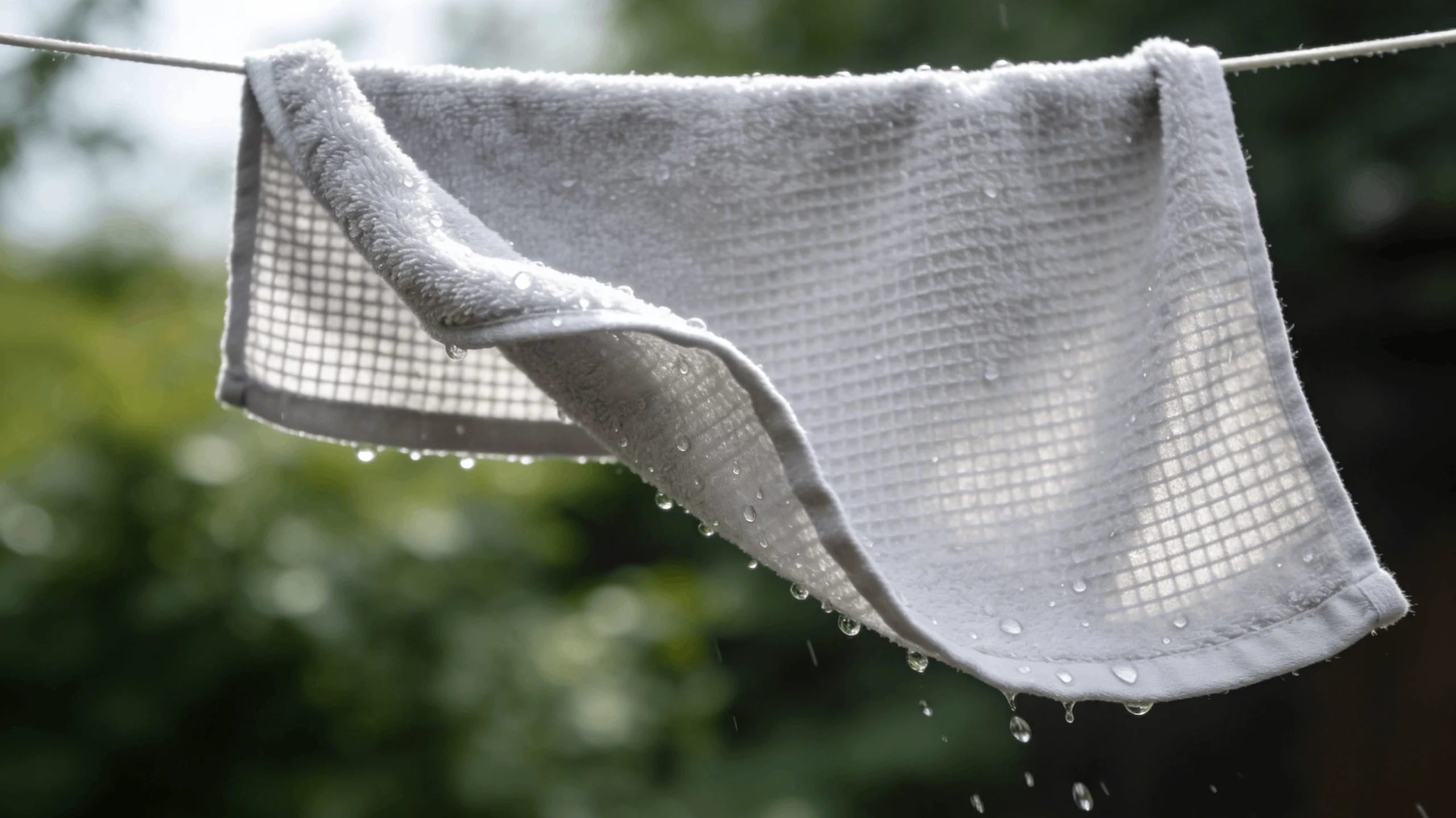
The durability of microfiber is one of its biggest selling points. I always tell my clients that a good cloth should last for at least 300 washes. But this is only true if it’s cared for correctly. The biggest mistake people make is using fabric softener. Fabric softener works by coating fibers to make them feel soft. For microfiber, this is terrible. It clogs all the tiny spaces that are supposed to trap dirt, making the cloth useless.
Bleach is also a problem because it’s a harsh chemical that can break down the delicate polyester and polyamide fibers. High heat from a dryer can literally melt the fibers, fusing them together. As a manufacturer, I advise my clients to print these simple instructions on their packaging. It helps the end-user get the most value from their purchase, which reflects well on the brand. A long-lasting product means a happy, repeat customer.
| Do | Do Not | Reason |
|---|---|---|
| Wash with regular detergent | Use Fabric Softener | It clogs the microfibers and makes them ineffective. |
| Use warm water (<60°C) | Use Bleach | It damages the delicate fibers and reduces lifespan. |
| Wash with lint-free items10 | Wash with cotton towels | Microfiber will attract and hold onto the cotton lint. |
| Air dry or tumble dry low | Use high heat11 in the dryer | High heat can melt and damage the fibers. |
Where Can You Source The Best Wholesale Microfiber Cloths?
Finding a reliable manufacturer is the biggest challenge for buyers. You can risk getting inconsistent quality, missed deadlines, and poor communication. Partnering with a source factory eliminates these risks.
For professional, factory-direct manufacturing, choose us. As a source manufacturer12, we control the entire production process. This ensures consistent quality and competitive pricing. We specialize in OEM/ODM services13, so you can customize products to fit your brand’s exact needs.

I built my business to be the solution for buyers like you. We are not a trading company. We are a source factory. That means we manage everything from the raw materials and weaving the fabric to cutting, sewing, and packaging the final product. This gives us complete control over quality. There are no surprises. You get the same high-quality product with every order.
This direct control also means we can offer full OEM/ODM customization. Do you need a specific size, weight, color, or logo tag? We can do that. Do you need custom packaging for your retail brand? We can do that too. Our goal is to be your long-term production partner. We provide the reliability of a professional factory with the flexibility you need to build your brand and serve your customers effectively. We help you get great products without the headaches.
- Factory-Direct Pricing: No middlemen means better profit margins for you.
- Full Customization: We create the exact product you need for your brand.
- Stable Supply Chain: We manage everything from start to finish for reliable delivery.
- Quality You Can Trust: We have strict quality control at every stage of production.
Conclusion
The best microfiber cloth is a simple plain weave. Use color-coding for hygiene, care for it properly to ensure it lasts, and source from a reliable factory partner like us.
-
Microfiber cleaning cloths are versatile and effective for various surfaces, making them a valuable addition to any cleaning routine. ↩
-
Plain weave cloths are simple yet effective, providing a large surface area to trap dust and dirt efficiently. ↩
-
Multi-surface cloths eliminate the need for multiple specialized cloths, offering a cost-effective cleaning solution. ↩
-
Understanding the GSM range helps in selecting cloths that offer the best balance of absorbency and durability for cleaning tasks. ↩
-
GSM is a key factor in determining the weight and absorbency of cleaning cloths, impacting their effectiveness. ↩
-
A color-coding system prevents cross-contamination, ensuring a hygienic cleaning process and adding professional value. ↩
-
A professional cleaning system enhances hygiene and efficiency, making it a valuable selling point for cleaning products. ↩
-
Fabric softener clogs the fibers of microfiber cloths, reducing their cleaning power and effectiveness. ↩
-
Bleach can damage the delicate fibers of microfiber cloths, shortening their lifespan and reducing effectiveness. ↩
-
Washing with lint-free items prevents microfiber cloths from attracting lint, maintaining their cleaning efficiency. ↩
-
High heat can melt and damage the fibers of microfiber cloths, reducing their effectiveness and lifespan. ↩
-
Partnering with a source manufacturer ensures consistent quality and competitive pricing, reducing risks in production. ↩
-
OEM/ODM services allow customization of products to fit specific brand needs, enhancing brand identity and customer satisfaction. ↩