
Sourcing the right mop cloths for Latin America can be confusing. Choosing the wrong type wastes inventory and money. I’ll break down the main types so you can source confidently.
The best flat microfiber mops1 for the Latin American market fall into two main categories: a large, plain flat cloth and a similar cloth with eyelets (holes). The choice depends entirely on the type of mop handle system your customers use, as their cleaning performance is identical.
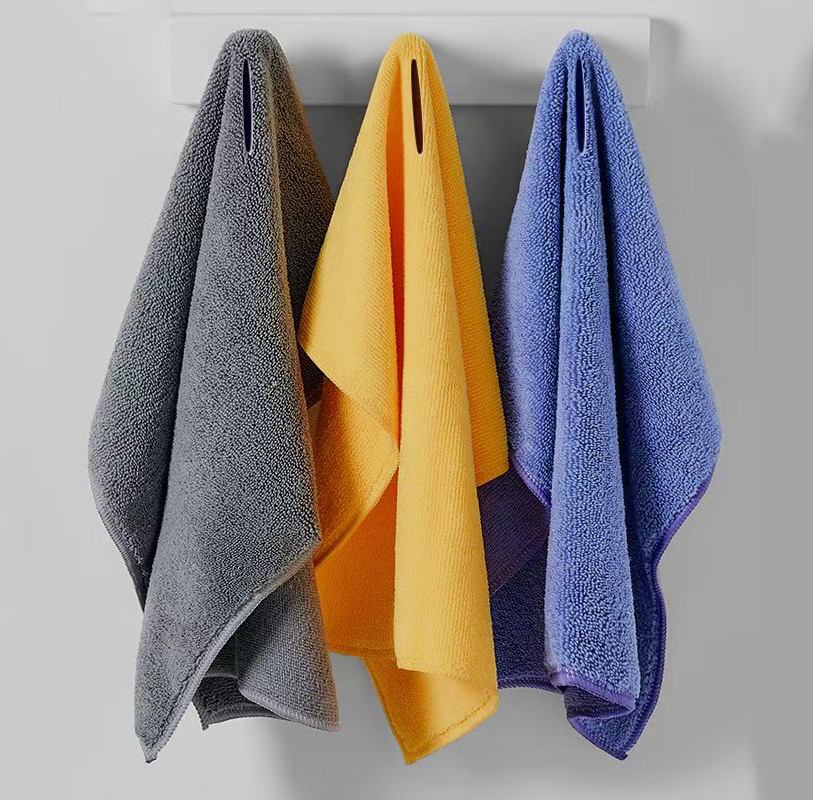
Now that you know the basics, let’s look at the details. As a manufacturer, I see how small differences in a product can make a big impact on your sales and profit margins. Understanding these details will help you build the perfect product line for your customers. Let’s start with the most important distinction.
Plain vs. Eyelet Mop Cloths2: What’s the Real Difference?
You see two mops that look almost the same, but one has holes and costs more. Is the extra cost worth it? I’ll explain which one you should choose for your market.
The only real difference is that mop cloths with eyelets are made for specific mop handle system3s common in Latin America. The cleaning performance is the same, so your choice depends on the hardware your customers use. There is no other performance-based reason for the price difference.
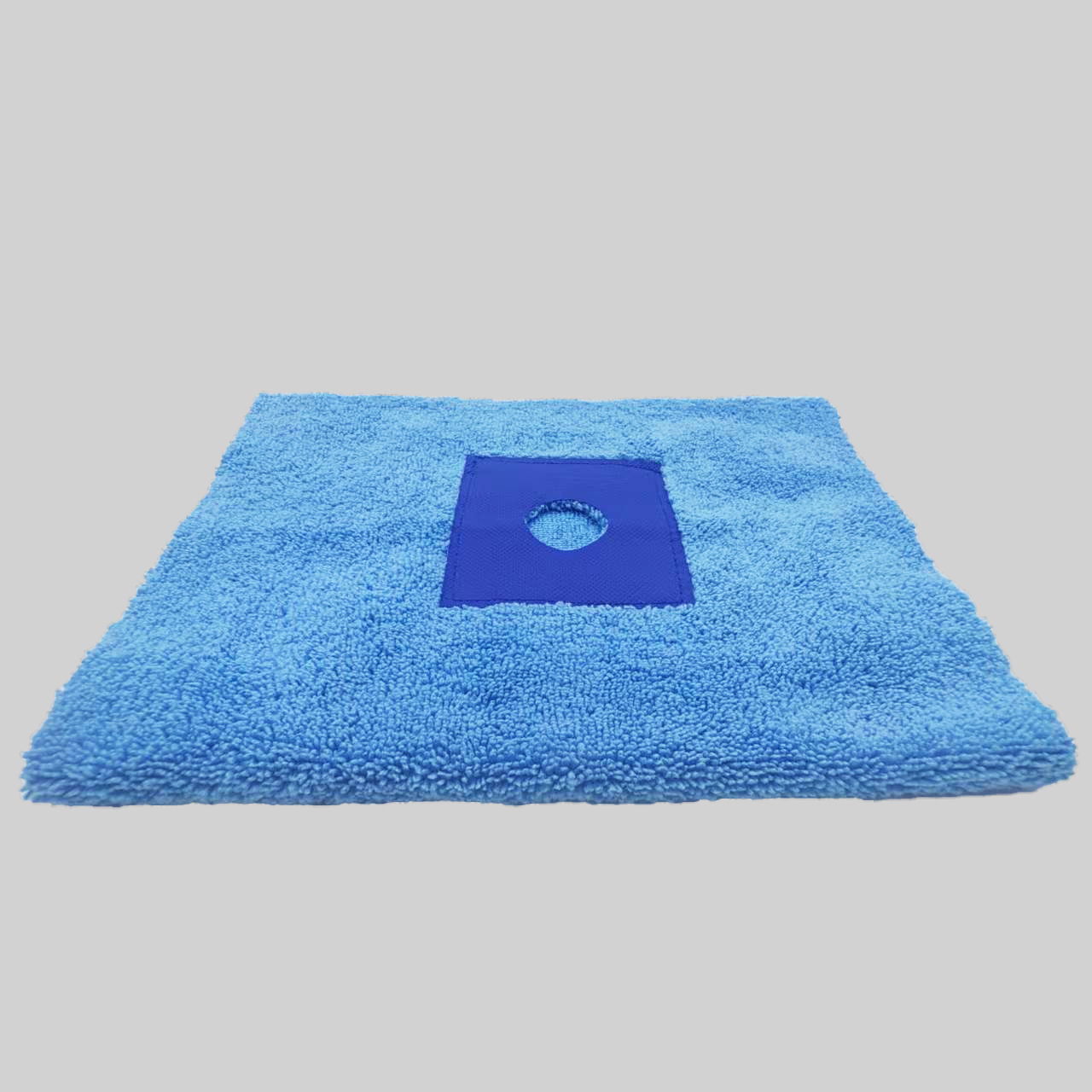
In my factory, we produce huge volumes of both types, so I know the specifics very well. The decision between them comes down to one thing: compatibility4.
Diving Deeper into the Two Main Types
Let’s break them down. Both types are typically large, with common sizes like 50x70cm or 45x72cm, and weights ranging from 200 to 300 GSM. The material and its cleaning power are the same. The difference is all in the design.
- Plain Flat Mop Cloth: This is the simpler of the two. It’s a large rectangular cloth with no holes. It’s designed to be used with mop heads that have clips or a fold-over mechanism to grip the cloth. It’s a versatile and cost-effective option.
- Mop Cloth with Eyelets: This version has holes, usually two, punched into the cloth. These eyelets are made to fit onto mop handles that have hooks or posts. The user slips the hooks through the eyelets to secure the cloth. We see high demand for this style from clients in countries like Peru and Chile.
Here is a simple table to help you decide.
| Feature | Plain Flat Mop | Mop with Eyelets |
|---|---|---|
| Compatibility | Clip-style / Fold-over heads | Hook-style / Post-style heads5 |
| Performance | Excellent absorption & cleaning | Excellent absorption & cleaning |
| Cost | Lower | Higher |
| Target Market | Broader / General Use | Specific LATAM markets (e.g., Peru, Chile) |
How Are Mop Cloth Eyelets Made, and Why Does It Affect Price?
You decided on eyelet mops, but suppliers offer different types of holes at different prices. Choosing the wrong one can lead to fraying edges, poor durability, or you might overpay.
Eyelets can be simple slits, ultrasonically cut circles, or reinforced circles. A more complex process, like adding stitching or a non-woven fabric ring, increases the cost. This extra cost also improves durability and gives the product a more premium feel.
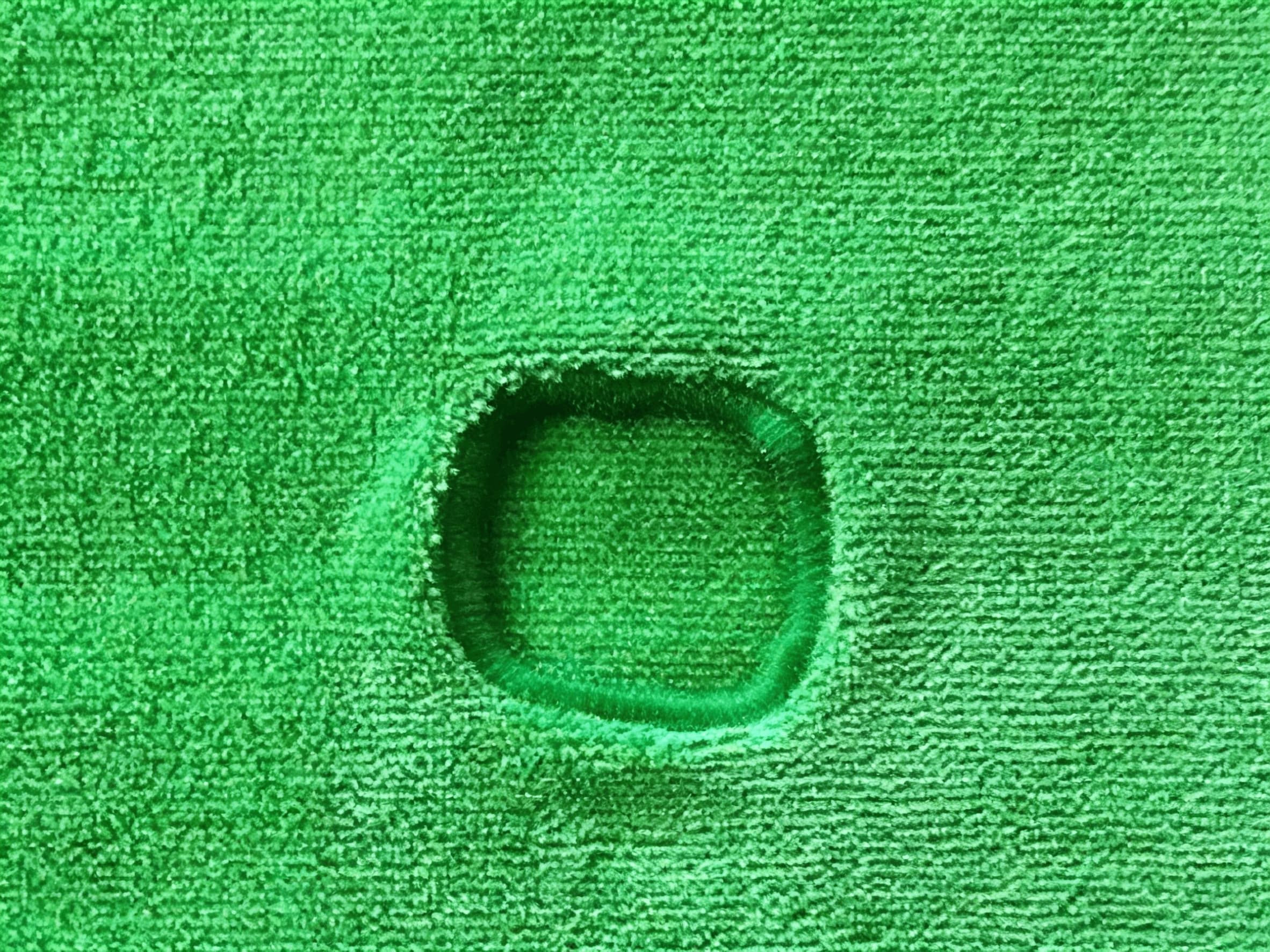
This is where the quality of a manufacturer really shows. I’ve seen many methods, and the final quality varies a lot. The most common eyelet shapes are a simple slit or a circle. A square shape is very rare. For the round holes, there are three main production methods we see in the industry.
First, there’s ultrasonic cutting6. This method uses high-frequency vibrations to cut the hole, and the heat from the process seals the edges of the microfiber. It creates a clean edge that resists fraying and is a great balance of cost and quality.
Second is the cut-and-sew method. Here, a hole is punched, and then we stitch around the edge with an overlock machine. This is very durable but adds an extra step and labor cost.
Third is the most premium option: adding a non-woven reinforcement7. We punch a hole and then bond a ring of strong non-woven fabric around it. This provides maximum durability and prevents the hole from tearing, even with heavy use. It looks very high-end, but it is also the most expensive option.
In my factory, we have a mature process for clients in Peru and Chile. We use an integrated molding process, which creates the holes as part of the initial production. This is much more efficient than factories that have to manually cut holes later. It gives us an advantage in consistency and price, especially for large orders.
| Hole Type | Manufacturing Process | Durability | Cost | Best For |
|---|---|---|---|---|
| Simple Slit | Basic die-cutting | Basic | Low | Budget-conscious buyers |
| Ultrasonic Round | Ultrasonic cutting and sealing | Good | Medium | Standard quality, good value |
| Overlocked Round | Cutting + Edge Stitching | Excellent | High | Premium brands, heavy-duty use |
| Reinforced Round | Cutting + Non-woven bonding | Superior | Highest | Top-tier products, maximum durability |
How Can You Maximize the Lifespan of Your Microfiber Mop Cloths?
Your customers complain that their microfiber mops stop working well after a few washes. This leads to bad reviews and hurts your brand’s reputation for quality and value.
To maximize lifespan, wash mop cloths with water and a little mild detergent. Never use fabric softener8 or bleach9, as these ruin the fibers. Always let the cloths air dry. With proper care, they can be reused over 200 times.
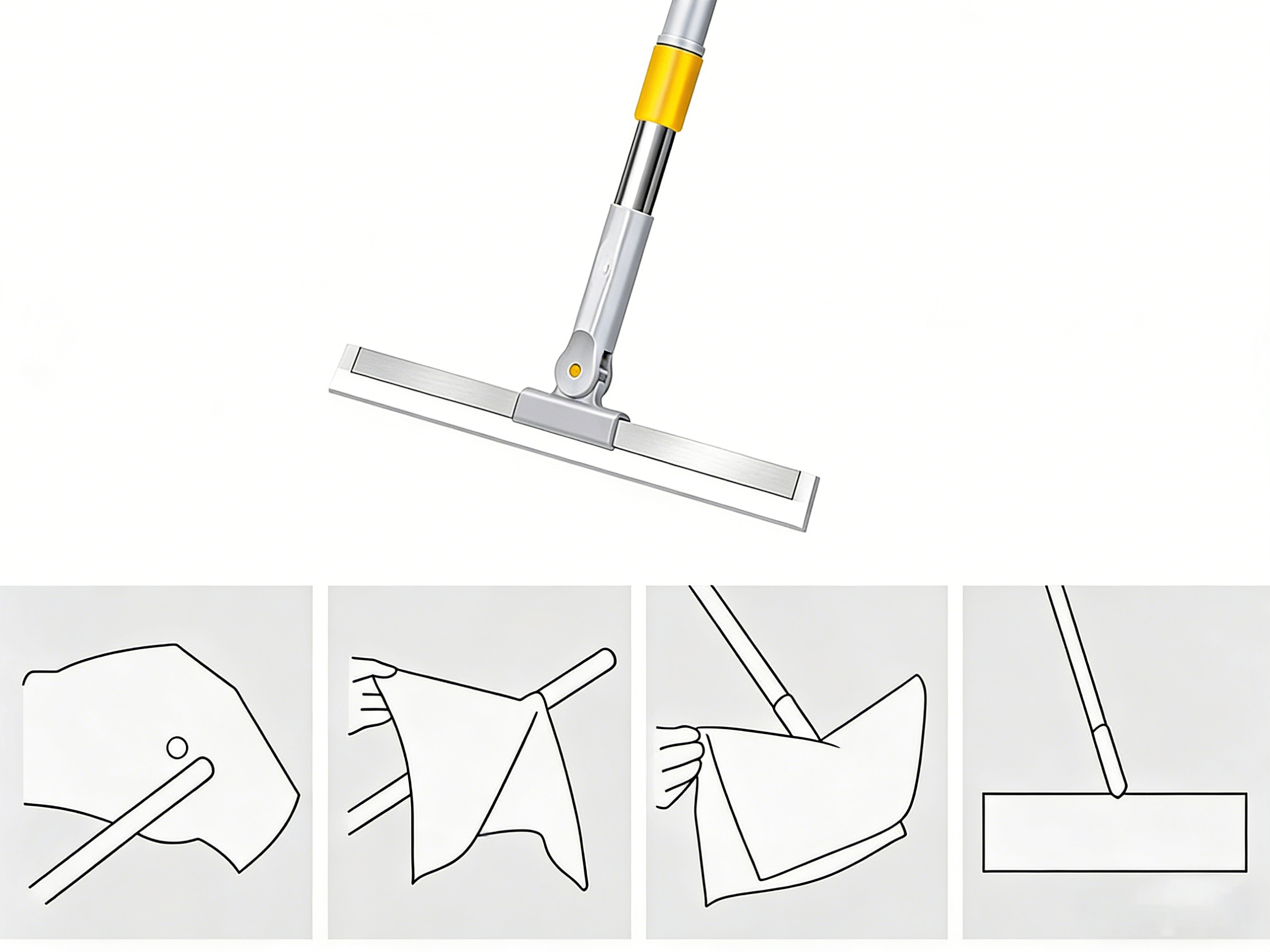
Providing proper care instructions is a simple way to add value for your customers. It helps them get the most out of their purchase and builds trust in your brand. The rules are simple, but the reasons behind them are important.
You must tell your customers to never use fabric softener. Fabric softener works by coating fibers with a waxy film to make them feel soft. For microfiber, this film clogs all the microscopic hooks and loops that trap dirt and absorb liquid. It makes the cloth completely ineffective.
You also have to avoid bleach. Bleach is a very harsh chemical that breaks down the delicate synthetic fibers (polyester and polyamide) that make up microfiber. It will cause the cloth to fall apart quickly.
Finally, avoid high heat10. A hot dryer can literally melt the plastic fibers. When the fibers melt, they fuse together and lose their soft texture and cleaning ability.
Here is a simple list of Do’s and Don’ts you can share with your customers. Following these rules will ensure a quality mop cloth lasts for 200 washes or more.
- Do:
- Wash with a small amount of mild detergent.
- Rinse with clean water.
- Air dry or tumble dry on a no-heat setting.
- Don’t:
- Use any fabric softener.
- Use any bleach.
- Dry with high heat.
Conclusion
The Latin American market primarily uses plain or eyelet flat mops. The right choice depends on the handle, not performance. For wholesale and custom orders, trust a professional partner like us.
-
Understanding the best flat microfiber mops can help you choose the right product for your cleaning needs in Latin America. ↩
-
Exploring the differences between plain and eyelet mop cloths helps in making informed purchasing decisions. ↩
-
Knowing how the mop handle system influences mop cloth selection ensures compatibility and optimal cleaning performance. ↩
-
Ensuring compatibility with mop handles is crucial for effective cleaning and avoiding unnecessary expenses. ↩
-
Learning about hook-style and post-style mop heads aids in choosing compatible mop cloths for specific systems. ↩
-
Understanding ultrasonic cutting helps in selecting mop cloths with clean, fray-resistant edges. ↩
-
Exploring non-woven reinforcement helps in selecting premium mop cloths with maximum durability. ↩
-
Avoiding fabric softener preserves the cleaning efficiency of microfiber mop cloths. ↩
-
Understanding the harmful effects of bleach helps in maintaining the quality of microfiber mop cloths. ↩
-
Avoiding high heat prevents damage to microfiber mop cloths, ensuring they remain effective. ↩