
Tired of cloths that just push dirt around? It’s frustrating to clean a surface only to see streaks and leftover dust. You need a truly clean result, not just a rearranged mess.
Microfiber cloths clean effectively because their ultra-fine fibers1 create a massive surface area. This structure, combined with a static charge2, allows them to physically grab and trap dust, dirt, and liquid deep within the cloth, rather than just pushing it across the surface.
This simple explanation is just the beginning. The science behind how these tiny threads work is actually quite impressive, and it’s why they have become essential in professional cleaning. As a manufacturer, I see the engineering that goes into these textiles every day.
Let’s break down exactly how these fibers achieve such powerful results. It’s more than just a simple piece of fabric; it’s a precisely designed cleaning tool.
How do such tiny fibers create so much cleaning power?
You wipe down a counter, but it still feels gritty. Regular cotton cloths have large fibers that miss microscopic particles. This leaves a thin layer of dust and grime behind that you can’t always see.
Microfiber’s cleaning power comes from its massive surface area3 and its ability to get into tiny crevices. Each fiber is split into even smaller strands, which physically scrape up and hold onto dust and microbes, effectively removing them from the surface.
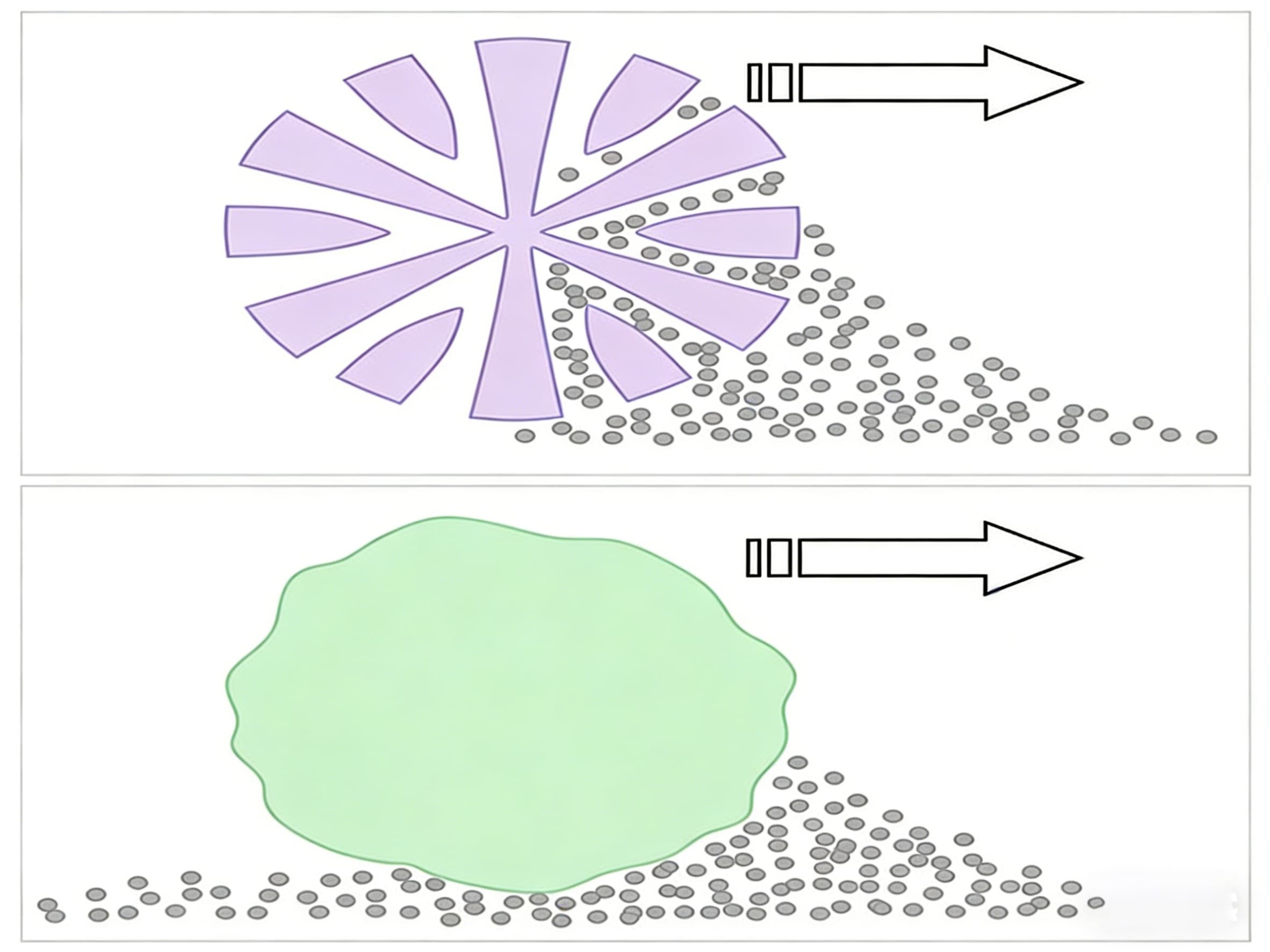
Let’s dive deeper into this. The real magic of microfiber is its physical structure. The fibers are incredibly thin, often 100 times finer than a human hair. When these fibers are woven into a cloth, they create a net-like surface with millions of contact points. Think of it like having countless tiny "hands" that reach into the microscopic pores and scratches on a surface. A normal cloth just glides over the top of these imperfections. Microfiber gets down inside them. This allows it to physically lift and trap particles like dust, pollen, and bacteria. It doesn’t rely on harsh chemicals to clean. The cloth itself does the heavy lifting. In our factory, we can engineer different weaves and fiber densities to target specific types of cleaning, from grabbing large dust bunnies to polishing delicate glass without a single streak.
Why are microfiber cloths so incredibly absorbent?
You spill a drink and grab a cloth, but it just spreads the liquid around. Many traditional cloths become saturated quickly and then stop absorbing. This creates a bigger mess and requires more towels to clean up.
Microfiber cloths are highly absorbent due to their unique star-shaped fibers4. This structure creates tiny channels that pull liquid in through a process called capillary action, trapping many times the cloth’s own weight in water or oil quickly and efficiently.
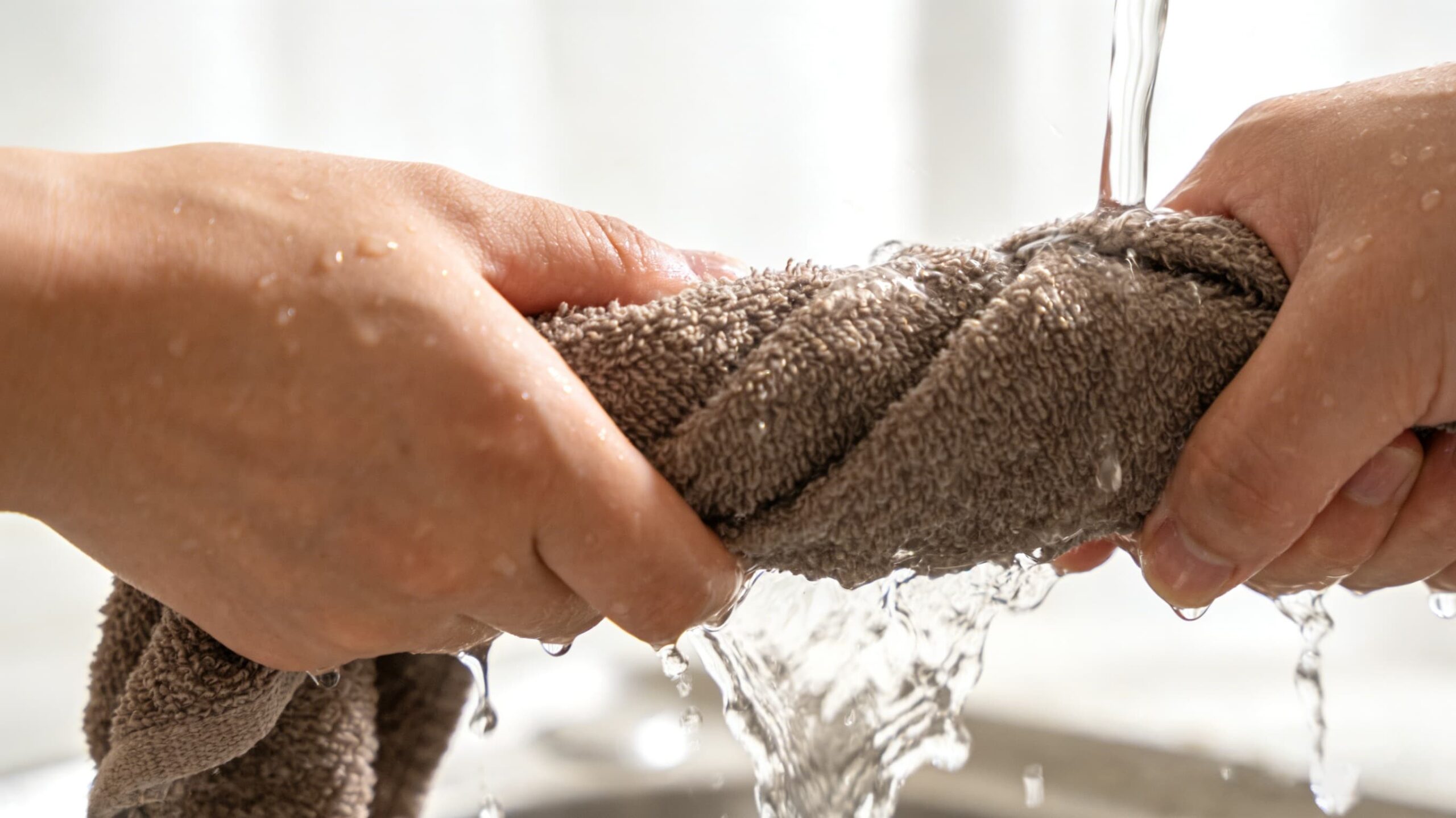
Let’s look at the science here. A standard cotton fiber is round and smooth. It absorbs water, but slowly. High-quality microfiber is different. If you look at a fiber’s cross-section under a microscope, it’s not round. It’s often shaped like a star or an asterisk. This "split fiber" design is key. The empty spaces between the points of the star create a network of micro-channels. When the cloth touches a liquid, capillary action5 immediately kicks in, pulling the moisture up into these channels. This is the same force that helps trees pull water from their roots to their leaves. Because there are millions of these fibers in a single cloth, it can absorb an incredible amount of liquid very fast. This is why microfiber is excellent for drying cars without leaving water spots or for cleaning up large spills in the kitchen. It doesn’t just hold water; it actively pulls it in and locks it away.
Can microfiber safely clean delicate surfaces like screens and car paint?
You need to clean your new TV screen or polished car, but you’re worried about scratches. Using the wrong cloth, like a rough paper towel or an old t-shirt, can cause permanent, microscopic damage to sensitive surfaces.
Yes, microfiber is one of the safest and most effective materials for cleaning delicate surfaces. Its fibers are extremely soft and fine, so they lift away dirt without scratching or leaving lint behind, making it ideal for glass, electronics, and automotive paint.

It seems strange that something so good at scrubbing dirt away can also be so gentle. The reason is the material itself. Microfiber cloths are typically made from a blend of polyester and polyamide6. These synthetic fibers are strong, but they are also exceptionally soft when processed correctly. While the split-fiber structure is aggressive at trapping dirt, the individual points of contact are too fine to scratch most surfaces. They glide smoothly while the tiny hooks and valleys do the work of capturing contaminants. I have personally used our own production-line cloths on my eyeglasses, camera lenses, and car’s paint for years. The key is to use a clean, high-quality cloth. A dirty cloth can drag around abrasive grit, which is what causes scratches. A clean microfiber cloth, however, is the professional’s choice for a reason. It provides a level of safety and effectiveness that other materials just can’t match.
| Feature | Microfiber Cloth | Cotton Cloth | Paper Towel |
|---|---|---|---|
| Gentleness | Very High | Moderate | Low (Abrasive) |
| Scratch Risk | Very Low | Low | High |
| Lint-Free | Yes | No | No |
| Best For | Screens, Lenses, Paint | General Dusting | Spills (Disposable) |
Are microfiber cloths durable and a good long-term investment?
You’re tired of buying disposable wipes or watching your cleaning cloths fall apart after a few uses. The cost adds up, and it creates a lot of waste. You need a solution that is both economical and effective over time.
Absolutely. High-quality microfiber cloths are extremely durable and can be washed and reused hundreds of times without losing their cleaning ability. This makes them a highly cost-effective and environmentally friendly7 alternative to disposable products.
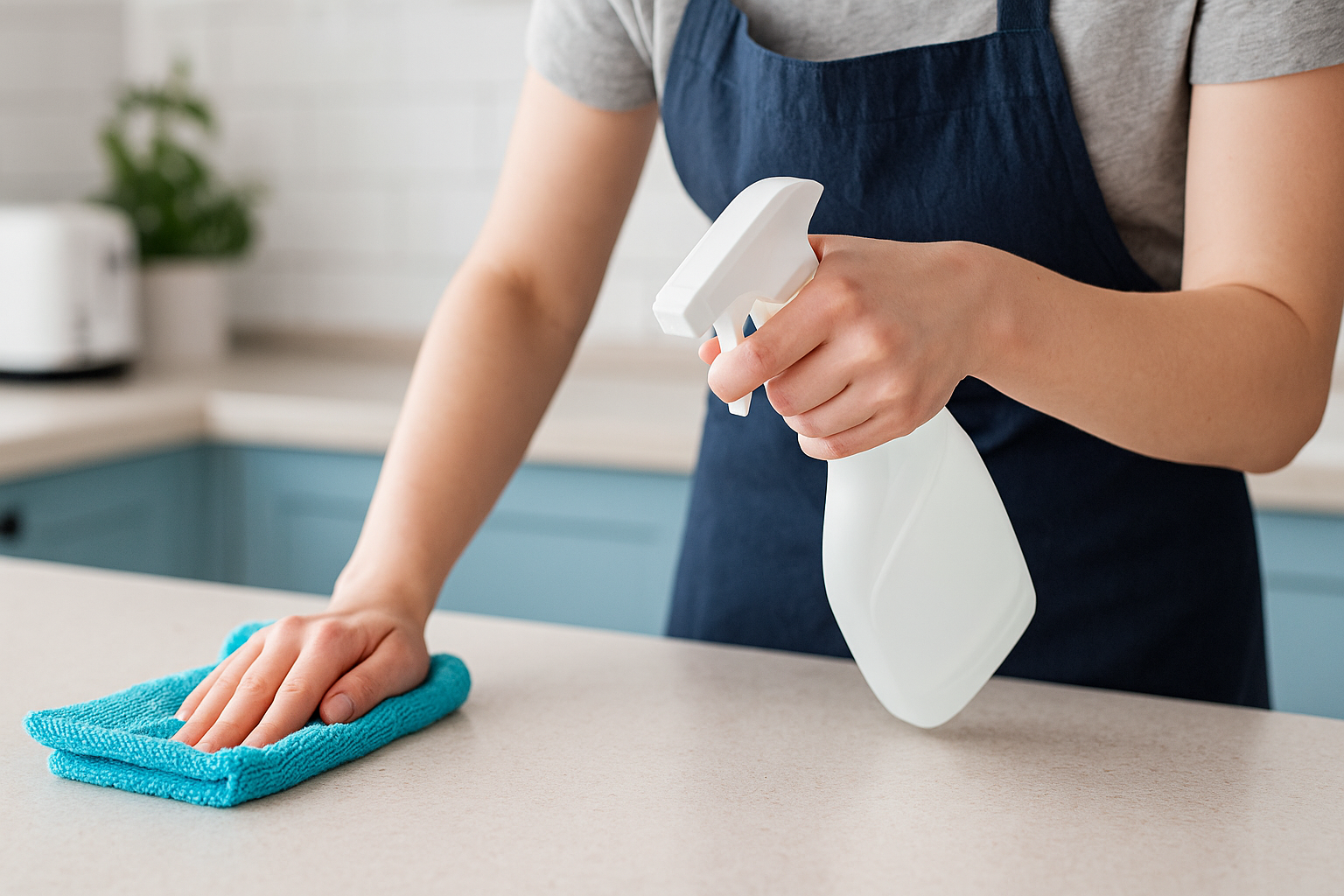
As a manufacturer, durability is a major focus for us. The strength comes from the synthetic polymers used to create the fibers. Unlike natural fibers like cotton, which can break down over time, polyester and polyamide are built to last. They resist stretching, shrinking, and tearing. When you invest in a quality microfiber cloth, you are buying a tool that will perform for years. Furthermore, their synthetic nature has another benefit: hygiene8. Microfiber dries very quickly. This rapid drying prevents the growth of bacteria, mold, and mildew that can cause bad odors in cotton cloths. You get a cleaner, more hygienic tool that is always ready to go. When you compare the one-time cost of a pack of microfiber cloths to the recurring expense of paper towels or cheap sponges, the long-term savings9 are significant. You get superior performance, reduce waste, and save money.
Conclusion
Microfiber’s unique structure provides superior, safer, and more economical cleaning. Its fine, specially shaped fibers make it a smart, effective choice for almost any cleaning task you can imagine.
-
Understanding the benefits of ultra-fine fibers can help you choose the best cleaning cloths for effective dust and dirt removal. ↩
-
Learn how static charge in microfiber cloths helps trap dust and dirt, making cleaning more efficient and thorough. ↩
-
Discover why a massive surface area in microfiber cloths leads to better cleaning results by trapping more dirt and dust. ↩
-
Learn how star-shaped fibers in microfiber cloths create channels for liquid absorption, making them highly effective for cleaning spills. ↩
-
Understand the science of capillary action in microfiber cloths and how it contributes to their high absorbency. ↩
-
Discover the advantages of using polyester and polyamide in microfiber cloths for durability and effective cleaning. ↩
-
Learn how microfiber cloths reduce waste and offer a sustainable cleaning solution compared to disposable products. ↩
-
Discover how microfiber cloths prevent bacteria growth and maintain hygiene through rapid drying. ↩
-
Explore the financial benefits of investing in microfiber cloths for effective cleaning and reduced waste over time. ↩