
Are you confused by all the different microfiber cloths? It’s hard to know which one is right for your business. This guide makes it simple to choose the perfect cloth.
Microfiber is a synthetic fabric1 made from extremely fine fibers, usually a blend of polyester and polyamide. Its special structure is excellent at trapping dust, dirt, and liquid2, making it a top choice for cleaning, drying, and polishing in many industries.
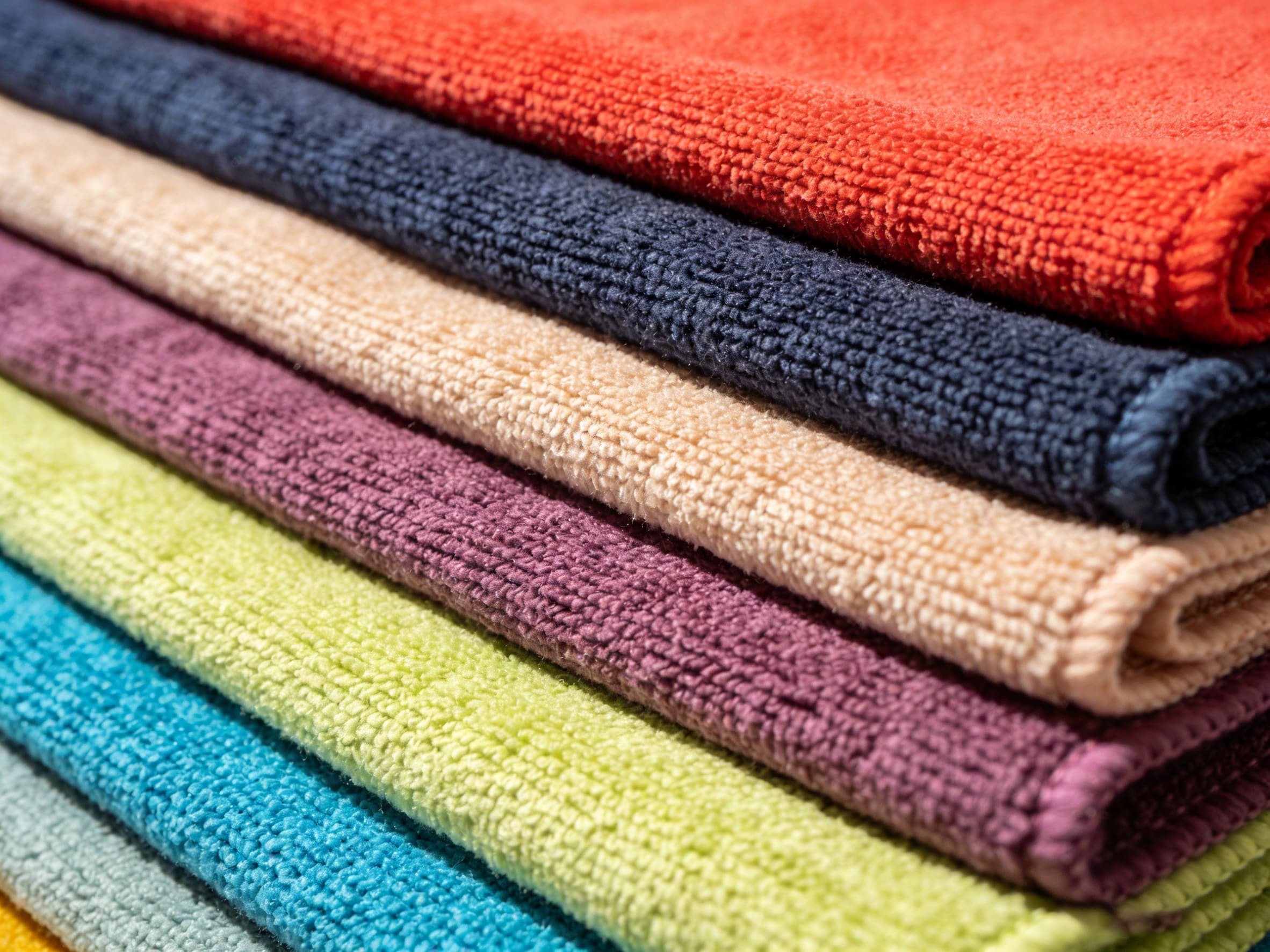
That’s the basic idea, but there is so much more to know. As a manufacturer, I work with these materials every day. I want to share my knowledge with you so you can make the best purchasing decisions for your brand. Let’s dive deeper into what makes a great microfiber cloth.
What Are The Different Types of Microfiber and Their Uses?
You see names like coral fleece3 or terry weave, but what’s the difference? Using the wrong type can lead to poor results, like leaving lint on glass or scratching a surface.
Microfiber comes in many fabric types for different jobs. For example, soft coral fleece is for bath towels, absorbent terry weave4 is for car cleaning, and smooth flat weaves are for glass and electronics. Matching the fabric to the task is key to performance.
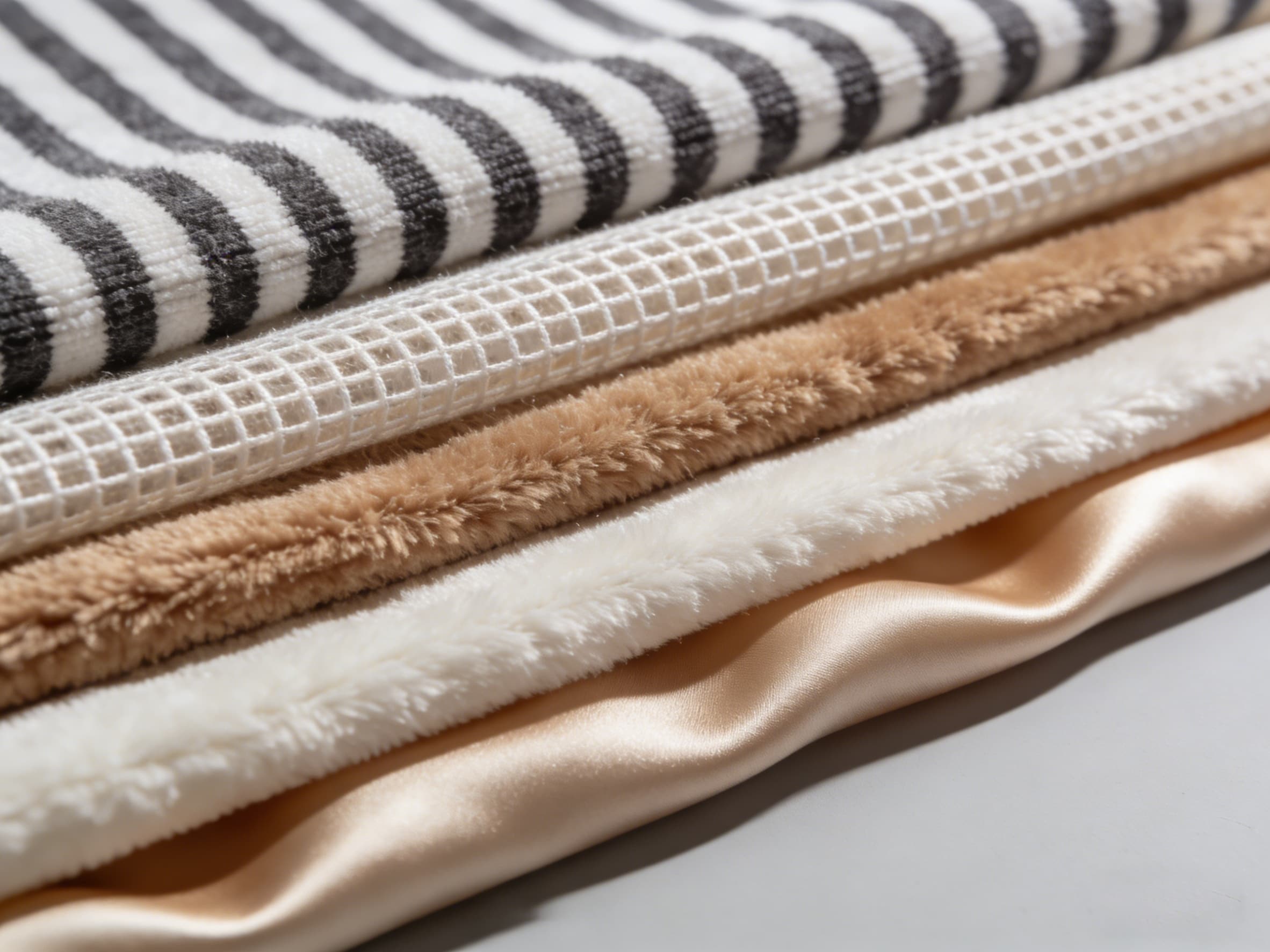
Let’s break down the most common types. You can think of microfiber as a large family of fabrics. Each one has a special skill. We call it a multi-functional cleaning cloth because it has a home in commercial, household, and industrial settings.
For my clients, choosing the right fabric is the first step. A soft, plush fabric like coral fleece is perfect for products that touch the skin, like face towels or bathrobes. A standard weft-knit terry cloth is the workhorse for car cleaning and general household chores because it’s durable and absorbent. For delicate surfaces, a flat-weave cloth5 is the best choice. It won’t leave lint behind, so it’s ideal for cleaning camera lenses, electronic screens, and glass.
Here is a simple table to help you:
| Fabric Type | Key Feature | Primary Use Case |
|---|---|---|
| Coral Fleece | Ultra-soft and plush | Bath towels, face cloths, baby products |
| Terry Weave (Weft-Knit) | Absorbent, durable loop pile | Car drying, general purpose cleaning cloths |
| Flat Weave | Lint-free and smooth | Glass, mirrors, electronic screens, lenses |
| Waffle Weave | Textured for trapping moisture | Kitchen dishcloths, drying towels |
What Really Determines a Microfiber Cloth’s Absorbency?
Have you ever bought a "microfiber" cloth that just pushes water around? It’s a waste of money when you need a product that actually absorbs. The secret is in the blend.
A cloth’s absorbency comes from its polyamide (nylon) content. A cloth made of 100% polyester will not absorb water. For good absorbency, look for blends like 80/20 or 70/30 polyester-to-polyamide6. The more polyamide, the more it absorbs.
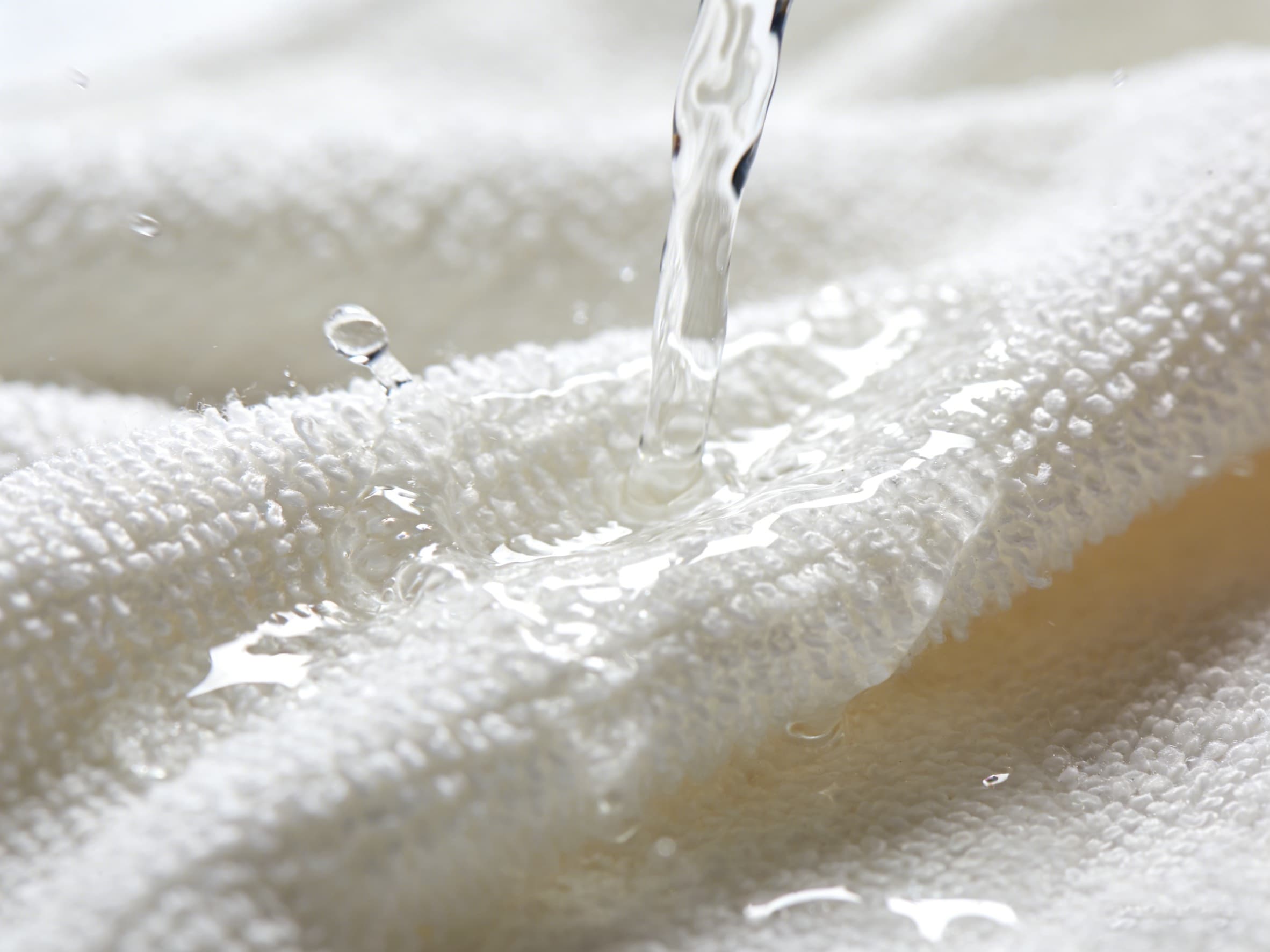
This is one of the most important things to understand when you are buying microfiber. The two main materials are polyester and polyamide. Polyester provides the structure and scrubbing power. Polyamide provides the softness and, most importantly, the absorbency.
If the tag on a cloth says "100% Polyester7," you have a dusting or polishing cloth, not a drying towel. It will not soak up water. When you see a blend like "80% Polyester, 20% Polyamide," you know it will be absorbent. This is a very common and effective blend for all-purpose cleaning cloths. For premium car drying towels, a 70/30 blend offers even better absorption. As a buyer, always check the composition. It tells you exactly what the cloth is designed to do.
Here is a quick reference:
| Blend (Polyester/Polyamide) | Absorbency Level | Best For |
|---|---|---|
| 100/0 | None | Dry dusting, polishing applications |
| 90/10 | Low | Light-duty cleaning, budget cloths |
| 85/15 | Good | General purpose cleaning |
| 80/20 | Excellent | All-purpose cleaning, car drying, spills |
| 70/30 | Maximum | Premium drying towels, high-end detailing |
How Do You Properly Wash and Care for Microfiber Cloths?
Do your microfiber cloths get stiff and useless after just a few washes? This happens when they are not cared for correctly, forcing you to replace them too often.
Wash microfiber in warm water (under 60°C) with a small amount of liquid detergent. Never use fabric softener or bleach, as these ruin the fibers. You can machine wash8 them, but always air dry for the best results and longest life.
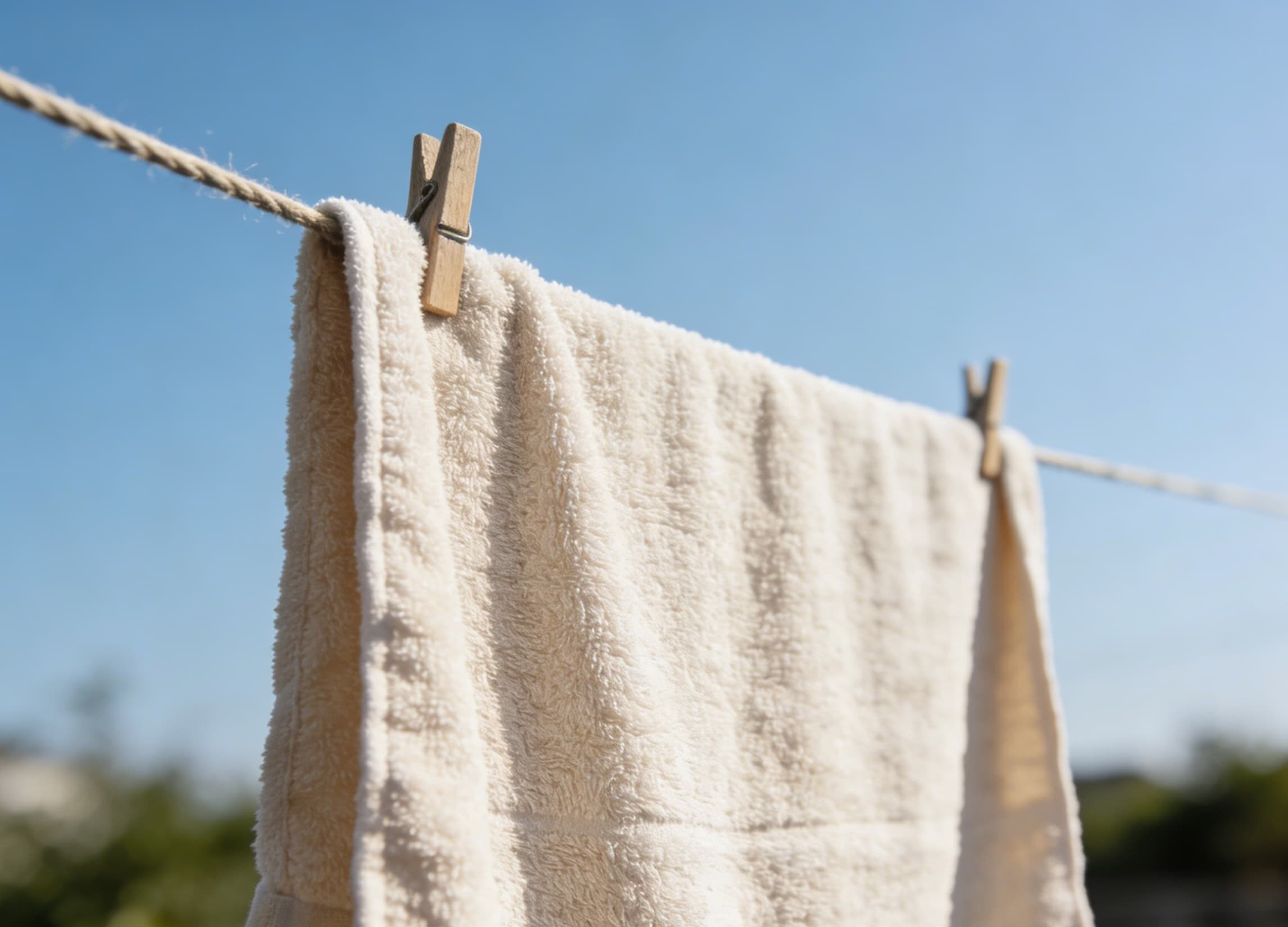
Proper care is simple and can make a huge difference. A high-quality microfiber cloth can be washed and reused around 300 times if you follow a few basic rules. This is a major selling point for your customers, as it offers great value and reduces waste.
First, always wash microfiber cloths separately from other laundry, especially cotton. Cotton sheds lint, which will clog the microfiber. Second, use warm, not hot, water. High heat can damage the fine fibers. Third, use only a small amount of a simple liquid detergent. Powdered detergents can sometimes leave a residue.
The most important rule is what not to do. Never use fabric softener9. It coats the fibers and completely removes their ability to absorb water and trap dirt. Also, never use bleach, which can break down the fibers and shorten the cloth’s lifespan. Finally, it’s best to let them air dry. If you must use a machine, use the lowest heat setting or a no-heat tumble dry.
Are Microfiber Cloths Safe and Eco-Friendly?
You might worry about the safety of synthetic products or their impact on the planet. Using an unsafe product could harm your customers and your brand’s reputation. It’s important to know the facts.
High-quality microfiber is safe if it comes from a reputable supplier with certifications like REACH or OEKO-TEX10. While not biodegradable, its long life (300+ uses) makes it eco-conscious by reducing the use of disposable paper towels.
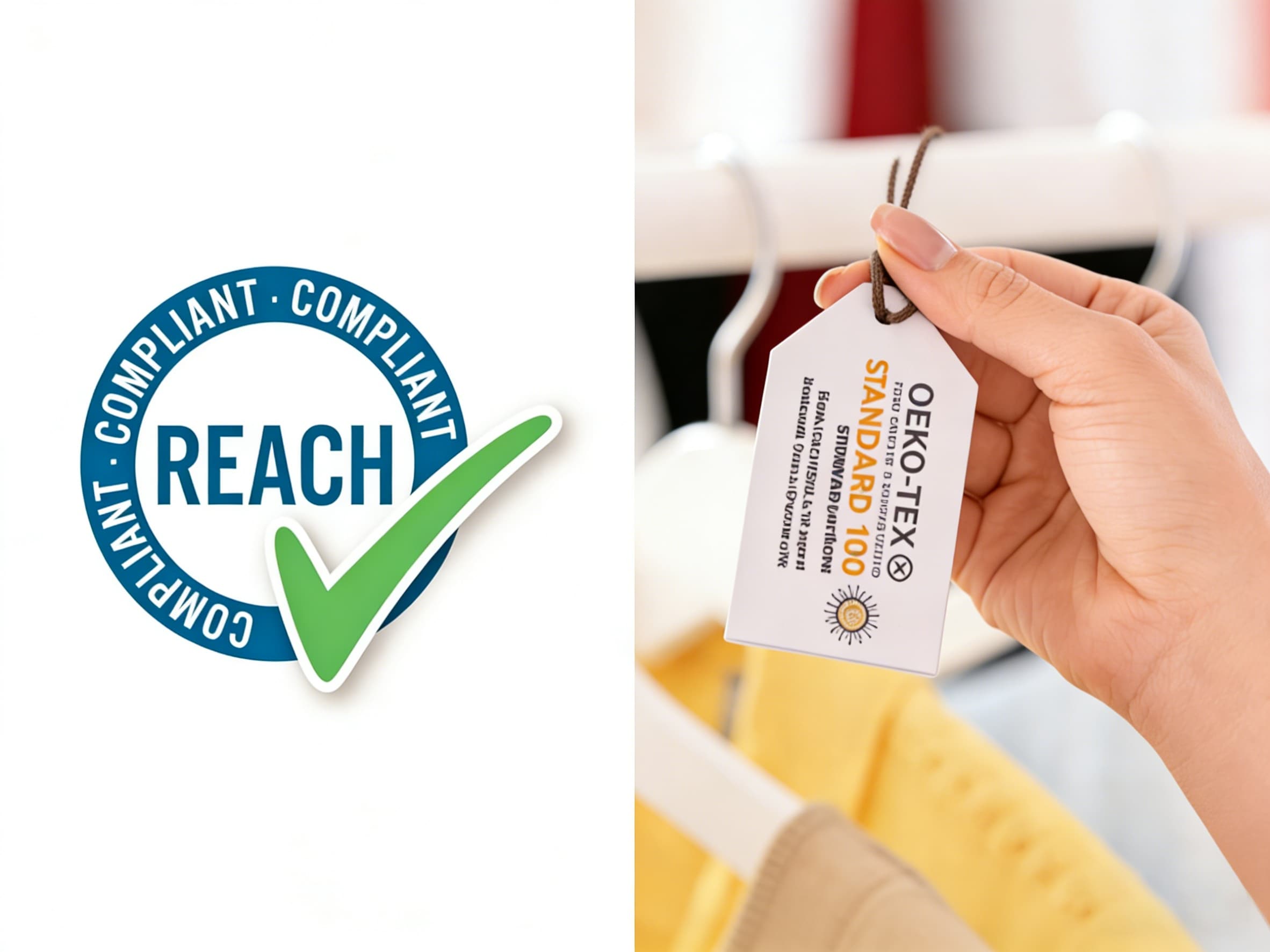
Let’s talk about safety first. A microfiber cloth is only as safe as the materials used to make it. Some manufacturers may use low-quality threads or unsafe dyes. This is why you must ask your supplier for safety reports like REACH or OEKO-TEX 100. These tests prove the product is free from harmful substances.
I learned the importance of safety checks the hard way. Early in my career, a customer found a piece of a broken needle in a cloth, which had come from a weaving machine. It injured their finger. I was horrified. From that day on, I implemented a mandatory needle detection process11 for all of our products. This ensures nothing sharp ever leaves my factory.
Now for the environment. I’ll be direct: microfiber is a type of plastic, and it does not biodegrade. If a supplier tells you their standard microfiber is biodegradable, they are not being honest. However, there is an eco-friendly angle: reusability. One cloth can replace hundreds or even thousands of paper towels over its lifetime. There is also a material called rPET12, which is made from recycled plastic bottles. It’s still not biodegradable, but it gives waste a new purpose.
What Does GSM13 Mean and Why Does It Matter for Microfiber Cloths?
You see numbers like 200 GSM or 400 GSM on product specs. If you don’t know what this means, you might order a thin, cheap-feeling cloth when you really needed a thick, premium one.
GSM stands for "Grams per Square Meter." It is a measurement of the fabric’s weight and density. A higher GSM number means a thicker, plusher, and generally more absorbent cloth. Lower GSM cloths are thinner and lighter.
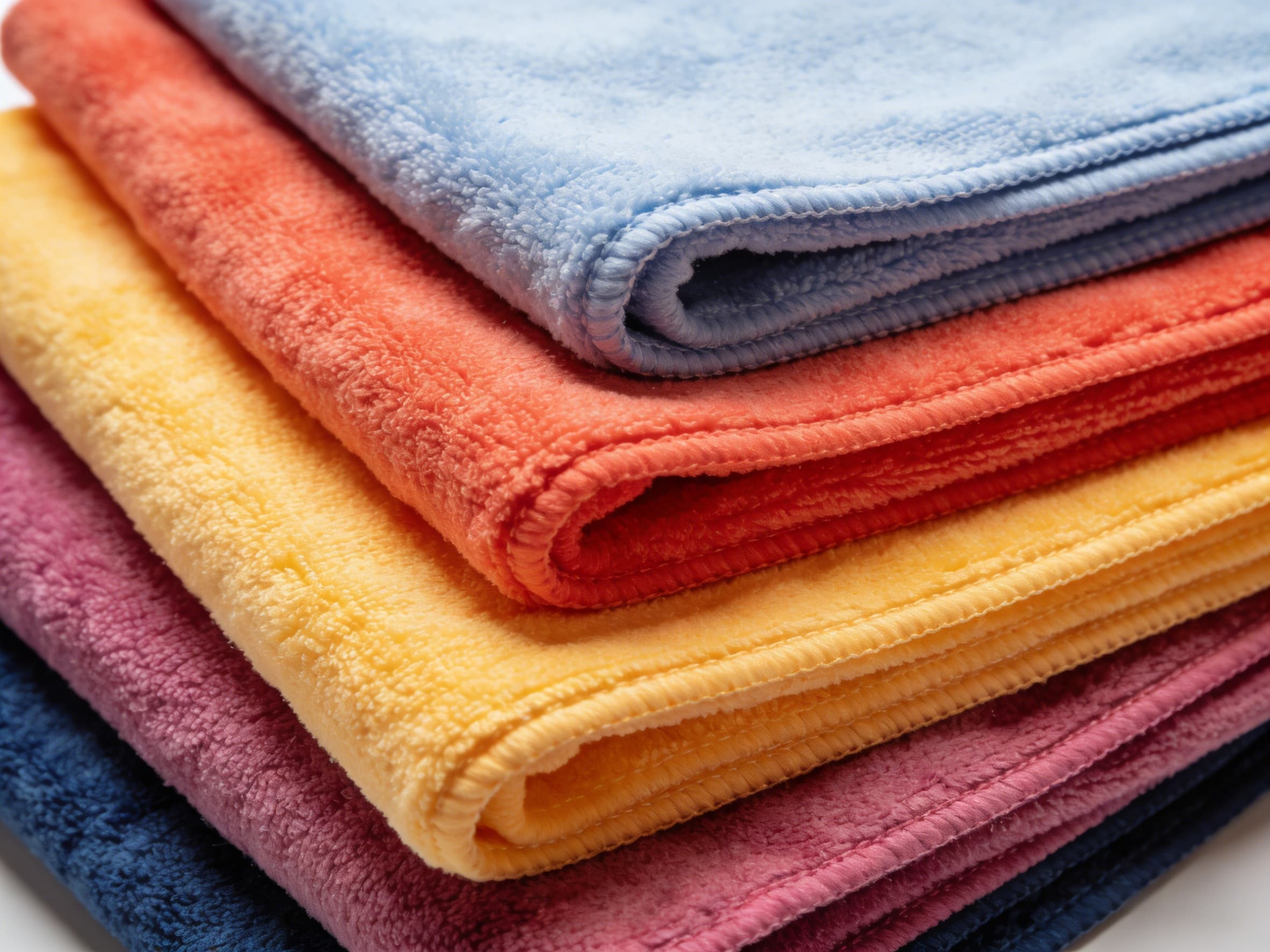
Think of GSM like the weight of paper. A higher number means a more substantial and higher-quality feel. It’s a key factor that determines the cloth’s thickness, feel, and absorption capacity. A thick, heavy cloth has more fibers to soak up water and trap dirt.
For a buyer, understanding GSM helps you match the product to your target market and price point. If you are developing a premium car care line, a towel with 400 GSM or higher will give your customers that thick, luxurious feel they expect. If you are creating a budget-friendly multi-pack of kitchen cloths, a 220 GSM might be the perfect balance of performance and cost. For extreme drying power, some specialty detailing towels can go as high as 600 or even 1200 GSM.
Here’s a guide to common GSM ranges:
| GSM Range | Description | Common Applications |
|---|---|---|
| 180-250 gsm14 | Thin and lightweight | Basic cleaning, glass cloths, promotional items |
| 300-400 gsm15 | Thick and absorbent | All-purpose cleaning, car detailing, quality towels |
| 450-600 gsm16 | Very thick and plush | Luxury drying towels, buffing cloths |
| 600-1200 gsm17 | Extremely dense and heavy | Specialized auto detailing, maximum absorbency |
Conclusion
Understanding microfiber’s blend, fabric type, and GSM is key. Proper care ensures a long life. Partnering with a knowledgeable supplier who guarantees safety and quality is crucial for your business’s success.
-
Understanding synthetic fabric helps you choose the right materials for cleaning and other applications. ↩
-
Learn how microfiber’s unique structure makes it effective for cleaning and polishing. ↩
-
Discover why coral fleece is ideal for bath towels and products that touch the skin. ↩
-
Explore the benefits of terry weave for car cleaning and general household chores. ↩
-
Find out how flat-weave cloth prevents lint and scratches on glass and electronics. ↩
-
Discover the ideal blend for effective water absorption in microfiber cloths. ↩
-
Understand why 100% polyester is suitable for dusting and polishing, not drying. ↩
-
Learn the proper washing techniques to extend the life of microfiber cloths. ↩
-
Discover how fabric softener can ruin the absorbency of microfiber cloths. ↩
-
Ensure your microfiber products are safe and free from harmful substances. ↩
-
Ensure safety by understanding how manufacturers prevent sharp objects in products. ↩
-
Explore the eco-friendly aspect of using recycled plastic in microfiber production. ↩
-
Understand how GSM affects the thickness, feel, and absorbency of microfiber cloths. ↩
-
Learn why thinner GSM cloths are suitable for basic cleaning and promotional items. ↩
-
Discover why this GSM range is ideal for all-purpose cleaning and car detailing. ↩
-
Find out why thicker GSM cloths are perfect for luxury drying and buffing. ↩
-
Explore the extreme drying power and specialized uses of high GSM microfiber cloths. ↩