
Are you confused about the best way to use your microfiber mop1? Using it wrong can leave your floors streaky or still dirty. Let’s fix that.
You can use a microfiber mop both wet and dry. Use it dry for dusting and picking up light debris like hair and dust. Use it damp (not soaking wet) for deeper cleaning to remove grime, spills, and stains from your floors.
I get this question a lot from new clients. They’ve just received a shipment of our high-quality microfiber mops and want to know the secret to getting those perfect, streak-free floors2 they see in commercials. The truth is, there’s no single "right" way. The real magic of microfiber is its versatility. It’s designed to work brilliantly in different situations. For years, I’ve helped buyers like Tom in Europe understand that the key isn’t choosing one method over the other, but knowing when to use each one. It all comes down to what you’re trying to clean. Let’s break it down so you can get the most out of your mop every single time.
Should you use a microfiber mop dry?
Tired of dust flying everywhere when you sweep? A traditional broom often just pushes dirt around, making more work for you. It’s frustrating when you’re trying to clean quickly.
Yes, you should use a microfiber mop dry for daily dusting. The dry fibers create a static charge3 that attracts and traps dust, pet hair, and other small particles instead of scattering them. It works like a magnet for dust on your floors.
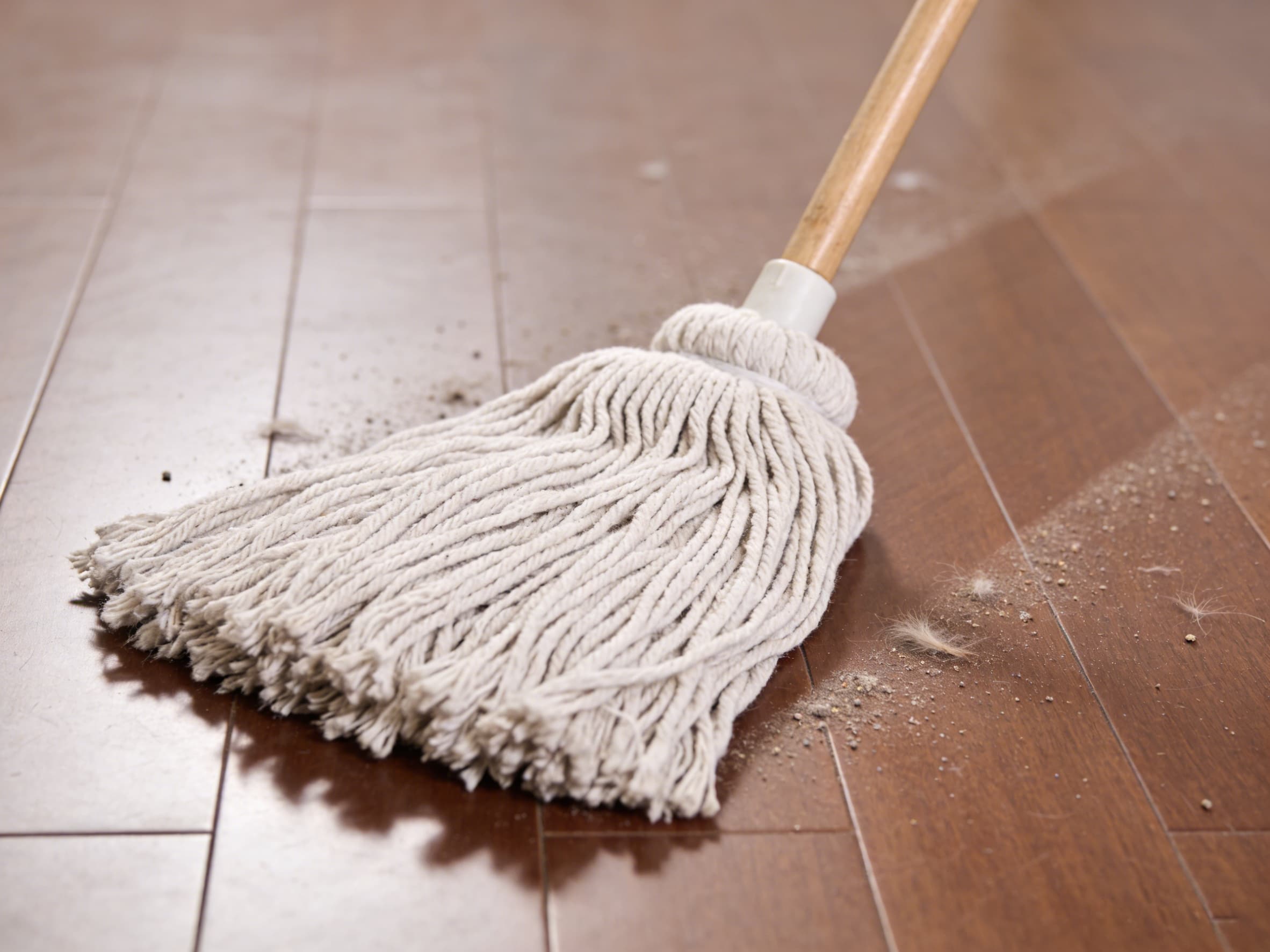
When I first started in this business, I thought mops were only for wet cleaning. But then I saw how effective a dry microfiber mop was. It completely changed my perspective. The secret is static electricity. As you push the dry mop across the floor, the friction between the millions of tiny fibers and the surface creates a static charge. This charge actively pulls in and holds onto dust, hair, and allergens. It doesn’t just push them around like a broom. This makes it an amazing tool for quick cleanups and for people with allergies. I always tell my clients, especially those developing product lines for allergy-sufferers, that this is a major selling point. It’s not just cleaning; it’s trapping pollutants.
Why Dry Mopping Works
The effectiveness of dry mopping comes down to two key things: the material and the method.
- Static Cling: The split fibers4 of microfiber generate a natural static charge.
- Surface Area: Each fiber is incredibly fine, creating a huge surface area to trap particles.
Here’s a simple breakdown of when dry mopping is your best option:
| Task | Why Dry Mopping is a Good Choice |
|---|---|
| Daily Dusting | Quickly picks up dust, pet hair, and crumbs without chemicals. |
| Pre-Cleaning | Removes loose debris before wet mopping for a better final result. |
| Hardwood Floors | Safely cleans sensitive floors without risking water damage. |
| Allergy Control | Traps allergens like dust mites and pollen instead of kicking them up. |
Think of it as the first step in a two-step cleaning process. You wouldn’t wash a muddy car without rinsing it first, right? The same logic applies to your floors. Dry mopping first makes wet mopping much more effective.
Should you use a microfiber mop wet?
Are your floors left with sticky spots or faint stains even after mopping? Using too much water or the wrong technique can leave a residue behind, making floors look dull.
Yes, use a slightly damp microfiber mop for a deep clean. The fibers excel at lifting and trapping stubborn dirt, grease, and grime. Just wring it out well. A mop that’s too wet will leave streaks and can damage sensitive flooring.
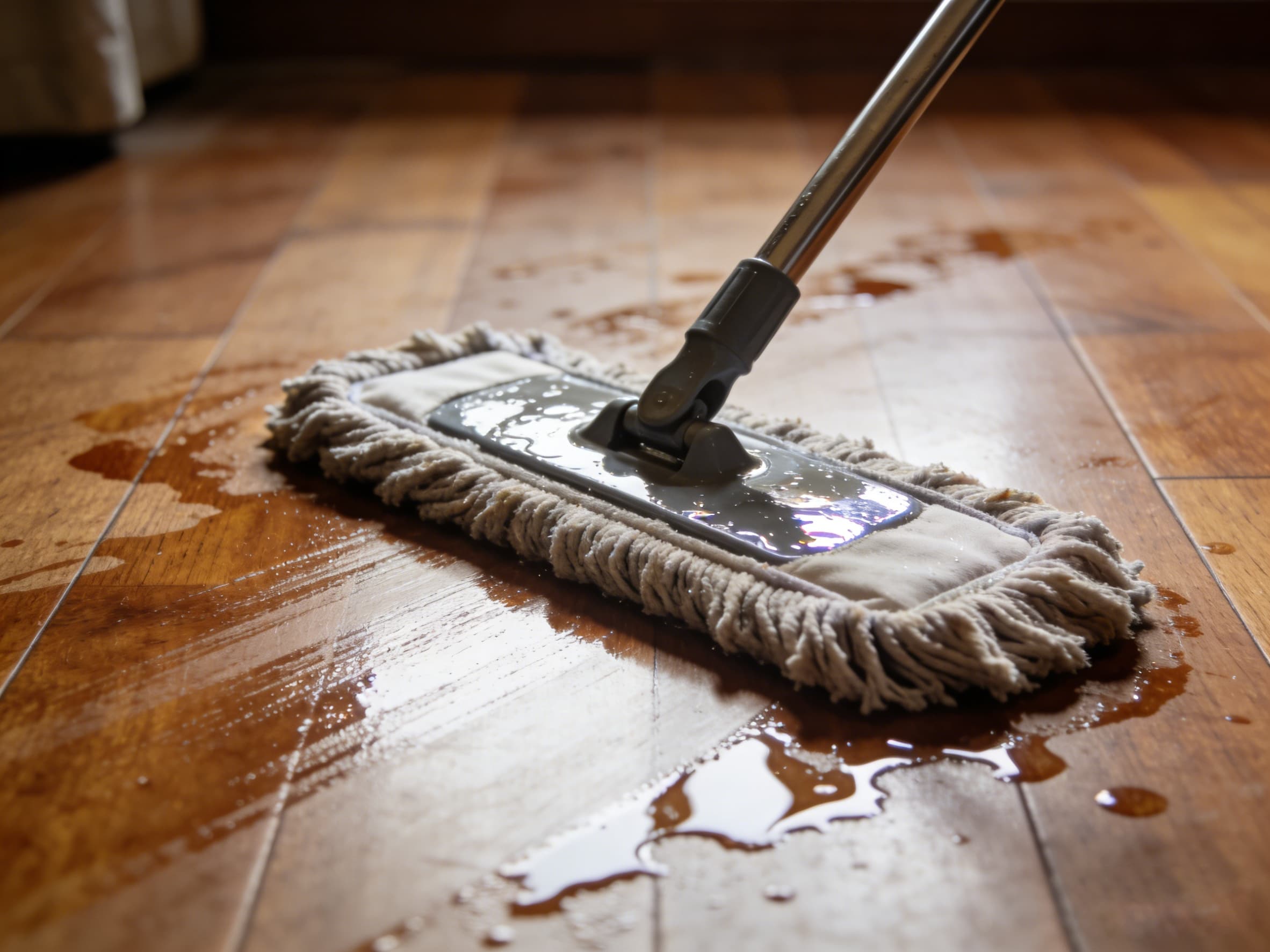
This is where microfiber really shines. I remember a client, a purchasing manager for a large distributor, was skeptical. He thought all mops were basically the same. I sent him a sample of our mop cloths and told him to try it with just water. He called me back a week later, completely amazed. He said it cleaned up a dried coffee spill that his old cotton mop couldn’t touch. The science behind this is capillary action5. The tiny spaces between the split fibers pull in and hold onto water and dirt particles. This allows the mop to scrub away grime effectively without needing harsh chemicals or a ton of water. This is a huge benefit for our B2B clients who are creating eco-friendly product lines6. It saves money on cleaning solutions and is better for the environment.
How to Wet Mop Correctly
Getting the perfect dampness is key. Too wet, and you’re just pushing dirty water around. Too dry, and it won’t have enough power to lift grime.
- Get it Wet: Soak the mop head in a bucket of clean water. You can add a small amount of a pH-neutral cleaner7 if needed.
- Wring it Out: This is the most important step. Wring the mop head out until it is just damp to the touch. It should not be dripping at all.
- Mop the Floor: Mop in a figure-eight pattern8. This keeps the dirt collected on the leading edge of the mop and prevents you from just spreading it around.
- Rinse Often: For larger areas or very dirty floors, rinse the mop head frequently in your bucket to release the trapped dirt. Then wring it out again before continuing.
Here’s a look at the benefits of wet mopping with microfiber:
| Feature | Benefit for You |
|---|---|
| High Absorbency | Lifts and locks in spills and grime instead of spreading them. |
| Scrubbing Power | Removes sticky messes and tough stains with minimal effort. |
| Less Water Needed | Floors dry faster, reducing slip hazards and preventing water damage. |
| Works with Just Water | Effectively cleans most surfaces without needing harsh chemicals. |
For our clients like Tom in Europe, who need products that meet high standards, the ability to clean effectively with less water and fewer chemicals is a massive advantage. It aligns with consumer demand for safer, more sustainable cleaning solutions.
Conclusion
So, should you use a microfiber mop wet or dry? The answer is both. Use it dry for dusting and light cleaning, and use it damp for deeper, more powerful cleaning.
-
Understanding the basic functionality of microfiber mops can help you choose the right cleaning tool for your needs. ↩
-
Learn techniques to ensure your floors are spotless and streak-free using microfiber mops. ↩
-
Discover how static electricity enhances the cleaning power of microfiber mops for dust and allergens. ↩
-
Explore the significance of split fibers in microfiber mops for effective cleaning. ↩
-
Understand the science behind capillary action and its role in deep cleaning with microfiber mops. ↩
-
Find out how microfiber mops contribute to sustainable cleaning practices and eco-friendly product lines. ↩
-
Learn about the benefits of using pH-neutral cleaners with microfiber mops for safe and effective cleaning. ↩
-
Discover the advantages of using a figure-eight pattern for efficient and thorough mopping. ↩