
Getting streak-free car windows can be a real headache. You try to clean them, but you just end up with smudges and lint. It’s frustrating and can even be unsafe.
Yes, microfiber towels are excellent for car windows, but you must use the right kind. The best choice is a dedicated, low-pile glass cleaning cloth1. This type of cloth cleans and polishes without leaving behind lint or streaks, giving you a perfectly clear view.
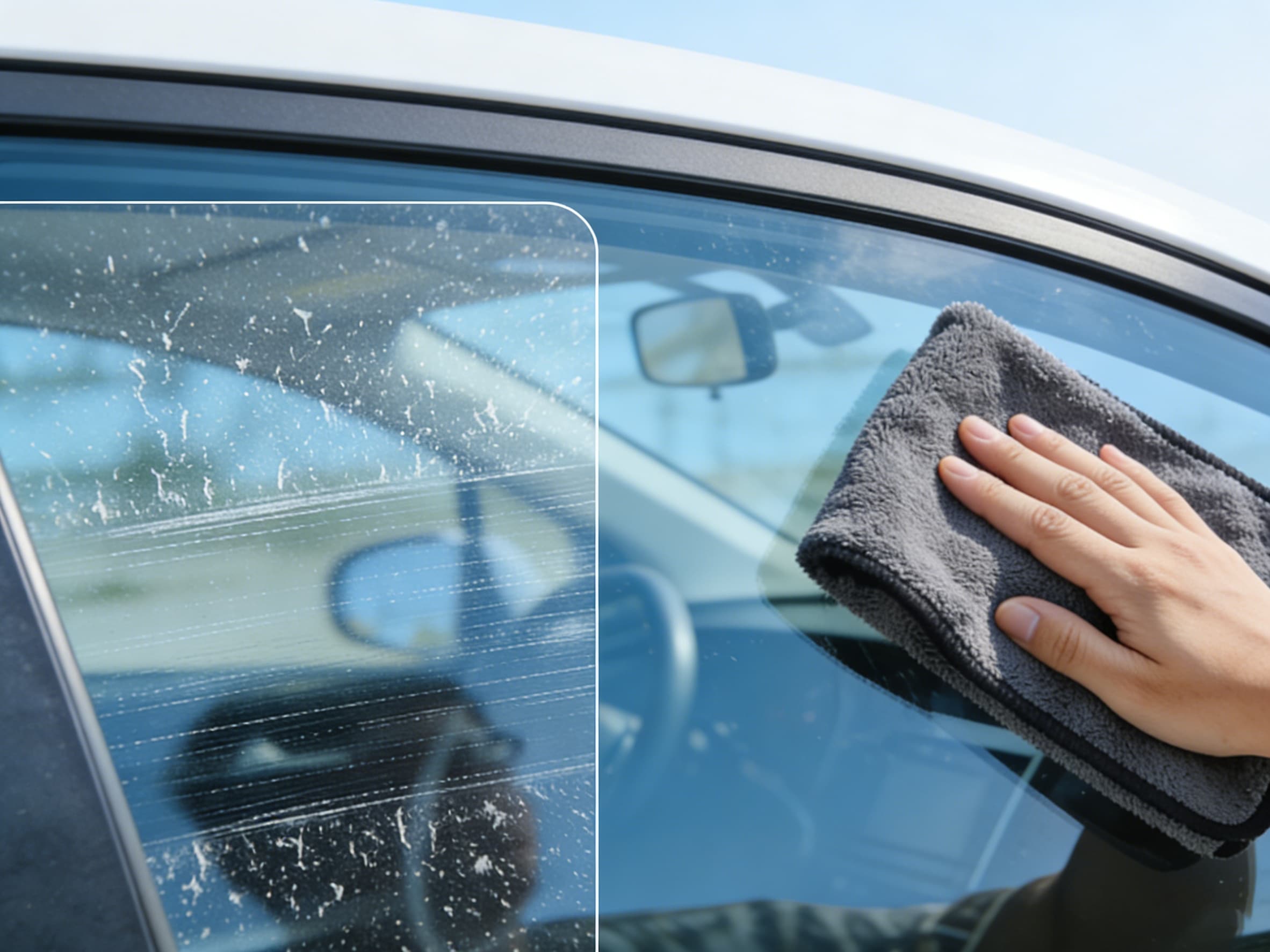
I’ve been in the microfiber business for years, and I see people make the same mistake all the time. They grab the fluffiest, most expensive microfiber towel they own, thinking it will do the best job. But when it comes to glass, the opposite is often true. It’s a common misconception that can lead to a lot of frustration. Let’s dive into why some towels work and others just make a bigger mess. Understanding this difference is the key to finally getting that crystal-clear finish you’re looking for.
Why do some microfiber towels2 leave streaks on glass?
You bought a thick, super-absorbent microfiber towel for your car. But when you try it on your windows, it leaves behind a frustrating film of streaks and water spots.
Plush, long-pile microfiber towels3 leave streaks because they are designed to hold a lot of water. On a smooth surface like glass, their long fibers can’t wipe away all the moisture in one pass, leaving behind tiny droplets that dry into spots and streaks.
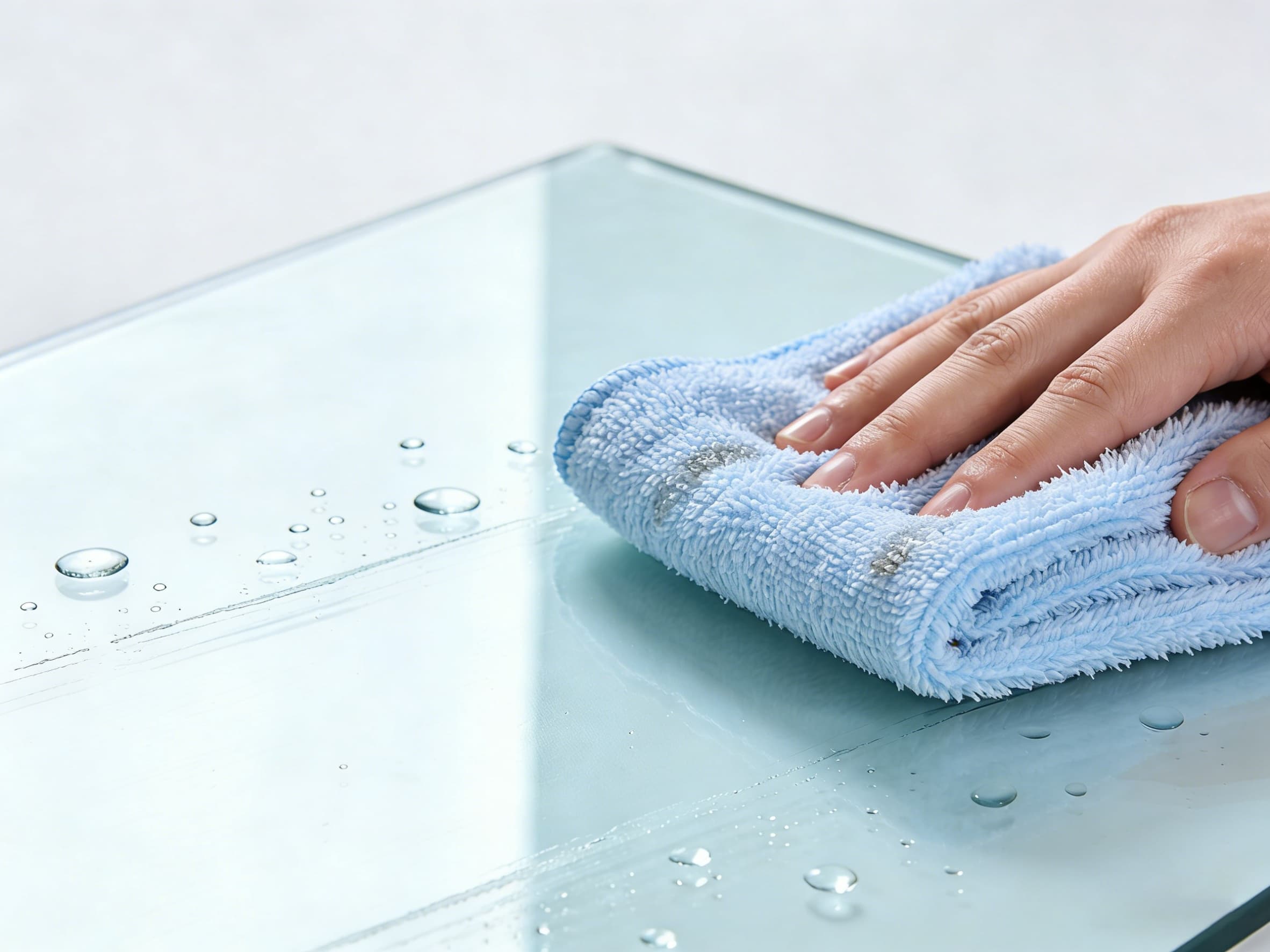
When we talk about microfiber towels, it’s important to understand that they are not all created equal. Different towels are engineered for different jobs. For a B2B buyer like a brand owner or purchasing manager, knowing these differences is critical for building a successful product line. Offering the wrong towel for the job can lead to unhappy customers and negative reviews.
Let’s break down the common types of plush towels4 that are great for paint but terrible for glass.
Types of Towels to Avoid for Glass Cleaning
| Towel Type | Primary Use | Why It’s Bad for Glass |
|---|---|---|
| Twisted Loop Towels | Drying the car body | These are incredibly absorbent. Their long, twisted fibers soak up huge amounts of water, which is perfect for a painted car body. On glass, however, they release too much water and can’t be wrung out dry enough. They leave a trail of moisture that results in heavy water spotting. |
| High-Low Pile Towels | Wax and sealant removal | These towels have a mix of long and short fibers. The long fibers are great for picking up wax residue from paint, but on glass, they tend to shed lint. The plush texture also tends to smear dirt and oils rather than lifting them cleanly from the smooth surface. |
| Coral Fleece Towels | Buffing and quick detailing | Coral fleece is extremely soft and plush, making it feel very high-quality. While it’s great for a final buff on a coat of wax, it’s one of the worst choices for glass. The long, dense fibers get saturated quickly and will just push dirt and grime around, creating a streaky, hazy mess. |
The main issue with all these towels is their pile length and high GSM (grams per square meter). A higher GSM means a denser, heavier, and more absorbent towel. This is a premium feature for drying a car’s body panels, but on the non-porous, flat surface of a window, that absorbency becomes a liability.
What is the best microfiber cloth for a streak-free shine5 on windows?
You want that invisible, perfectly clear glass on your car. But every towel you’ve tried leaves behind some kind of smudge or lint, making the job feel impossible.
A dedicated glass cleaning cloth with a tight, flat weave is the best choice. These cloths have a low pile and excellent polishing ability. Specialty weaves like fish scale or smooth faux suede are also top performers for a perfect, streak-free finish.
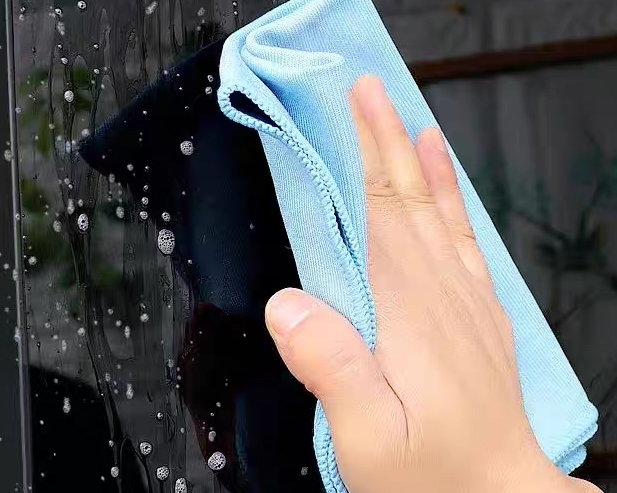
I have a personal story about this. A few weeks ago, we had some heavy snow. After it melted, my car was covered in a layer of dirt and salt. I grabbed a standard, all-purpose microfiber towel to clean the windshield. From the outside, it looked okay. But when I got in the car and started driving into the low afternoon sun, it was a disaster. The glare hitting the streaks was almost blinding. It wasn’t just annoying; it felt unsafe.
I went back and re-cleaned the window, but this time I used a proper glass cloth. The difference was incredible. One wipe, and the glass was perfectly clear. No streaks, no haze, no lint. This experience really reinforced how important using the right tool is.
Here are the features that make these cloths so effective:
-
Tight Weave / Low Pile: Unlike plush towels, glass cloths have a very short, tight, and often flat weave. This structure gives the cloth "bite." It can effectively scrub and lift away dirt, oils, and fingerprints without leaving any fibers behind. The tight weave ensures that moisture and dirt are picked up and held within the cloth, not smeared across the glass.
-
Fish Scale Weave: This is a popular specialty design for glass cloths. The unique texture has small, diamond-shaped pockets that are excellent at trapping dirt and absorbing water. The surrounding flat areas then polish the glass as you wipe, giving you a one-two punch of cleaning and polishing in a single motion.
-
Faux Suede: These cloths are ultra-smooth and have almost no pile at all. They are perfect for the final buffing stage. After cleaning the window with a slightly damp towel, you can use a dry faux suede cloth6 to remove any last traces of moisture or smudges. It glides effortlessly over the surface, leaving nothing but a crystal-clear shine.
For a professional result, I always recommend the two-towel method7. Use one slightly damp, general-purpose microfiber towel to do the initial cleaning. Then, follow immediately with a second, completely dry glass cloth to buff the window to a perfect, streak-free finish.
How do you properly clean and care for your microfiber glass cloths?
Your new glass cloths worked perfectly the first few times. But now, they seem to be losing their magic and are starting to leave streaks, just like your old towels did.
To keep your glass cloths working like new, wash them separately from other laundry using a gentle detergent8. Never use fabric softener9 or bleach. Dry them on a low-heat setting or let them air dry to protect the delicate fibers.
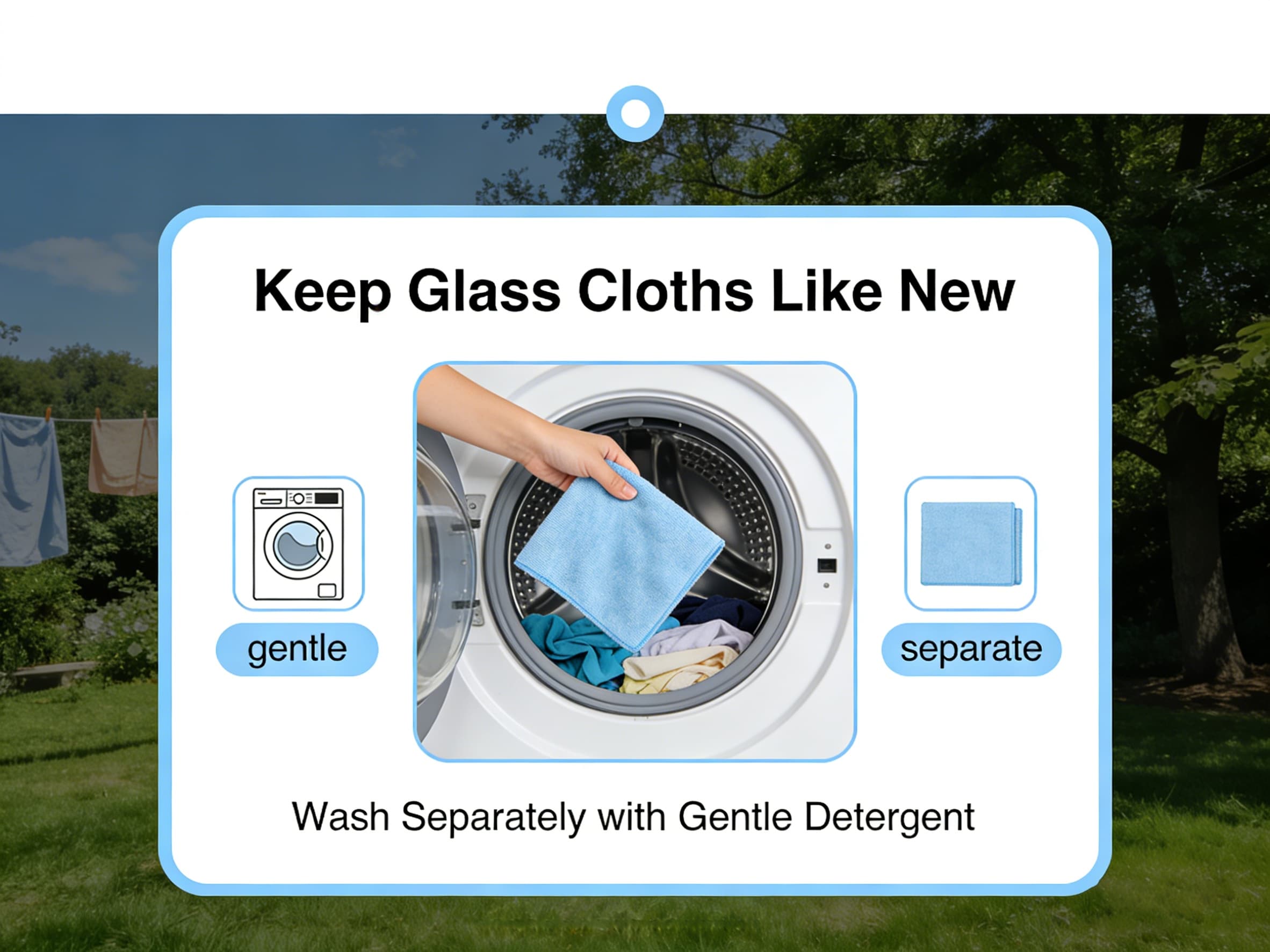
The performance of a microfiber towel is directly tied to how you care for it. Microfiber is made of tiny, split fibers that are designed to grab and hold onto dust, dirt, and liquid. If you use the wrong cleaning products or methods, you can clog or damage these fibers, making the towel useless. This is especially true for glass cloths, where even a small amount of residue can cause streaking. As a manufacturer, we always advise our clients to provide clear care instructions with their products. It protects the customer’s investment and ensures they get the best results from the product, which reflects well on the brand.
Here are the essential do’s and don’ts for washing your microfiber.
Best Practices for Washing Microfiber Towels
| Do | Don’t |
|---|---|
| Wash with other microfiber only. | Do not wash with cotton. Cotton sheds lint, which will get trapped in the microfiber and then transfer to your glass. |
| Use a dedicated microfiber detergent or a gentle liquid detergent. | Do not use fabric softener. Fabric softener clogs the microscopic gaps in the fibers, destroying their ability to absorb water and grab dirt. This is the #1 reason microfiber towels fail. |
| Wash in cool or warm water. | Do not use bleach. Bleach breaks down the synthetic fibers, making them brittle and less effective. |
| Air dry or tumble dry on low heat. | Do not dry on high heat. High temperatures can literally melt the delicate fibers, making them hard and causing them to scratch surfaces instead of cleaning them. |
Proper care is simple, but it’s not optional if you want long-lasting performance. Once clean and dry, store your glass cloths in a clean, sealed container or bag. This prevents them from picking up dust and debris while in storage, ensuring they are perfectly clean and ready for the next time you need a streak-free shine.
Conclusion
To get perfectly clean car windows, choosing the right towel is everything. Skip the plush towels and use a dedicated, low-pile microfiber glass cloth for a flawless, streak-free shine every time.
-
Learn why low-pile glass cleaning cloths are essential for achieving crystal-clear car windows without streaks. ↩
-
Explore this link to discover the top microfiber towels that ensure a streak-free finish for your car windows. ↩
-
Understand the issues with long-pile microfiber towels and how they can hinder your glass cleaning efforts. ↩
-
Discover why plush towels may not be the best choice for cleaning car windows effectively. ↩
-
Discover tips and techniques to achieve a streak-free shine on your car windows for a clear view. ↩
-
Find out how faux suede cloths can enhance your glass cleaning routine for a perfect finish. ↩
-
Learn about the two-towel method and how it can help you achieve streak-free car windows. ↩
-
Discover the best gentle detergents to use for washing microfiber towels to maintain their effectiveness. ↩
-
Understand the reasons to avoid fabric softener when washing microfiber towels to keep them in top condition. ↩