
Struggling to keep your microfiber cloths effective after washing? You’re not alone. Many find their cloths lose cleaning power, becoming clogged with lint and dirt, which is frustrating.
The best way to wash microfiber cloths is separately, using a mild, dye-free liquid detergent in cold or warm water on a gentle cycle.1 [1, 6] Avoid fabric softeners and bleach, as they clog and damage the fibers.2 [3, 8] For best results, air-dry or use a no-heat dryer setting. [1, 24]
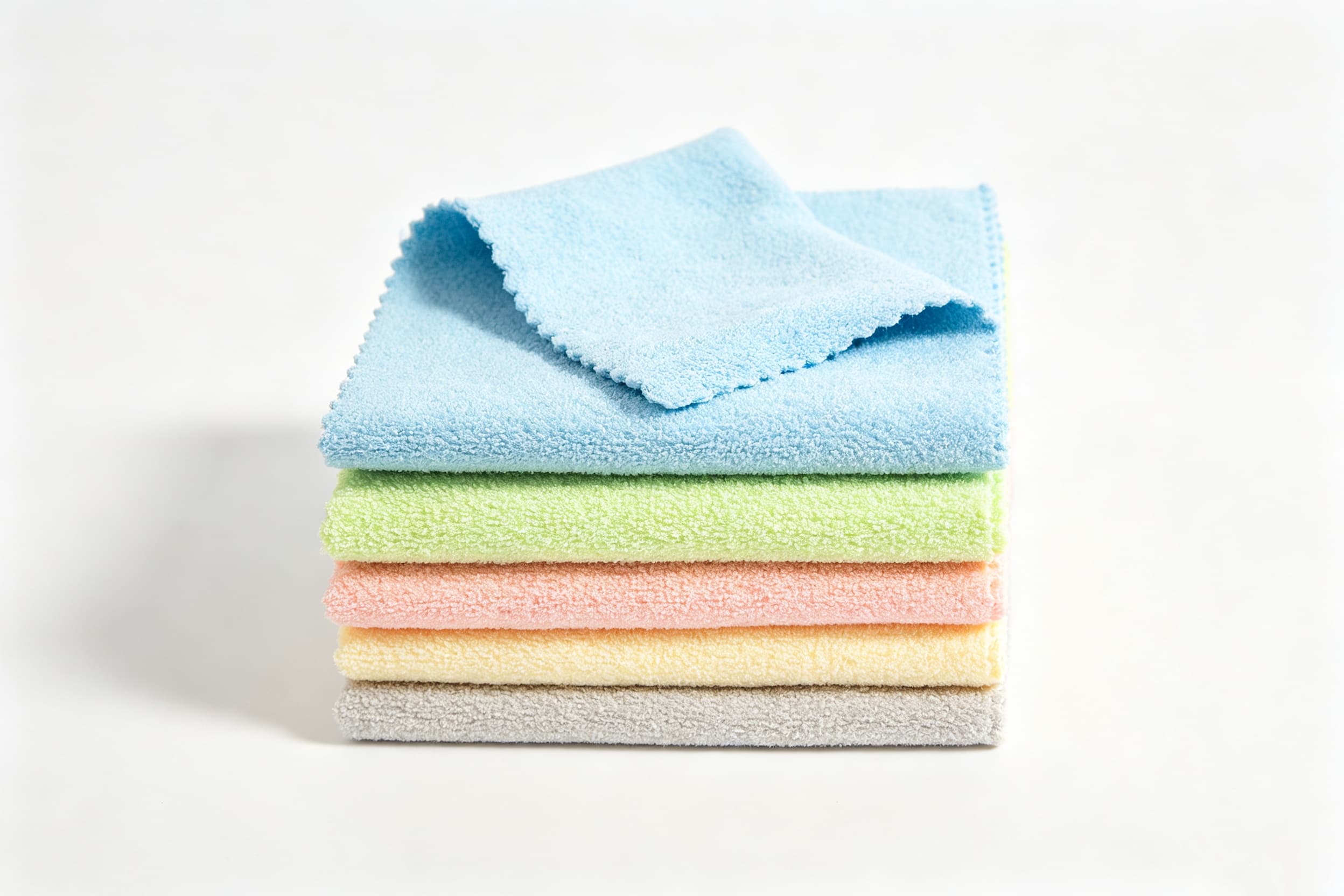
As a microfiber product manufacturer, I get this question all the time. My clients, who are often brand owners or purchasing managers like Tom from a European cleaning supply company, need their products to perform perfectly. The secret isn’t just in the quality of the microfiber itself, but in how you care for it. Incorrect washing can ruin even the best cloths.3 Let’s walk through the exact steps I recommend to all my partners to ensure their microfiber products have a long and effective life.
Can You Wash Microfiber Cloths in a Washing Machine?
Worried that your washing machine is too harsh for your microfiber? It’s a common concern that the machine might destroy the delicate fibers that make these cloths so effective.
Yes, you can absolutely wash microfiber cloths in a washing machine. Just be sure to use a gentle or delicate cycle. [1, 2] This setting prevents the aggressive agitation that can break down the fibers and reduce the cloth’s lifespan. [1]
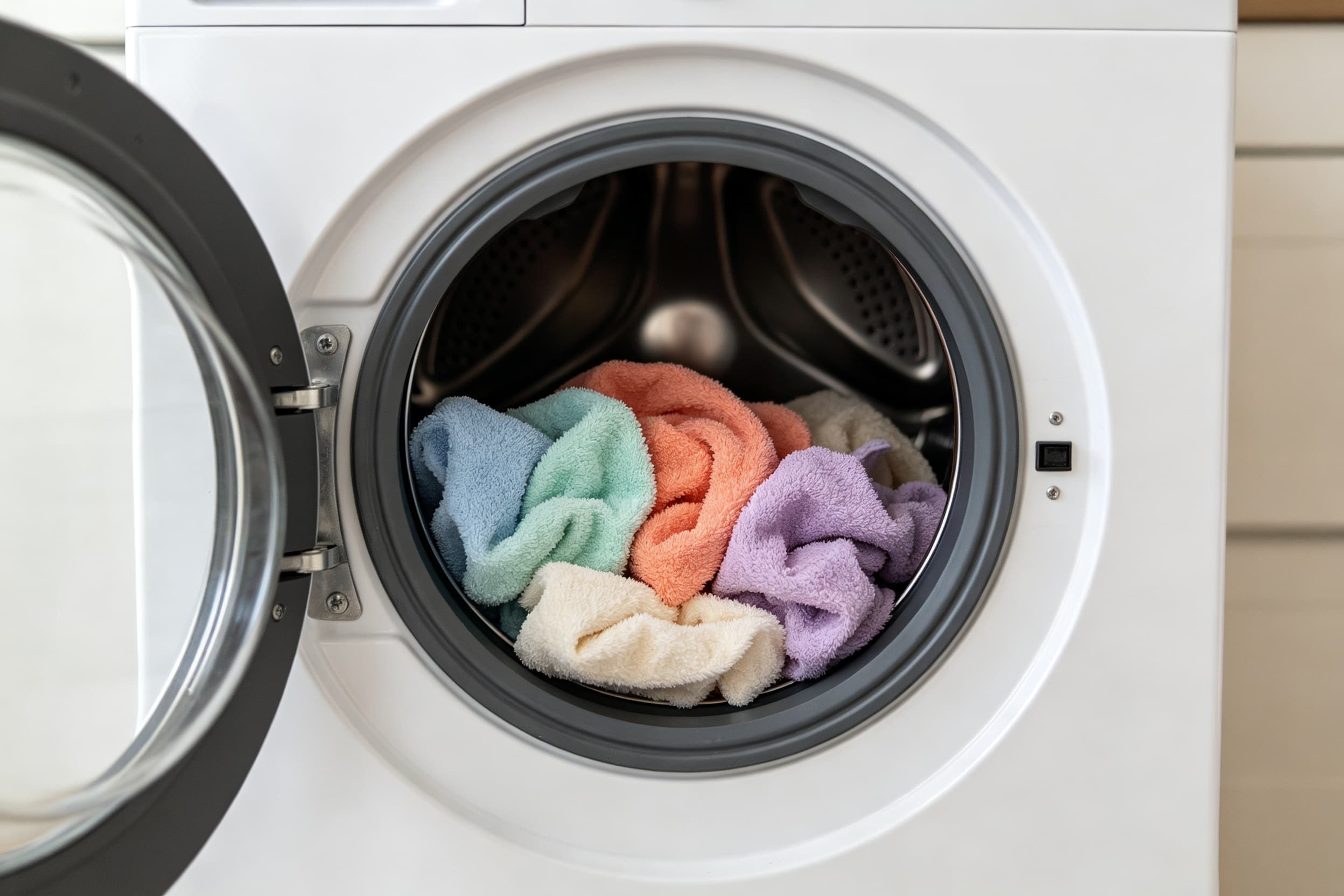
I always advise my clients that machine washing is the most efficient way to clean microfiber, especially for bulk orders. The key is to prepare the load correctly. Before you even put the cloths in the machine, give them a good shake to remove any loose debris. [2] This simple step prevents dirt from getting redistributed during the wash. Also, make sure not to overload the machine. The cloths need enough space to move around freely so that the machine can wash away all the trapped dirt and grime. [1, 4] Following these steps ensures the machine does the hard work without causing any damage, keeping the cloths in top condition for your customers.
What Detergent and Temperature Should You Use?
Confused about the right settings for washing microfiber? Using the wrong detergent or temperature can damage the fibers, making your cloths less absorbent and effective at cleaning.
Use a mild liquid detergent that is free of dyes, fragrances, and additives. [5, 9, 11] Wash lightly soiled cloths in cool water and heavily soiled ones in warm water. [2, 6] Avoid hot water, as high heat can melt and damage the delicate microfibers.4 [1, 6]
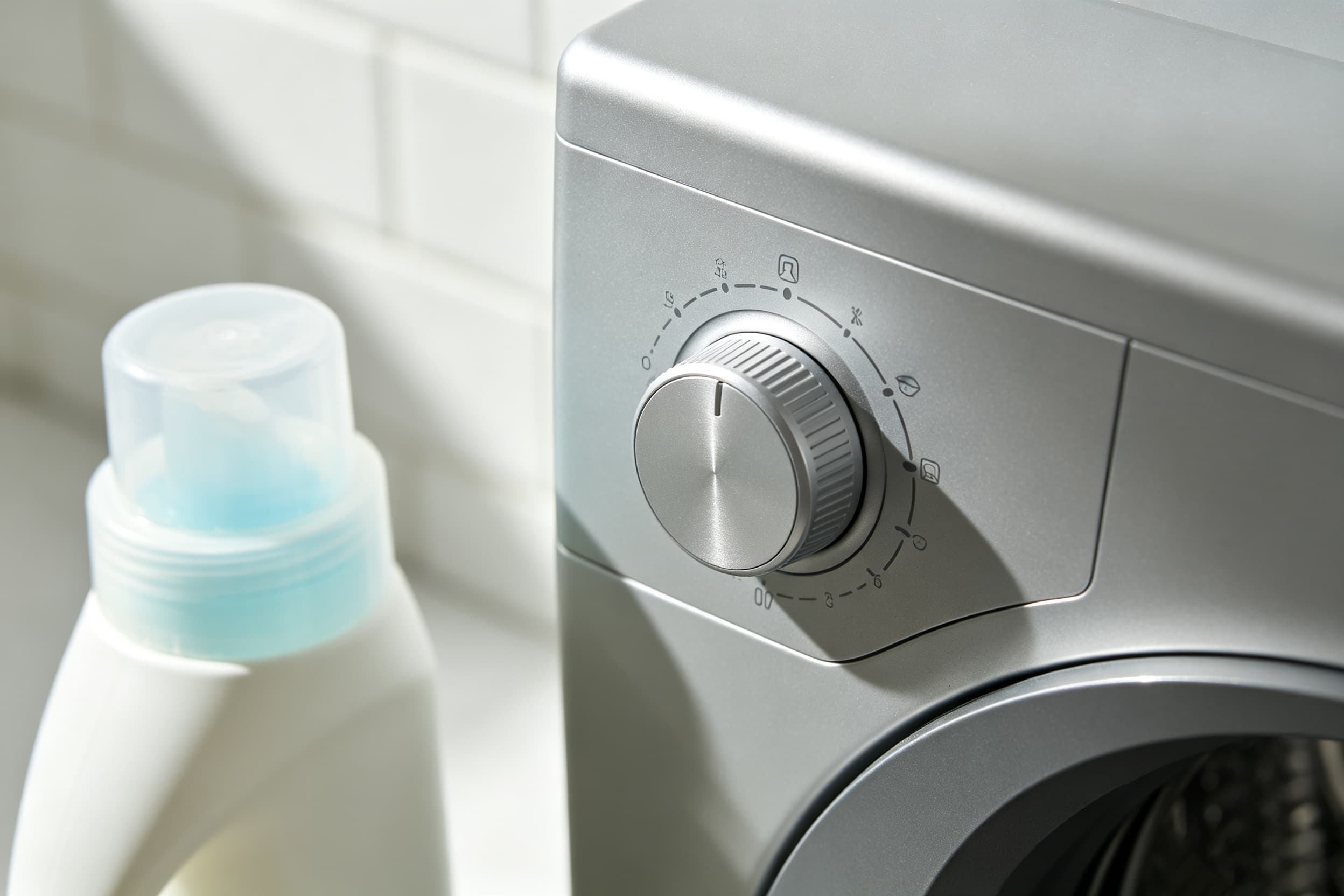
I often explain to buyers like Tom that the type of detergent is critical. Harsh chemicals, bleach, and fabric softeners are the enemies of microfiber. [3, 8] They clog the spaces between the fibers that trap dirt, rendering the cloth useless. I recommend simple, "free and clear" liquid detergents because they rinse out cleanly and don’t leave residue. [5, 11] While some sources suggest hot water for sanitization, a temperature of around 60°C (140°F) should be the absolute maximum and only used if the care label allows it. [3, 15] For most cleaning jobs, warm water is perfectly sufficient to release dirt and oils without risking damage. [22]
Key Considerations for Detergent and Temperature:
| Aspect | Recommendation | Why It Matters |
|---|---|---|
| Detergent Type | Mild, liquid detergent without dyes or perfumes. [9] | Harsh additives and powders can clog the fibers and reduce cleaning power. [11] |
| Water Temperature | Cool to warm water (30-40°C). [3] | High heat can permanently damage the synthetic fibers, causing them to melt. [1] |
| Additives to Avoid | No bleach, no fabric softener. [8] | Bleach degrades the fibers, and fabric softener coats them, eliminating their static charge and absorbency. [3, 4] |
| Heavy Stains | Pre-soak in water with a small amount of mild detergent. [1] | This helps loosen grime before the main wash cycle without needing harsh chemicals. |
How Should You Dry Microfiber Cloths to Maintain Quality?
Have you ever pulled your microfiber cloths from the dryer only to find they’ve lost their softness and absorbency? High heat is a fast way to ruin them permanently.
The best method for drying microfiber is to air-dry them.5 [1] If you must use a machine, select a no-heat or low-heat setting. [1, 24] High heat can melt the tiny fibers, which destroys their ability to pick up dirt and absorb liquids effectively. [1]
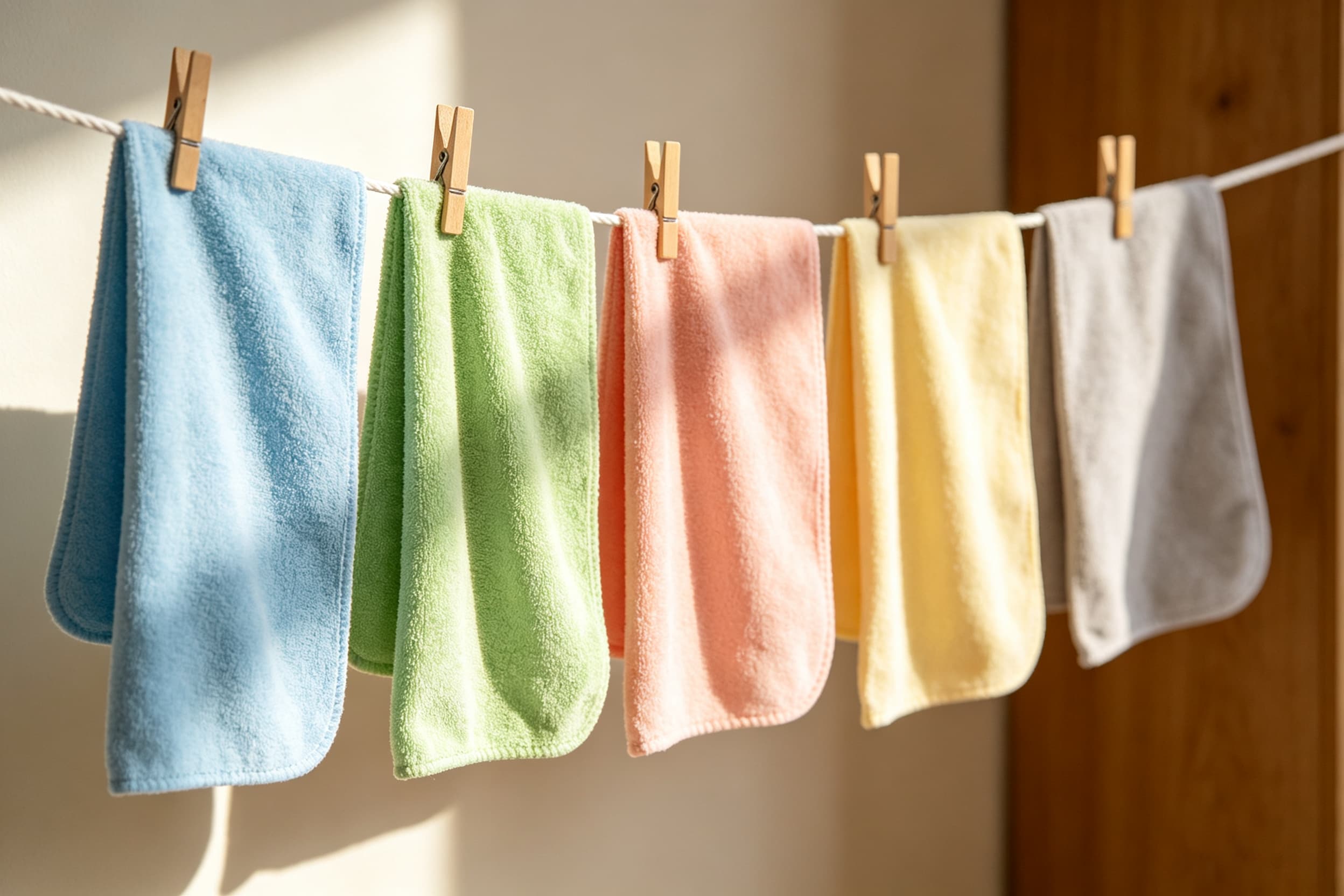
When I’m guiding a client through the product development process, I always emphasize that care instructions are part of the product’s success. For drying, the message is simple: avoid heat. I tell them that while air-drying takes longer, it’s the safest way to preserve the cloth’s structure. If using a dryer is necessary, a "tumble dry" or "air fluff" cycle without heat is the only way to go. It’s also important to clean the lint trap before drying, as microfiber can pick up any leftover lint from previous loads. [24] Following this advice ensures the cloths remain soft, absorbent, and ready for streak-free cleaning, which is exactly what end-users expect from a quality product.
Can You Wash Microfiber Cloths With Other Clothes?
Tempted to toss your microfiber cloths in with your regular laundry? This common shortcut can actually ruin your cloths by turning them into lint magnets.
You should always wash microfiber cloths separately from other laundry, especially cotton items. [6, 10] Cotton and other fabrics shed lint, which will get trapped in the microfiber’s intricate structure, reducing its cleaning effectiveness. [6, 8]
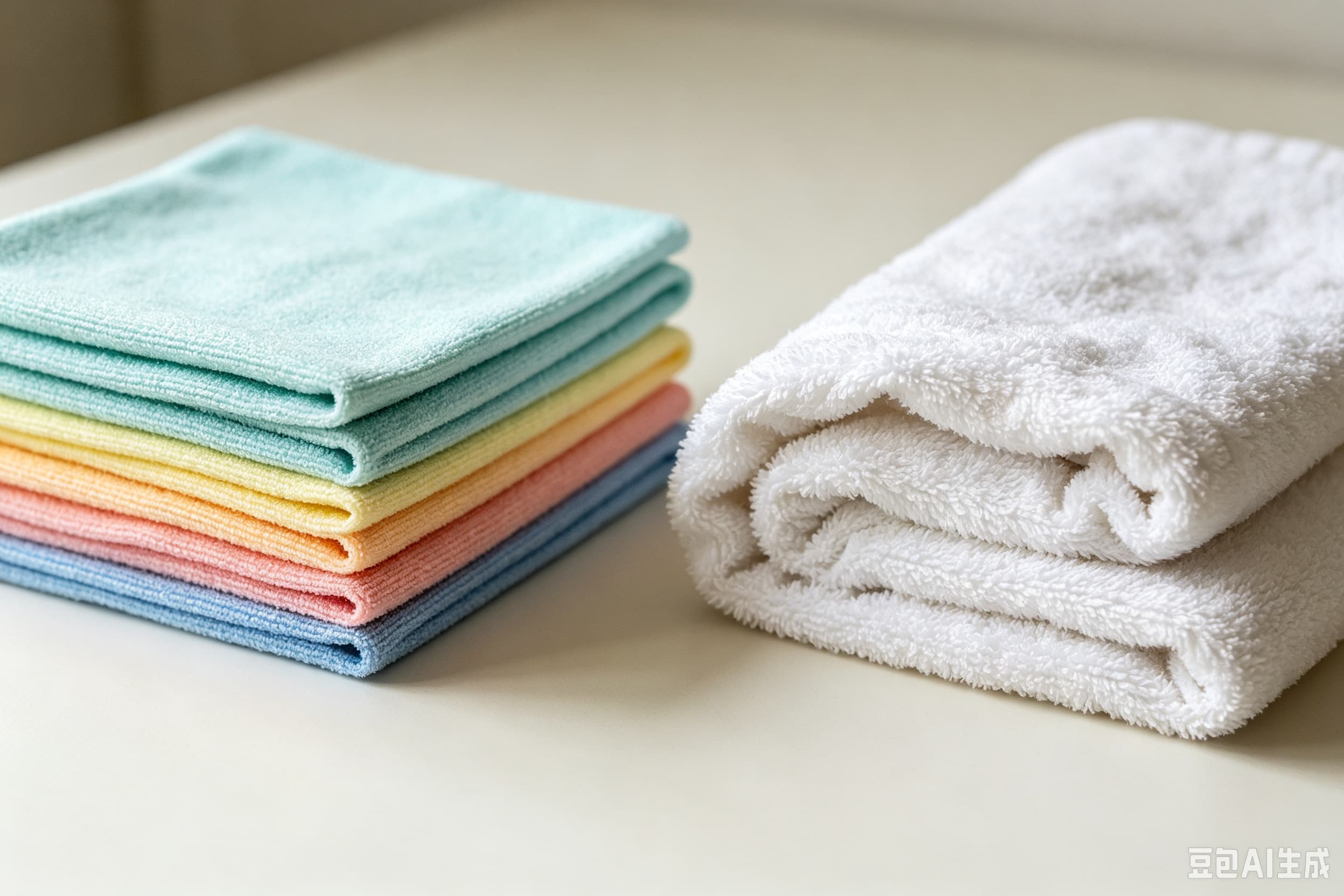
This is a non-negotiable rule I share with all my B2B clients. A microfiber cloth’s power comes from its ability to grab and hold onto dust and dirt with its fine fibers. [4] When you wash it with lint-shedding materials like cotton towels or fuzzy blankets, the fibers grab onto that lint instead. [8, 10] The result is a cloth that leaves streaks and lint behind, completely defeating its purpose. It’s best to either wash them in a dedicated microfiber-only load or, if you only have a few, place them in a mesh laundry bag to keep them separate. [18] This ensures the fibers stay clean and ready to perform their job effectively.
How Do You Wash Specialized Microfiber, Like for Cars and Glass?
Are you treating your car detailing towels and glass cloths the same as your general-purpose ones? Different jobs mean different kinds of dirt, and they require a specific washing approach.
For car detailing towels, use a specialized microfiber detergent to break down heavy residues like wax and polish. [12, 20] Wash in warm or hot water to release oils. [22] For glass cloths, a standard wash with a mild detergent is fine, ensuring they are washed separately to remain lint-free for a streak-free shine.
As a manufacturer, I produce various types of microfiber for different markets, from automotive to household cleaning. Car detailing towels are a great example of a specialized product. They accumulate tough-to-remove waxes, sealants, and polishing compounds. That’s why I recommend my automotive clients use a dedicated microfiber detergent like P&S Rags to Riches or 3D Towel Kleen, which are formulated to dissolve these residues without harming the fibers. [12] For these towels, a warm wash cycle is often necessary to break down the oils and waxes effectively. [22, 23] On the other hand, glass cleaning cloths must be pristine and completely free of lint to avoid streaks. The most important rule for them is to be washed in a separate load from any other type of towel to prevent cross-contamination from dirt or lint.
What Are Common Mistakes to Avoid When Washing Microfiber?
Are your microfiber cloths underperforming? It’s likely due to a few common, but easily fixable, washing mistakes that damage the very fibers that make them work.
The biggest mistakes are using fabric softener, washing with cotton items, and using high heat in the washer or dryer. [1, 4] Fabric softener clogs the fibers, washing with linty items ruins their cleaning ability, and heat melts them. [1, 4]
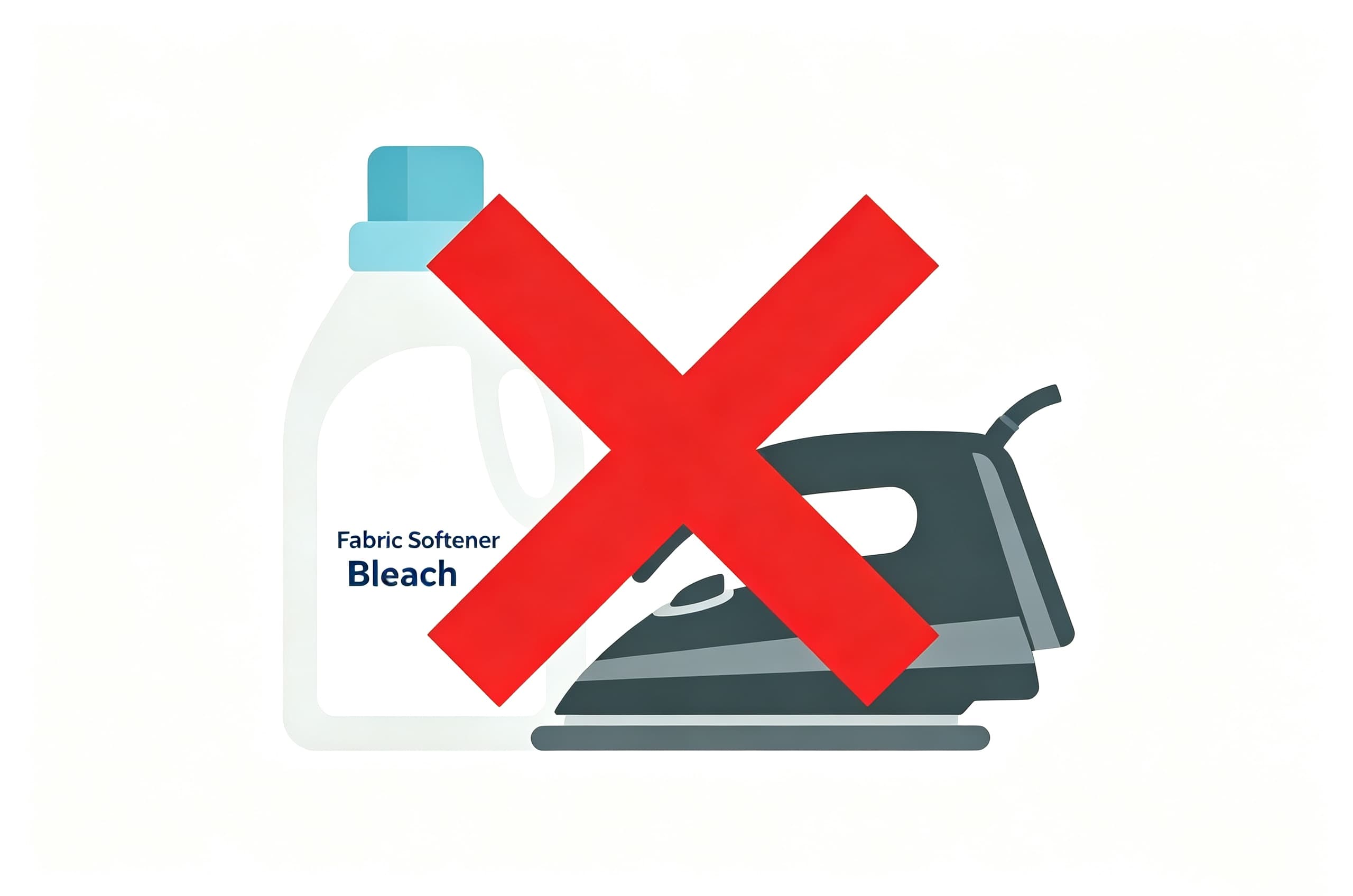
I’ve seen it all when it comes to ruined microfiber. The most frequent culprit is fabric softener or dryer sheets. [4] These products work by coating fabric with a layer of softening chemicals, which completely clogs the microscopic structure of microfiber and destroys its ability to absorb and trap dirt. [1, 4] Another major issue is washing with the wrong items; never mix microfiber with lint-prone fabrics like cotton towels. [6, 10] Finally, heat is microfiber’s kryptonite. Washing in water that’s too hot or drying on a high-heat setting will literally melt the fibers, making them useless. [1] Avoiding these three simple things will extend the life of your cloths dramatically.
Top 3 Mistakes to Avoid:
- Using Fabric Softener or Dryer Sheets: These products leave a residue that clogs the microfibers, making them non-absorbent and ineffective. [4]
- Washing with Lint-Shedding Fabrics: Microfiber is designed to attract and trap particles, so it will become filled with lint from cotton or other materials, leading to streaky, linty results. [6, 10]
- Using High Heat: Whether in the wash or the dryer, high temperatures can cause the synthetic fibers to melt, permanently damaging the cloth. [1]
Conclusion
Properly caring for your microfiber cloths is simple. Wash them separately in cool or warm water with a mild detergent, avoid heat and fabric softeners, and you’ll maintain their cleaning power for years.
"How to Wash Microfiber", https://www.microfiberwholesale.com/blogs/blog/how-to-wash-microfiber. This source outlines recommended washing practices for microfiber cloths, including the use of mild detergents and cold or warm water. Evidence role: expert_consensus; source type: education. Supports: The best way to wash microfiber cloths is separately, using a mild, dye-free liquid detergent in cold or warm water on a gentle cycle.. ↩
"How do you disinfect/sanitize your sponges or microfiber …", https://www.reddit.com/r/CleaningTips/comments/1ackru4/how_do_you_disinfectsanitize_your_sponges_or/. This source discusses how fabric softeners and bleach can negatively affect microfiber cloths by clogging and degrading their fibers. Evidence role: mechanism; source type: education. Supports: Avoid fabric softeners and bleach, as they clog and damage the fibers.. ↩
"Microfiber Emissions from Functionalized Textiles – PMC – NIH", https://pmc.ncbi.nlm.nih.gov/articles/PMC10221355/. This source explains how improper washing techniques, such as using fabric softeners or high heat, can degrade microfiber cloths. Evidence role: mechanism; source type: education. Supports: Incorrect washing can ruin even the best cloths.. ↩
"Washing Microfiber Towels.. Warm or Hot Water? : r/AutoDetailing – Reddit", https://www.reddit.com/r/AutoDetailing/comments/clnzw0/washing_microfiber_towels_warm_or_hot_water/. This source details how high temperatures can damage microfiber cloths by melting their synthetic fibers. Evidence role: mechanism; source type: education. Supports: Avoid hot water, as high heat can melt and damage the delicate microfibers.. ↩
"What are the benefits of using a microfiber towel instead of … – Quora", https://www.quora.com/What-are-the-benefits-of-using-a-microfiber-towel-instead-of-a-regular-towel-when-showering. This source supports air-drying as the safest method for preserving the quality of microfiber cloths. Evidence role: expert_consensus; source type: education. Supports: The best method for drying microfiber is to air-dry them.. ↩