
Tired of leaving streaks and lint behind when you clean? It feels like you’re just moving dirt around, not actually getting rid of it. You need a tool that cleans effectively.
You need microfiber towels because their unique, ultra-fine fibers are incredibly absorbent and expertly trap dust, dirt, and grime. This makes them far more effective for cleaning any surface in your home or car compared to traditional cotton or paper towels, saving you time and effort.
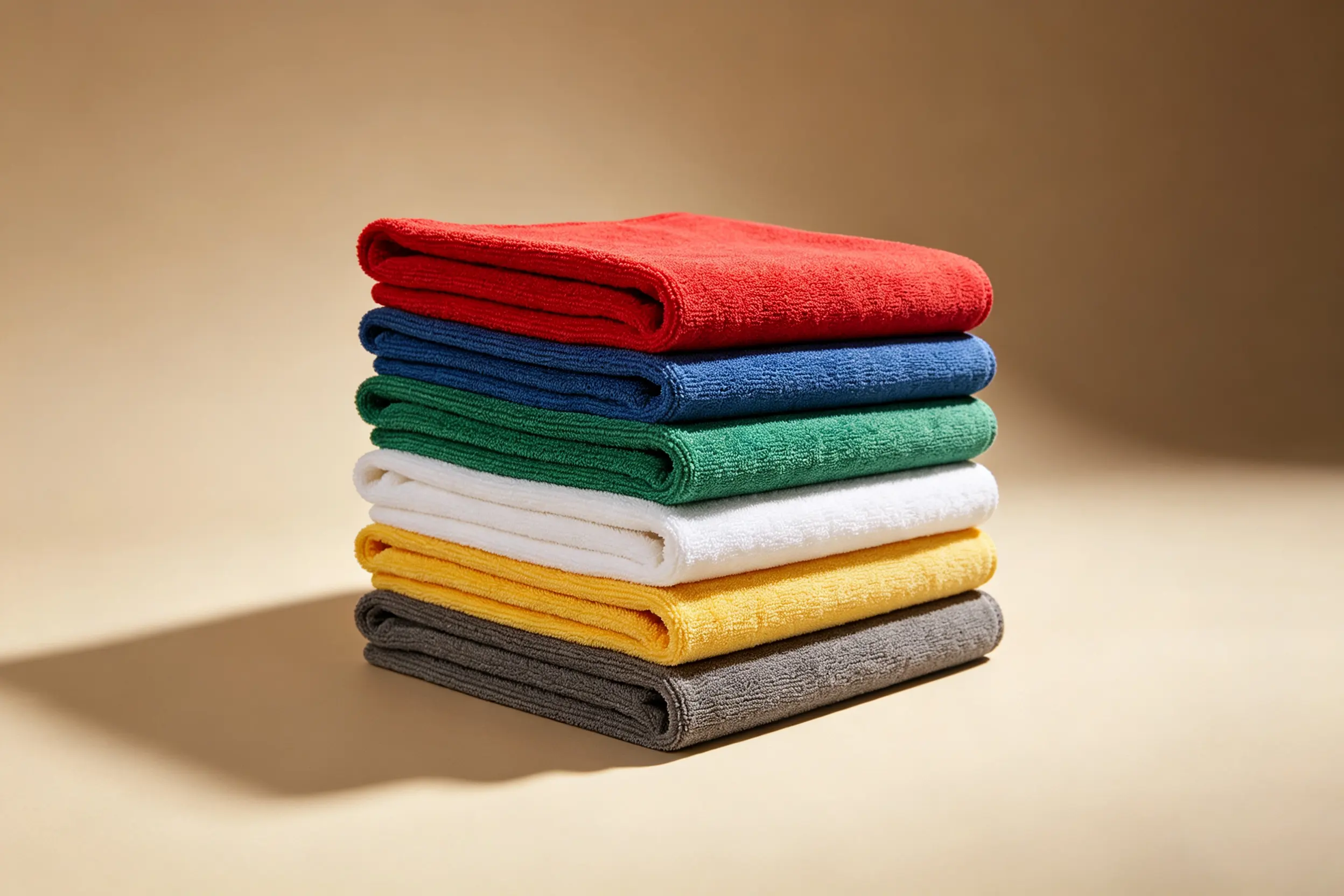
When I first started in this industry, I saw many cleaning products. But microfiber stood out. It’s not just another cloth; it’s a technology that has completely changed how we think about cleaning. From household chores to professional car detailing, its impact is huge. Let’s explore why this simple-looking fabric has become a must-have item in homes all over the world.
What makes microfiber towels so absorbent?
Struggling with spills that seem to spread everywhere? Cotton cloths often push water around instead of picking it up, leaving you with a bigger mess to deal with than when you started.
Microfiber towels are so absorbent because they are made of millions of tiny, split fibers.1 This structure creates a massive surface area that can soak up to eight times its weight in liquid, pulling water in quickly and holding it deep within the cloth, preventing drips.
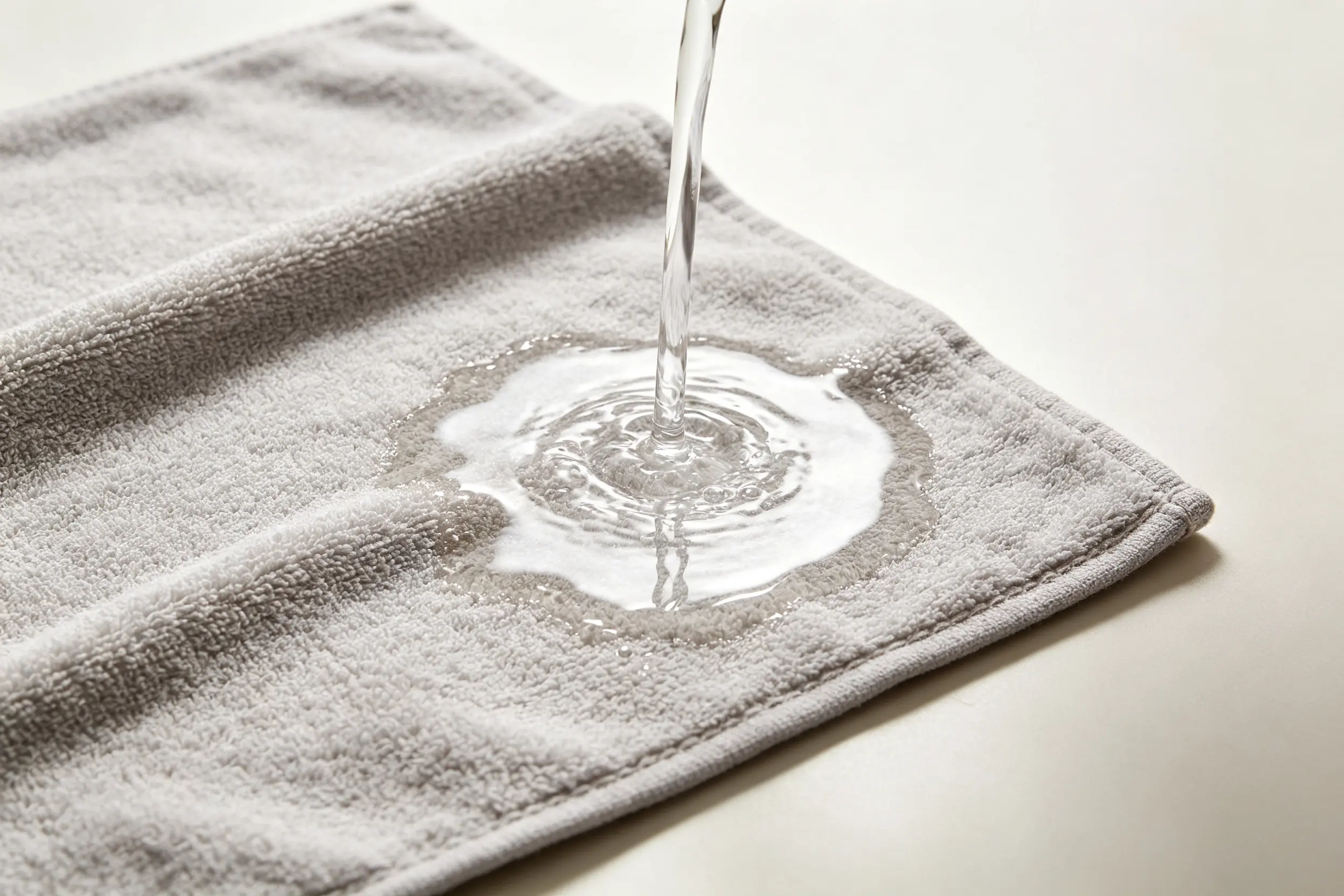
Let’s dive a bit deeper into this. The magic is in the material itself. Microfiber is typically a blend of polyester and polyamide.2 During manufacturing, these fibers are split into even smaller, star-shaped strands. Think of it like a single human hair being split into over 100 tiny threads. This process dramatically increases the surface area of the cloth. When you use a cotton towel, the round fibers just push the liquid around. But with microfiber, the liquid gets pulled into the gaps between all those tiny strands through a process called capillary action. It’s like having millions of tiny straws sucking up the mess.
From my experience as a manufacturer, I’ve seen how a slight change in the blend or the splitting process can affect absorbency. A good quality 80/20 polyester/polyamide blend offers a great balance for most cleaning tasks.3
Here’s a simple comparison:
| Feature | Microfiber Towel | Cotton Terry Cloth | Paper Towel |
|---|---|---|---|
| Absorbency | Excellent (Holds 7-8x its weight) | Good (Holds 4-5x its weight) | Poor (Tears when saturated) |
| Drying Time | Fast | Slow | N/A (Single-use) |
| Liquid Trapping | Traps liquid inside fibers | Can drip when saturated | Falls apart |
| Durability | High (Hundreds of washes) | Medium | Low (Single-use) |
This is why microfiber is the go-to choice not just for spills at home but also for drying cars without leaving water spots. It’s simply more efficient.
How do microfiber towels trap dust so effectively?
Are you tired of dusting only to see the particles float into the air and settle right back down? Feather dusters and old rags often just stir up dust, creating more work for you.
Microfiber towels trap dust using static electricity. The split fibers create a positive charge that acts like a magnet for negatively charged dust particles.4 Instead of pushing dust around, the cloth actively pulls it in and holds onto it until you wash it out with water.
Let’s break this down further. When you wipe a dry microfiber cloth across a surface, the friction generates a natural static charge. Dust, dirt, and even pet hair have a negative charge. As you know from basic science, opposites attract. This electrostatic pull is what makes microfiber so incredibly good at dusting. The tiny particles get sucked right into the web of fibers and stay there. You aren’t just moving dust; you are removing it from the environment. This is a huge advantage over something like a wet paper towel, which just clumps the dust and can leave a muddy residue.
I remember a client, a large distributor for cleaning supplies, who tested our cloths against their previous cotton ones. They used a special light to see the dust left behind. The difference was night and day. The surface cleaned with microfiber was almost completely clear, while the cotton-cleaned one still had a fine layer of dust. This is why microfiber is essential in environments where cleanliness is critical, like in hospitals or for cleaning electronics.
Here’s how it works for different particle types:
Dry Dusting
The static charge is the hero here. It grabs fine dust, pollen, and pet dander without needing any chemical sprays. This makes it a healthier choice for your home, especially if you have allergies.
Wet Cleaning
When you dampen the cloth, the capillary action we talked about earlier takes over. The fibers scoop up grime and bacteria, trapping them within the cloth. The spaces in the fibers are so small that they can even trap microscopic particles. You’re not just wiping; you’re deep cleaning.
This dual-action capability—effective both wet and dry—makes microfiber incredibly versatile.
Are microfiber towels essential for a modern home?
Do you feel like your cleaning closet is overflowing with different products for every task? You have paper towels for spills, cotton rags for scrubbing, and special cloths for glass, which is costly and inefficient.
Yes, microfiber towels are essential for a modern home. Their versatility allows them to replace numerous other cleaning products. They can handle dusting, scrubbing, absorbing spills, and polishing surfaces, making cleaning simpler, more cost-effective, and better for the environment than single-use alternatives.
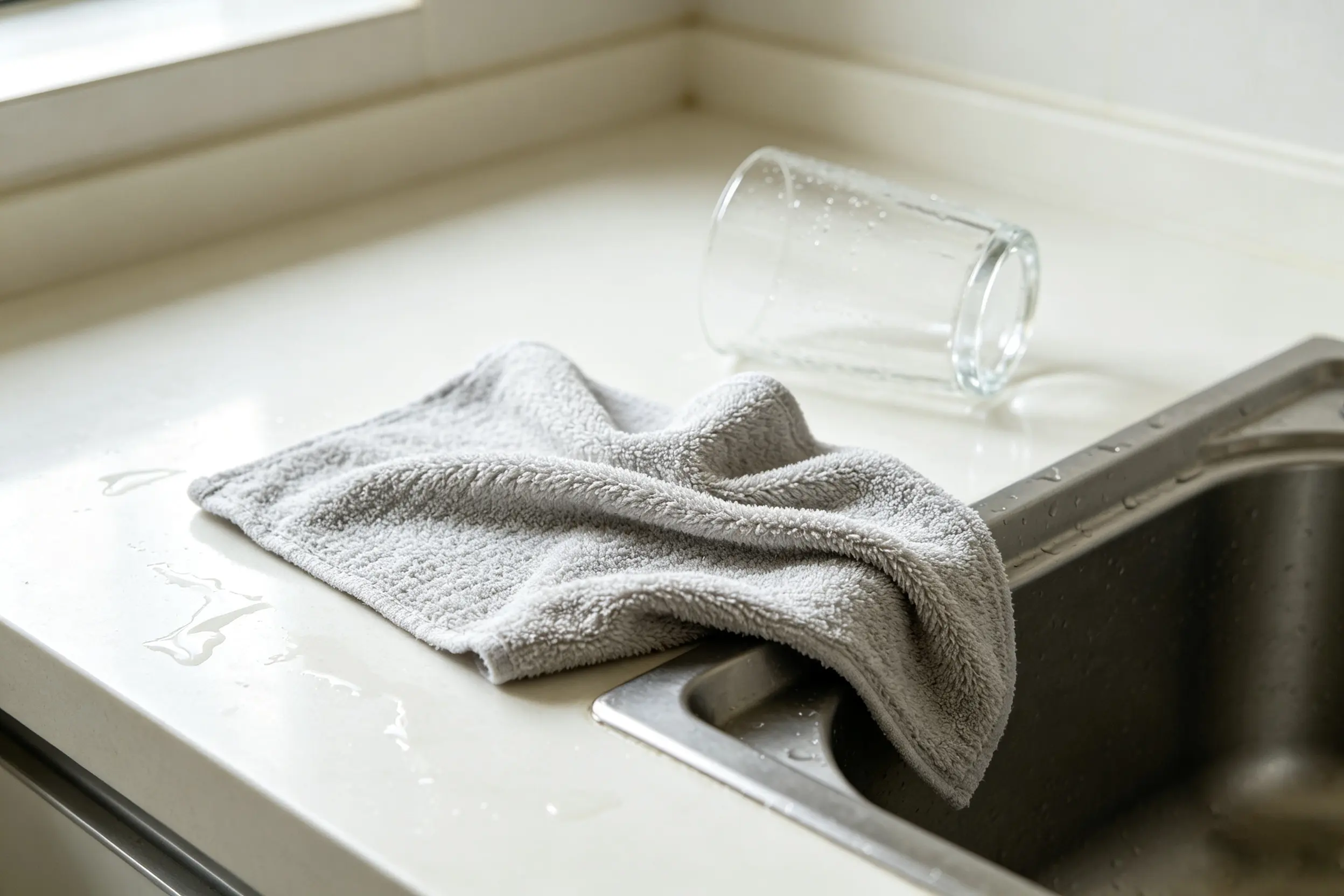
I truly believe this. In today’s world, we value efficiency and sustainability. Microfiber ticks both boxes. Think about the cost. A roll of paper towels is gone after a few clean-ups. A good microfiber cloth can be washed and reused hundreds of times. I’ve been supplying these to wholesalers for years, and the feedback is always the same: their customers save money in the long run. It’s a simple investment that pays for itself.
Beyond the cost, it’s about performance. Why use a product that does an average job when you can use one that excels?
Let’s look at its role in different parts of the house:
| Area of Home | How Microfiber Excels | Replaces |
|---|---|---|
| Kitchen | Scrubs away grease, absorbs spills, polishes stainless steel | Sponges, paper towels, cotton dishcloths |
| Bathroom | Cleans mirrors streak-free, removes soap scum, dries surfaces | Glass cleaner, paper towels, abrasive scrubs |
| Living Areas | Dusts furniture and electronics effectively | Feather dusters, disposable dusting wipes |
| Floors | Mop pads grab dirt instead of pushing it around | Cotton string mops, disposable mop pads |
| Car | Dries without spots, polishes wax, cleans interior | Chamois, cotton rags, paper towels |
As you can see, one type of cloth can handle almost every cleaning job. This declutters your supply closet and simplifies your routine. For a busy person like our customer Tom in Europe, having a single, reliable tool for multiple tasks is a huge benefit. He can offer his customers a product that genuinely makes their lives easier. It’s no surprise that microfiber has moved from a niche professional product to a household staple in developed countries. It’s simply smarter cleaning.
Conclusion
Microfiber towels are a must-have because they clean better, save you money, and simplify your life. They are an essential tool for any modern home.
"4. Microfiber Drying Towels for Cars vs. Regular Towels: The Ultimate …", https://pressbooks.cuny.edu/teaset/chapter/microfiber-drying-towels-for-cars-vs-regular-towels/. This source explains the manufacturing process of microfiber towels and how their split fibers contribute to high absorbency. Evidence role: mechanism; source type: education. Supports: Microfiber towels are highly absorbent due to their structure of split fibers, which increases surface area and enables capillary action.. ↩
"Microtex® – Tricot Glass Cloth – 85% Polyester / 15% Polyamide", https://www.calderontextiles.com/products/microtex-tricot-glass-cloth-85-polyester-15-polyamide/. This source explains the typical composition of microfiber materials and their cleaning properties. Evidence role: definition; source type: education. Supports: Microfiber is commonly made from a blend of polyester and polyamide, which contributes to its cleaning efficiency.. ↩
"What is Microfiber Blend? What does 80/20, 75/25 and 70/30 mean?", https://www.autofiber.com/pages/what-does-80-20-75-25-and-70-30-mean-what-is-blend?srsltid=AfmBOoqVkiiDJB2e6xvGd9S2hzKJD_fA9CllbXPLY0xsaCKpLaeOvbdH. This source provides information on the composition of microfiber towels and the benefits of an 80/20 polyester/polyamide blend. Evidence role: expert_consensus; source type: education. Supports: An 80/20 polyester/polyamide blend in microfiber towels is optimal for cleaning tasks due to its balance of durability and absorbency.. ↩
"Will an microfiber cloth damage me pc? : r/pcmasterrace – Reddit", https://www.reddit.com/r/pcmasterrace/comments/1bh4szp/will_an_microfiber_cloth_damage_me_pc/. This source discusses the electrostatic properties of microfiber towels and their effectiveness in trapping dust. Evidence role: mechanism; source type: research. Supports: Microfiber towels trap dust effectively due to the electrostatic charge generated by their split fibers.. ↩