
Struggling to pick the right tool for a mess? You want a clean home, but the choice between paper towels and cloth towels can be surprisingly confusing.
For most daily cleaning, cloth towels, especially microfiber ones, are better. They clean more effectively, are more cost-efficient long-term, and are eco-friendly. Paper towels are best reserved for extremely greasy or unsanitary messes where you need to throw the waste away immediately.
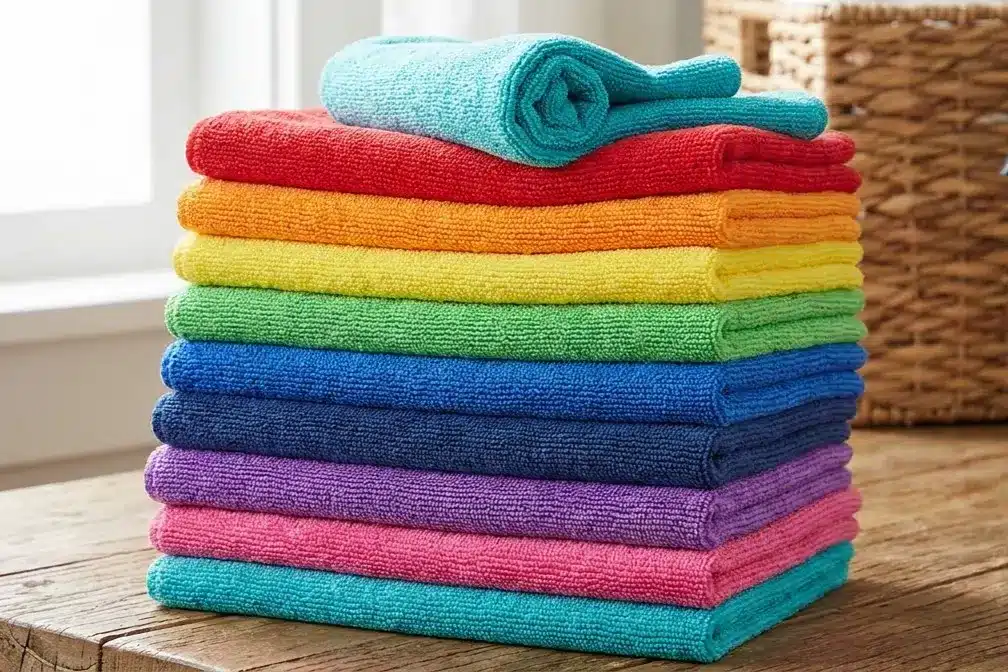
Choosing the right cleaning tool can feel like a small decision, but it makes a big difference. It affects how clean your home is, how much you spend, and your impact on the environment. Many people believe paper towels are more hygienic, while others swear by reusable cloths for their power and value. The truth is, both have their place. Understanding when to use each one is the key to cleaning smarter, not harder. Let’s break it down so you can make the best choice for every situation.
Which Is More Effective for General Cleaning?
You grab a towel to wipe a spill, but it just pushes the liquid around. You need something that actually absorbs the mess and lifts away dirt, not just smears it.
For most cleaning jobs, microfiber cloth towels are far more effective1. Their special fibers are designed to trap dirt2, dust, and absorb liquids much better than paper towels, leaving surfaces truly clean.
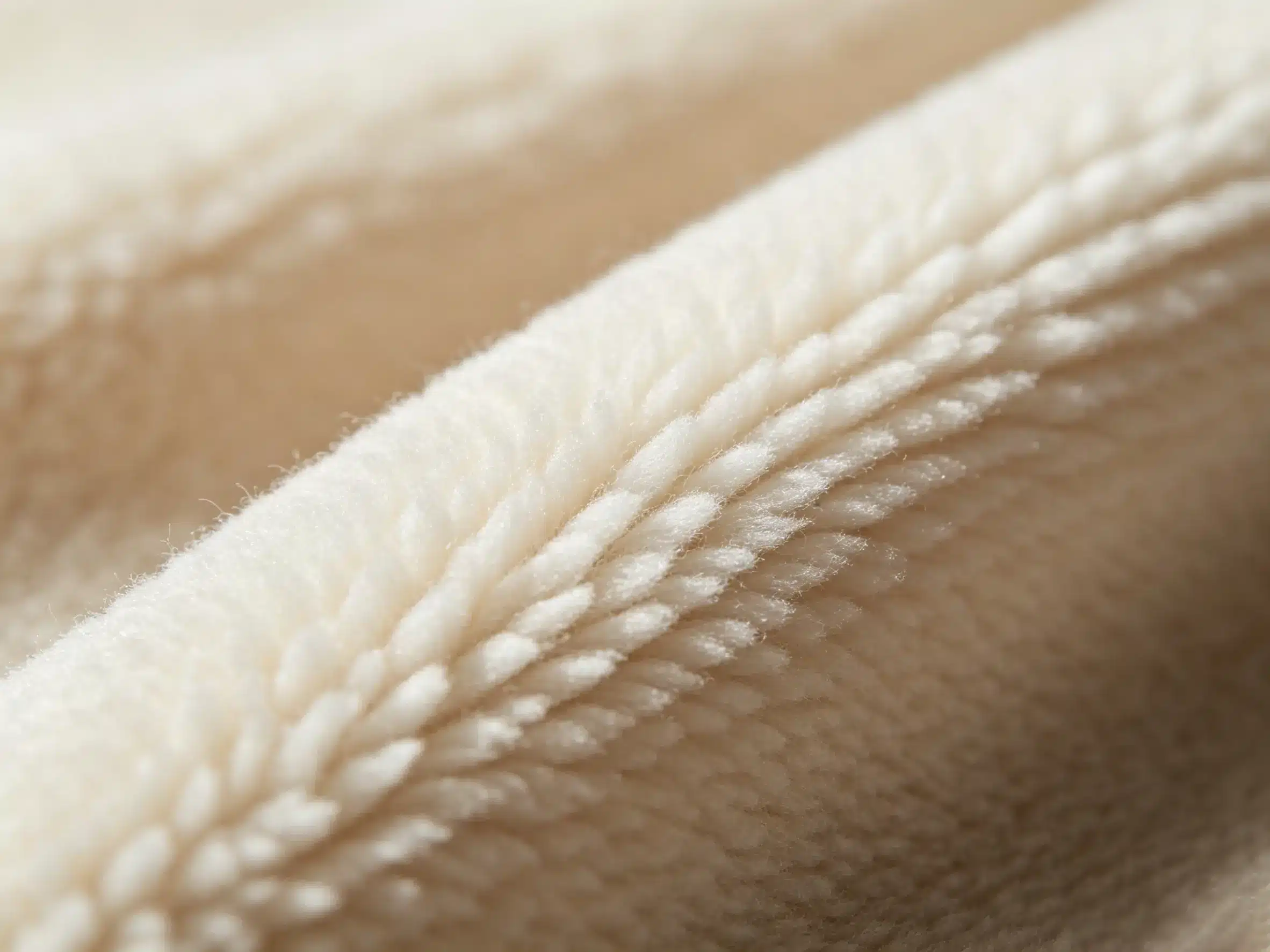
When we develop cleaning products for our B2B clients, performance is everything. A product has to work. I always explain that the structure of microfiber is its secret weapon. The fibers are incredibly fine and split, creating a huge surface area that acts like a magnet for dust and grime. Paper towels are basically pressed paper pulp. They can absorb some liquid, but they don’t have the structure to lift and hold onto solid particles. They often just move the dirt around and can leave lint behind. I remember a test we did for a client creating a car care line. They pitted our microfiber cloths against premium paper towels for polishing a car’s dashboard. The microfiber cloth left a perfect, streak-free shine. The paper towel left behind a trail of lint and a static film that attracted more dust. That test showed them exactly why microfiber is the superior tool for a quality clean.
Effectiveness Breakdown
| Feature | Microfiber Cloth | Paper Towel |
|---|---|---|
| Dirt & Dust Removal | Excellent; traps particles | Poor; pushes particles around |
| Liquid Absorbency | High; holds many times its weight | Moderate; can become saturated quickly |
| Streak-Free Finish | Yes, especially on glass/shiny surfaces | No, often leaves streaks and lint |
| Durability | High; can be used on rough surfaces | Very low; tears easily when wet |
What About the Cost Difference in the Long Run?
You see paper towels on sale and grab a pack. But the roll disappears fast, and you’re back at the store next week. Is this constant spending really the most economical choice?
While paper towels have a low upfront cost, cloth towels are much cheaper over time3. A single purchase of quality microfiber cloths can replace hundreds of rolls of paper towels, saving you significant money.
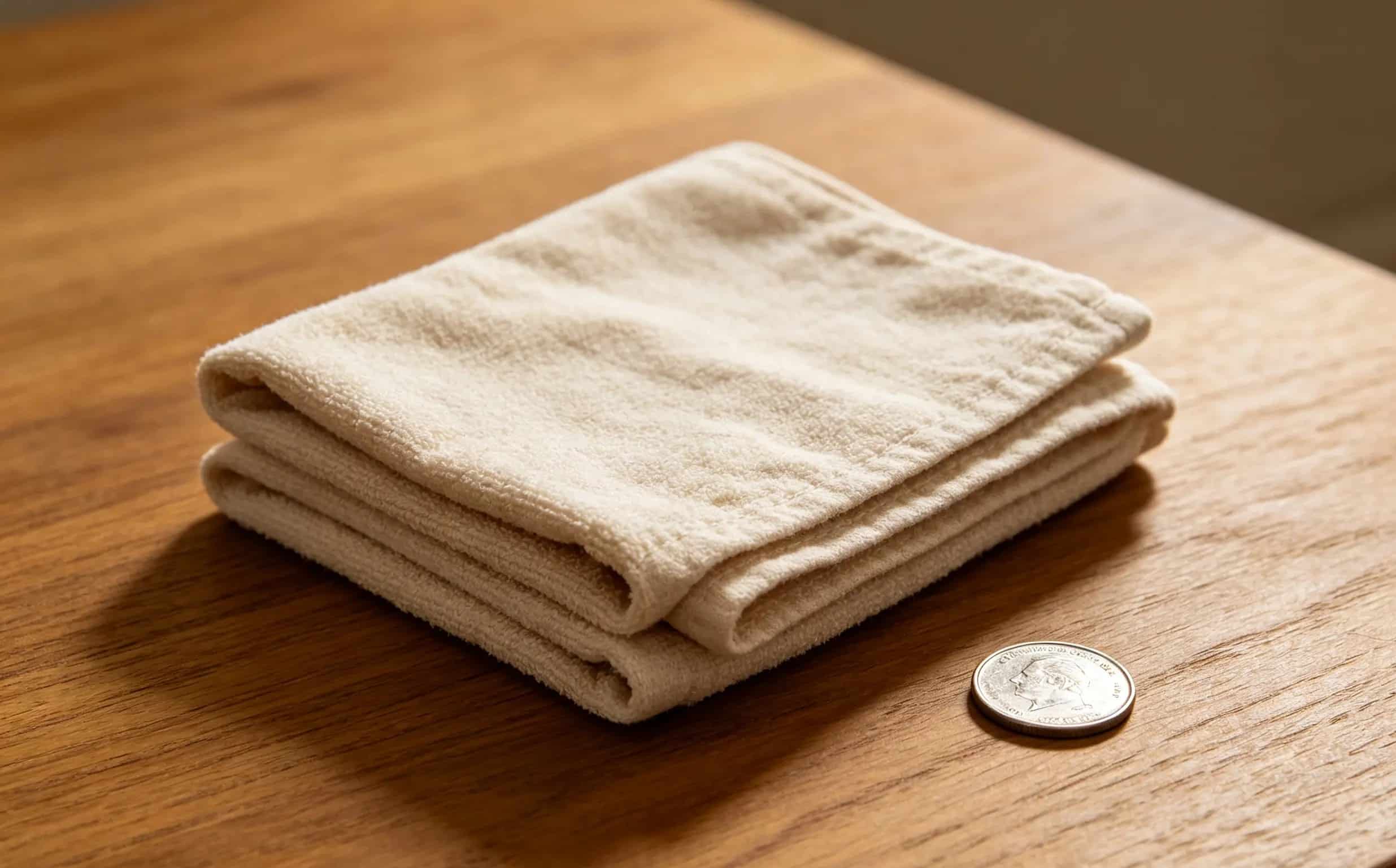
I often talk to purchasing managers, like a client I’ll call Tom from Europe, who are very focused on total cost. He was skeptical at first about the value proposition of reusable cloths for his retail customers. So, we did the math together. An average household might use two rolls of paper towels a week, costing around €3-€4. That adds up to over €150 a year. A set of 12 of our high-quality microfiber cloths costs less than €20 and can last for two years or more with proper care. The savings are obvious. Tom used this cost-saving angle in his marketing, and his "eco-economic" cleaning kits became a bestseller. It proves that customers are smart; they appreciate products that save them money over time. It’s a powerful selling point that we help our OEM partners communicate.
Long-Term Cost Comparison
| Cost Factor | Paper Towels (per household) | Microfiber Cloths (per household) |
|---|---|---|
| Initial Purchase | Low (~€2 per pack) | Moderate (~€15 per set) |
| Recurring Expense | High (buy weekly/monthly) | Very Low (replace every 2-3 years) |
| Estimated Annual Cost | €100 – €200+ | €0 (after initial purchase) |
| Cost Per Use | Increases with every sheet used | Decreases with every use |
Are Cloth Towels Really More Eco-Friendly?
You want to make greener choices4, but you’ve heard that washing cloth towels uses a lot of water and energy. Does that cancel out the benefit of them being reusable?
Yes, cloth towels are significantly more eco-friendly5 than paper towels. A reusable cloth’s impact from washing is tiny compared to the constant manufacturing, shipping, and landfill waste from single-use paper towels.
Sustainability is a huge topic for the brands we supply. They need to be confident in the environmental claims they make. The lifecycle of a paper towel is incredibly resource-intensive6. It involves cutting down trees, using massive amounts of water and energy to pulp them7, bleaching, and then shipping a bulky, low-value product. And after a few seconds of use, it goes straight to a landfill. A microfiber cloth, while made from synthetics, has a much different story. Its manufacturing is more efficient, and its main benefit is extreme reusability8. One cloth can be washed and reused hundreds of times, replacing thousands of paper sheets. The water and detergent used for washing are a fraction of the resources needed to produce the equivalent number of paper towels. We help our clients message this by focusing on "waste reduction9." One cloth can prevent pounds of paper waste from entering landfills each year.
Environmental Impact Analysis
| Aspect | Paper Towels | Microfiber Cloths |
|---|---|---|
| Resource Origin | Trees (deforestation) | Petroleum (non-renewable) |
| Manufacturing | High water and energy use | Moderate energy use |
| Reusability | Single-use | Reusable 300-500+ times |
| End-of-Life | Landfill waste | Landfill waste (but far less volume over time) |
How Do Hygiene and Sanitation Compare?
You worry about spreading germs, especially in the kitchen or bathroom. A disposable paper towel feels like the safest option, but are you sacrificing cleaning power for peace of mind?
Paper towels offer foolproof hygiene10 since they are thrown away after one use. However, cloth towels can be kept perfectly hygienic with a proper washing routine and a color-coding system to prevent cross-contamination.
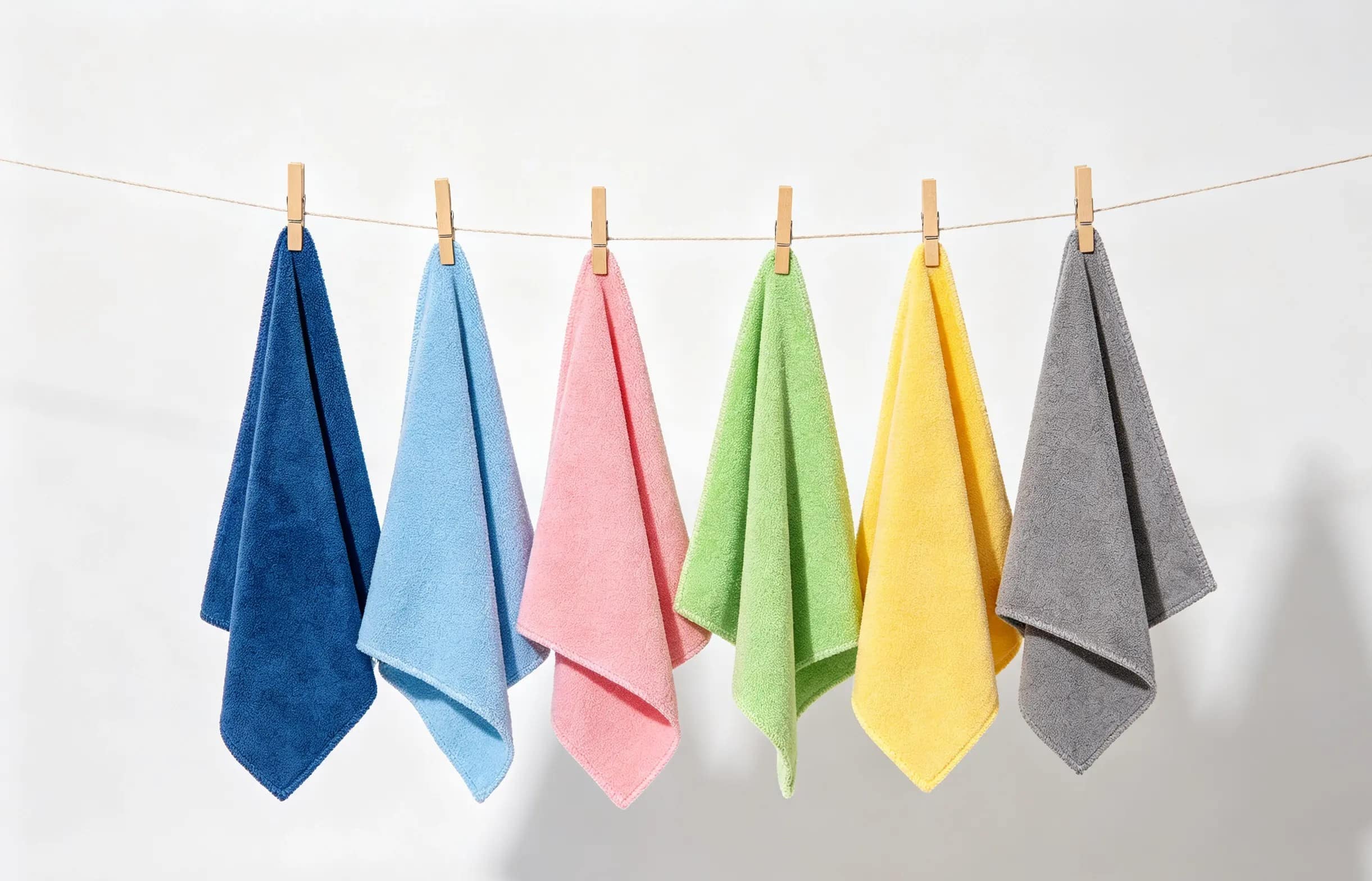
This is a valid concern, and we address it directly with clients who supply cleaning products for commercial or health-conscious markets. There’s no denying the convenience of a disposable towel for something truly gross, like pet messes or raw chicken juice. However, for 99% of cleaning tasks, a cloth is fine if you’re smart about it. The system I use at home and recommend to all our partners is color-coding. It’s simple: blue for glass and general surfaces, green for the kitchen counters, yellow for sinks, and red for toilets. You never mix them up. After use, you rinse them and let them dry before tossing them in a dedicated laundry bag. Washing them in hot water with a good detergent kills any bacteria11, making them fresh and safe for the next use. This system turns a potential hygiene issue into a selling point: a professional, organized approach to cleaning.
Hygiene Management Strategy
| Factor | Paper Towel | Microfiber Cloth |
|---|---|---|
| Cross-Contamination Risk | Almost zero (if used once) | Low to medium (if not managed properly) |
| Best Practice | Use once and discard immediately. | Use a color-coded system. Wash regularly in hot water. |
| Ideal Scenario | Greasy spills, raw meat juices, pet accidents. | Daily wiping, dusting, polishing, washing dishes. |
| Management | None needed. | Requires a simple wash-and-dry routine. |
Conclusion
The best choice depends on the job. Use durable cloth towels for most daily cleaning to save money and the planet, and reserve disposable paper towels for the messiest tasks.
"Microfiber – Wikipedia", https://en.wikipedia.org/wiki/Microfiber. Microfiber cloths are designed with fine, split fibers that increase surface area and enhance their ability to trap dirt and absorb liquids. Evidence role: mechanism; source type: education. Supports: Microfiber cloth towels are more effective for cleaning than paper towels due to their specialized fiber structure.. ↩
"Microfiber – Wikipedia", https://en.wikipedia.org/wiki/Microfiber. Microfiber technology uses split fibers to increase surface area and improve dirt and liquid absorption. Evidence role: mechanism; source type: research. Supports: Microfiber cloths are designed with special fibers that trap dirt and absorb liquids effectively.. Scope note: Effectiveness may vary depending on the quality of the microfiber cloth. ↩
"Can anyone speak to the cost effectiveness of the increased laundry …", https://www.reddit.com/r/Frugal/comments/rhr41r/can_anyone_speak_to_the_cost_effectiveness_of_the/. Reusable cloth towels, such as microfiber, can last for years and reduce the need for frequent purchases compared to disposable paper towels. Evidence role: statistic; source type: research. Supports: Cloth towels are more cost-effective in the long run compared to paper towels.. Scope note: Cost savings depend on proper care and usage of cloth towels. ↩
"[PDF] What You Should Know About Microfiber Pollution – US EPA", https://19january2021snapshot.epa.gov/sites/static/files/2020-07/documents/article_2_microfibers.pdf. Reusable cleaning products, such as microfiber cloths, are generally considered more sustainable than disposable alternatives. Evidence role: expert_consensus; source type: institution. Supports: Reusable cloth towels are a greener choice compared to paper towels.. Scope note: Sustainability depends on the environmental impact of production and disposal. ↩
"Identifying Greener Cleaning Products | US EPA", https://www.epa.gov/greenerproducts/identifying-greener-cleaning-products. Reusable cloth towels reduce landfill waste and resource consumption compared to single-use paper towels. Evidence role: expert_consensus; source type: institution. Supports: Cloth towels are more environmentally friendly than paper towels.. Scope note: Environmental benefits depend on proper washing practices and frequency of reuse. ↩
"Performance and sustainability vs. the shelf price of tissue paper …", https://bioresources.cnr.ncsu.edu/resources/performance-and-sustainability-vs-the-shelf-price-of-tissue-paper-kitchen-towels/. The production of paper towels involves significant water, energy, and raw material consumption, contributing to environmental degradation. Evidence role: mechanism; source type: research. Supports: Paper towel production is resource-intensive compared to reusable cloth towels.. Scope note: The environmental impact varies depending on manufacturing practices and regional regulations. ↩
"Energy efficiency challenges in pulp and paper manufacturing", https://bioresources.cnr.ncsu.edu/resources/energy-efficiency-challenges-in-pulp-and-paper-manufacturing-a-tutorial-review/. The paper manufacturing process is known to consume large quantities of water and energy, particularly during the pulping stage. Evidence role: mechanism; source type: research. Supports: Paper towel production consumes significant water and energy during the pulping process.. Scope note: Resource consumption levels can vary by manufacturer and region. ↩
"What’s the average lifespan of the KS microfiber towels? : r/Costco", https://www.reddit.com/r/Costco/comments/15xjj59/whats_the_average_lifespan_of_the_ks_microfiber/. Microfiber cloths can be reused hundreds of times, significantly reducing waste compared to single-use paper towels. Evidence role: statistic; source type: education. Supports: Microfiber cloths are highly reusable, making them a sustainable alternative to paper towels.. Scope note: Reusability depends on proper care and washing practices. ↩
"Identifying Greener Cleaning Products | US EPA", https://www.epa.gov/greenerproducts/identifying-greener-cleaning-products. Using reusable cloth towels can significantly reduce the amount of paper waste generated by households and businesses. Evidence role: statistic; source type: institution. Supports: Reusable cloth towels contribute to waste reduction compared to single-use paper towels.. Scope note: Waste reduction depends on the frequency of cloth towel reuse and proper disposal practices. ↩
"Bacterial transfer and cross-contamination potential associated with …", https://pubmed.ncbi.nlm.nih.gov/14639433/. Paper towels are single-use items, which minimizes the risk of cross-contamination during cleaning tasks. Evidence role: mechanism; source type: education. Supports: Paper towels are more hygienic for certain tasks due to their single-use nature.. Scope note: This applies primarily to tasks involving high contamination risks. ↩
"Removal and Transfer of Viruses on Food Contact Surfaces by …", https://pmc.ncbi.nlm.nih.gov/articles/PMC3346440/. Washing cloth towels in hot water with detergent is effective in killing bacteria and maintaining hygiene. Evidence role: mechanism; source type: education. Supports: Hot water and detergent can effectively sanitize cloth towels, making them safe for reuse.. Scope note: Effectiveness depends on water temperature and detergent quality. ↩