
Tired of buying endless chemical sprays for simple cleaning tasks? It feels wasteful and expensive. What if you could get a perfect clean using only what comes from your tap?
Yes, in most situations, microfiber cloths clean effectively with just water. The unique split fibers mechanically grab and lift dust, dirt, and bacteria without needing chemical cleaners1, making them a powerful and eco-friendly tool2 for daily cleaning.
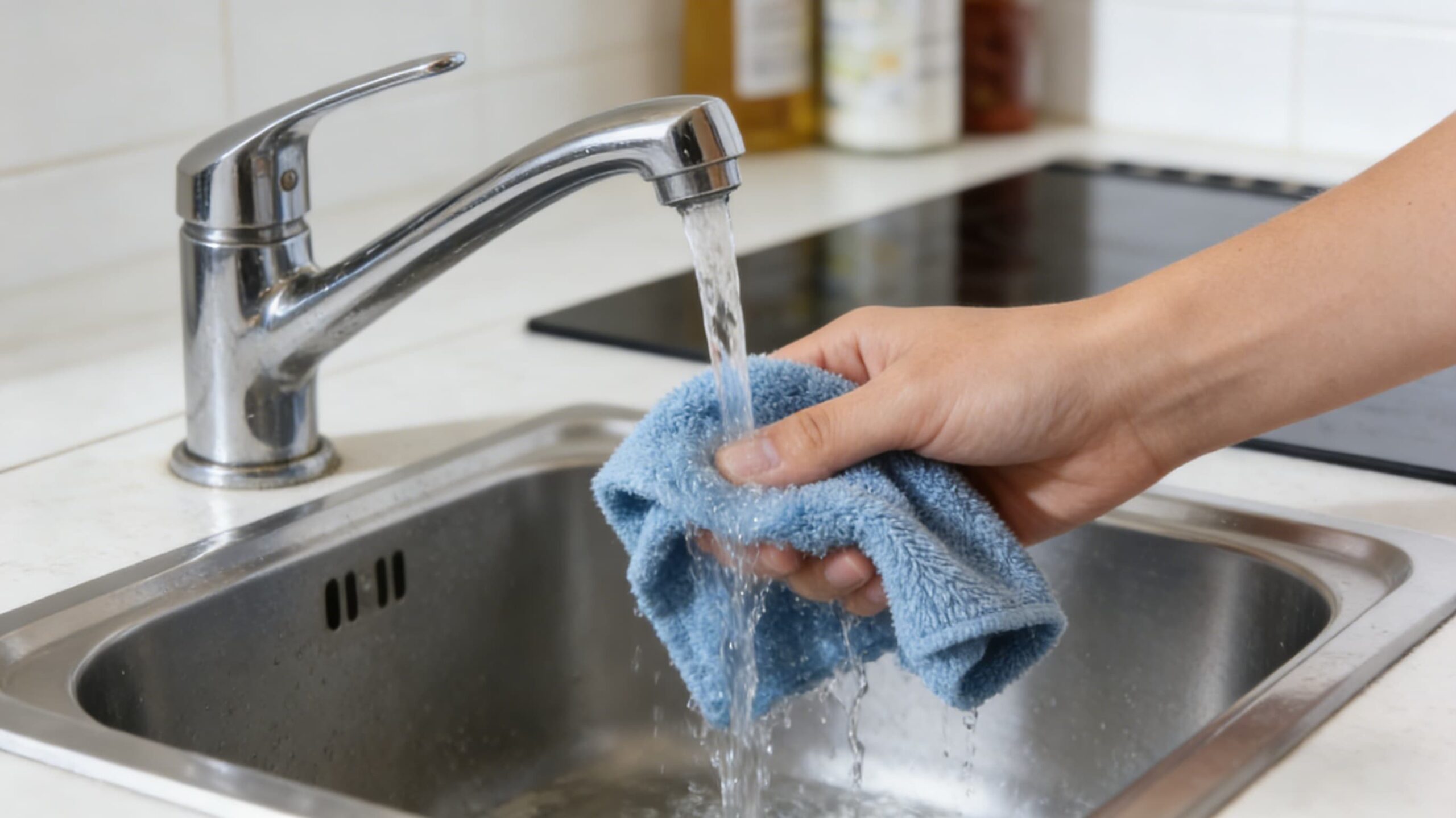
I’ve been in the microfiber business for years, supplying to global brands and learning exactly what makes these cloths work. Many of my clients, like Tom from Europe, are always looking for effective and economical solutions. The question about using just water comes up all the time. The short answer is exciting, but the full story will help you get the most out of every cloth you own. Let’s dive into the details.
Can I really just use water to wash my microfiber cloths3?
You want to clean effectively but worry that just water isn’t enough. Using the wrong products could ruin your cloths, wasting money. There is a simple way to wash them correctly.
Based on my experience, washing with only water is enough for most cleaning tasks. You can use a water temperature4 between 0-60°C (32-140°F). Going above 60°C can damage the microfiber structure, making it less durable over time.
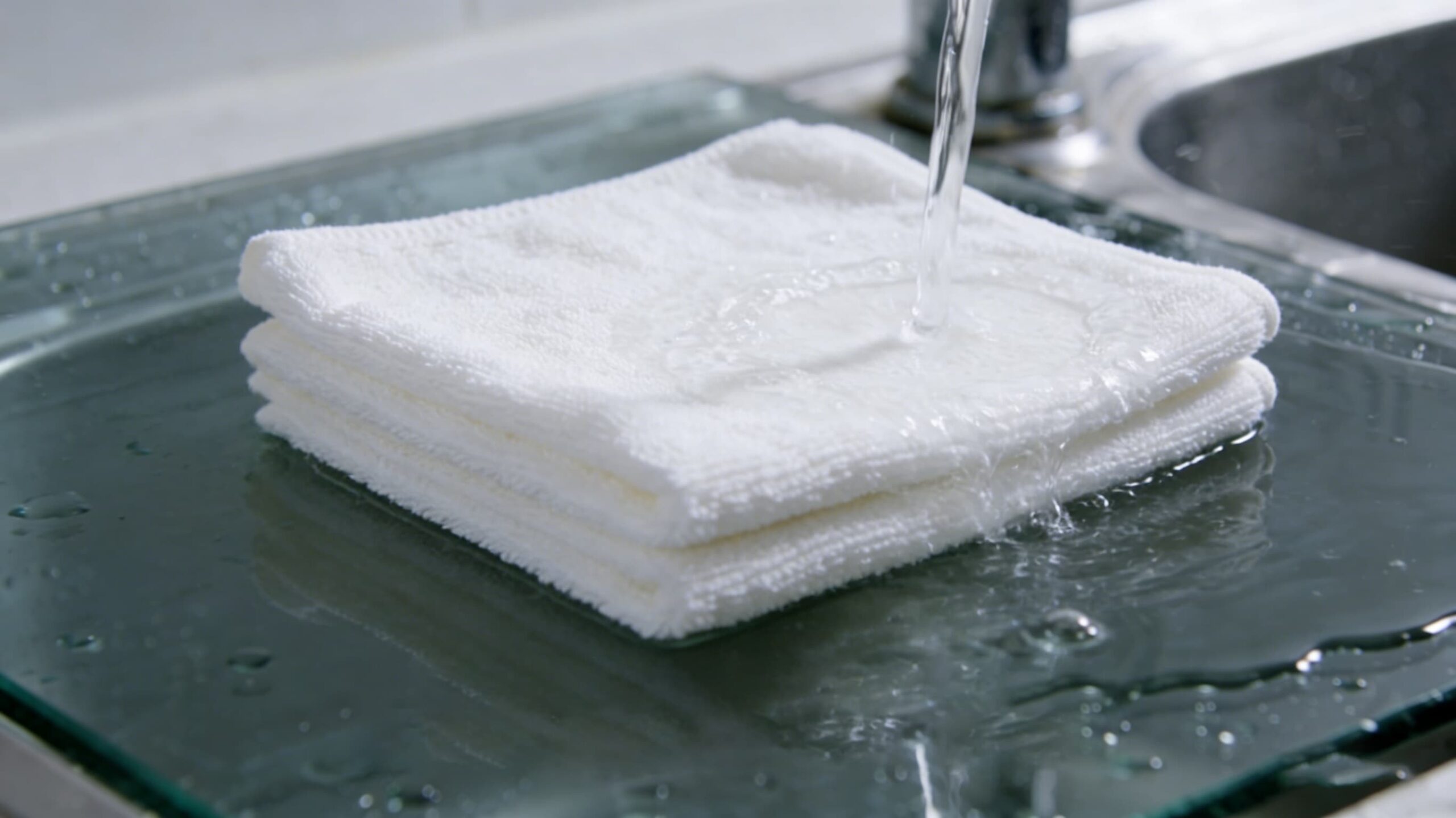
The magic of microfiber is in its structure. Each fiber is split into microscopic wedges. This design creates a huge amount of surface area, like millions of tiny scoops. When you wipe a surface with a damp cloth, these wedges grab onto dust, dirt, and even bacteria, trapping them within the cloth. Water acts as a lubricant, helping the fibers glide over the surface and pick up grime more easily. It’s a physical cleaning process, not a chemical one. That’s why you don’t need sprays for most jobs. Just remember the temperature rule. High heat will melt the fine synthetic fibers, causing them to fuse together. When this happens, they lose their special shape and can no longer clean effectively. Stick to cool or warm water, and your cloths will perform perfectly.
Water Temperature Guide
| Water Temperature | Effect on Microfiber | Best For |
|---|---|---|
| Cool/Warm (0-60°C) | Safe for fibers, preserves structure | General cleaning, daily washing |
| Hot (Above 60°C) | Risks melting/damaging fibers | Not Recommended, reduces lifespan |
What about cleaning heavy grease5 and stubborn stains?
You’ve run into a greasy mess that plain water just smears around. It’s frustrating when your powerful cleaning cloth can’t handle the job. But you don’t need harsh chemicals to fix it.
For heavy oil or tough stains, water alone might not be enough. My advice is to add a few drops of simple dish soap. Remember to keep the water temperature between 0-60°C. Most importantly, never add fabric softener6 or bleach7. They will severely damage the fiber structure.
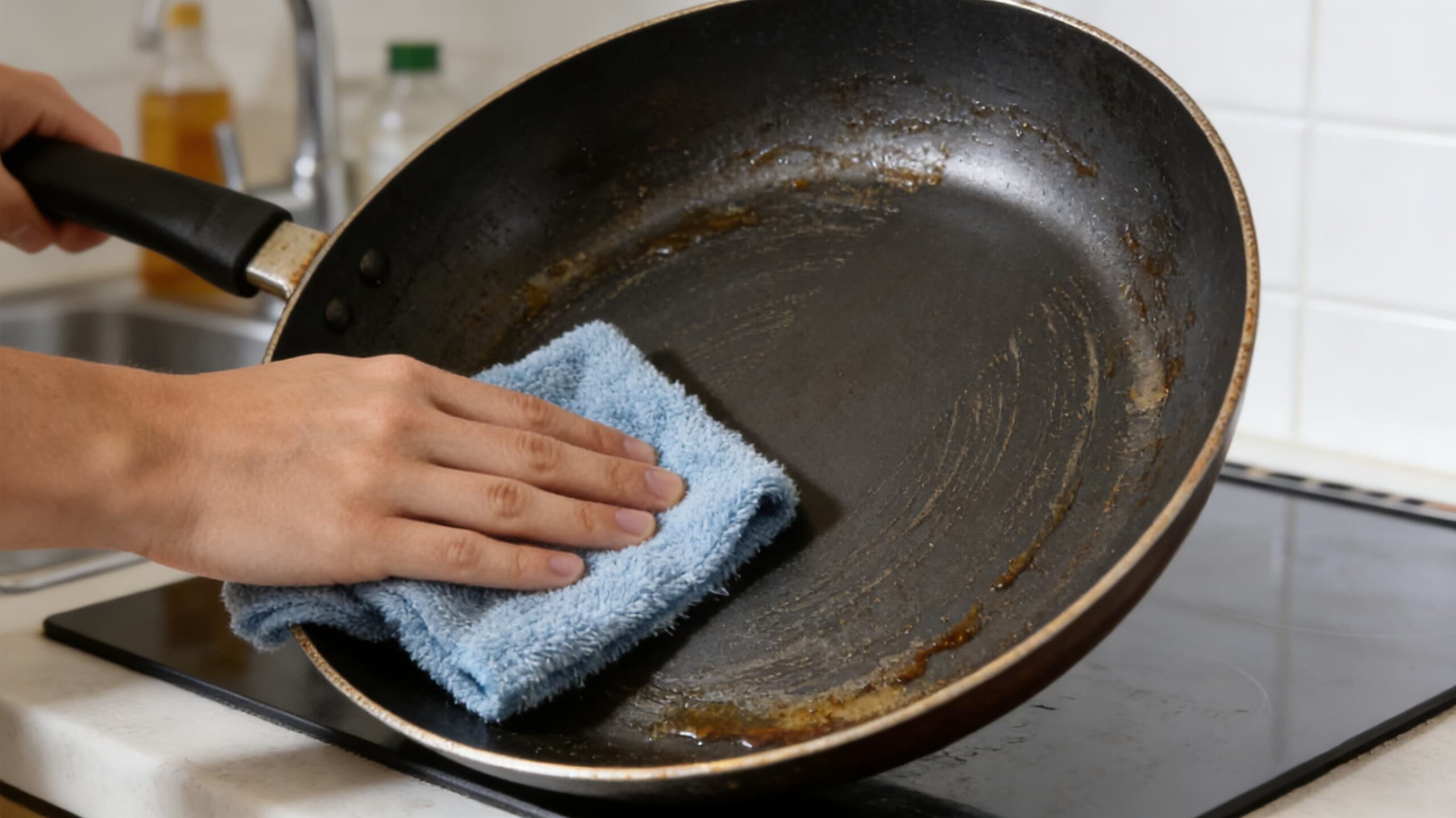
Think about washing greasy hands. Water alone doesn’t work very well, but a little soap breaks up the grease instantly. The same principle applies here. The dish soap8 helps emulsify the oil, lifting it from the surface so the microfiber can trap it. This lets you tackle kitchen grease or stubborn grime without resorting to harsh chemicals. However, what you don’t add is just as important. I always tell my clients to avoid two things at all costs: fabric softener and bleach.
The Forbidden Cleaners
- Fabric Softener: This product works by coating fibers with a waxy, softening film. For microfiber, this is a disaster. It completely clogs the microscopic gaps between the split fibers, destroying the cloth’s ability to absorb water and grab dirt. Your cloth will just push dirt around instead of picking it up.
- Bleach: Bleach is a harsh chemical that corrodes the ultra-fine polyester and polyamide fibers. It makes them brittle and weak, causing the cloth to fall apart and lose all its cleaning power.
Proper care is simple: just water for light jobs, a little soap for heavy ones.
How many times can I reuse a microfiber cloth?
You want cleaning tools9 that last, but many products wear out quickly. Buying disposable wipes or cheap cloths feels wasteful and expensive over time. A good cloth should be a long-term investment10.
A single high-quality microfiber cloth can be used and washed hundreds of times. As long as you wash it correctly, it will keep working for you. Proper care is the key to making it last.
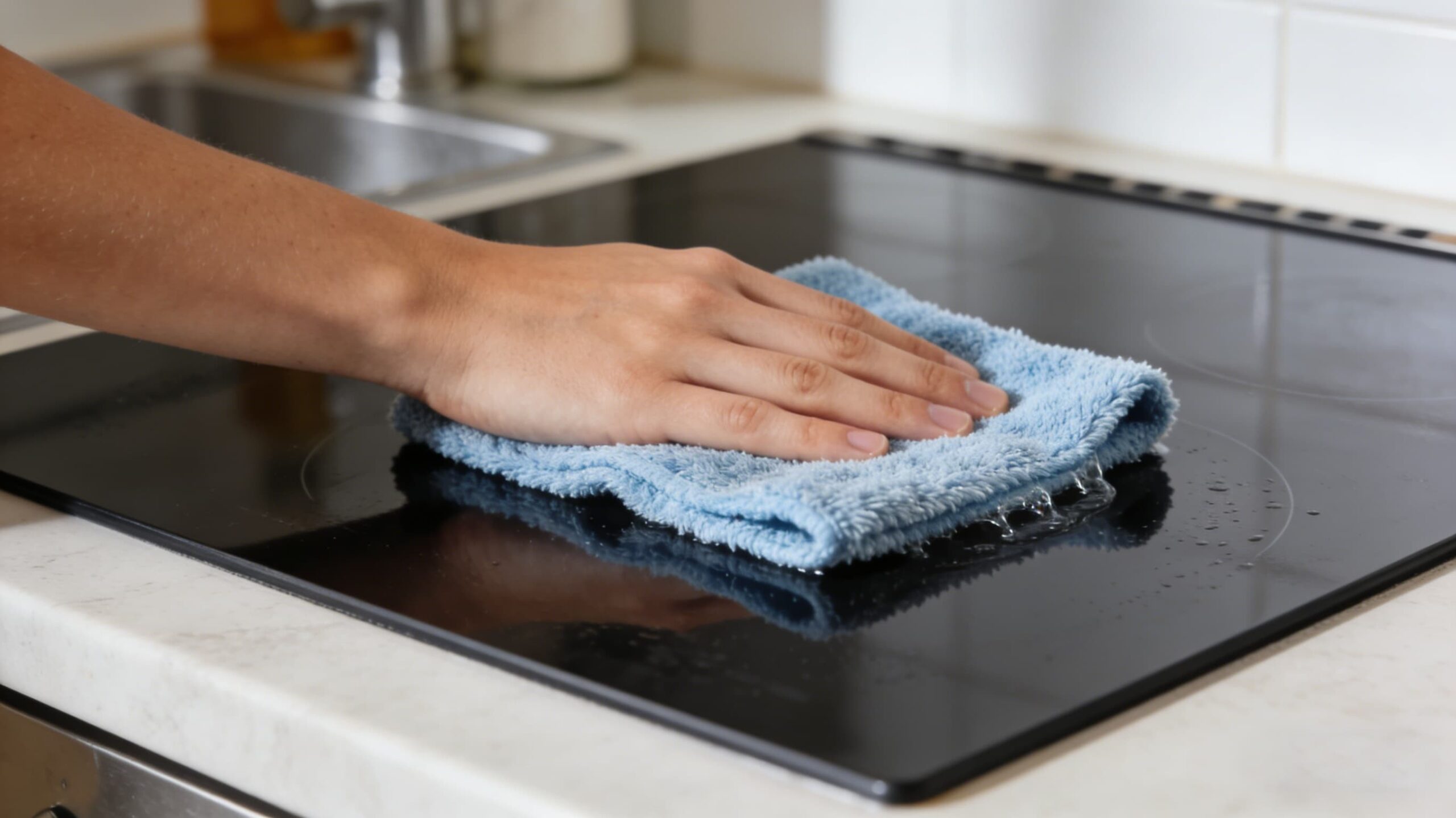
As a manufacturer, I know that well-made microfiber is incredibly durable. When you care for it properly, you are making a smart financial choice. I have cloths in my own home that have been in regular use for over two years, and they still work great. Think about the return on investment. A good cloth might cost a dollar or two, but if you can use it 300 times, the cost per use11 is less than a penny. Compare that to the constant expense of paper towels or single-use wipes. For professional buyers like Tom, this durability means offering a product with real value to customers. You’ll know a cloth is at the end of its life when it starts feeling stiff, stops absorbing water well, or begins to leave lint behind. Until then, it’s the most economical cleaning tool you can own.
Cost Over One Year: Microfiber vs. Disposables
| Item | Initial Cost | Uses | Annual Cost (Example) |
|---|---|---|---|
| Microfiber Cloth | $2 | 300+ | $2 (or more, depending on quantity) |
| Paper Towels | $15/pack | ~60 uses/pack | $150+ (buying ~10 packs/year) |
Conclusion
Microfiber truly cleans with just water for most tasks. Add a little soap for grease and avoid harsh chemicals to ensure one cloth can serve you well for hundreds of uses.
Learn about the potential dangers of chemical cleaners and why switching to natural alternatives can be beneficial. ↩
Explore a range of eco-friendly cleaning tools that can help you maintain a clean home without harming the planet. ↩
Discover how microfiber cloths can revolutionize your cleaning routine with their eco-friendly and effective properties. ↩
Find out the best practices for washing microfiber cloths to ensure their longevity and effectiveness. ↩
Get tips on tackling tough grease stains using safe and effective cleaning methods. ↩
Learn why fabric softener can ruin microfiber cloths and what alternatives you can use. ↩
Discover the harmful effects of bleach on microfiber and why it’s best to avoid it in your cleaning routine. ↩
Understand how dish soap can enhance the cleaning power of microfiber cloths without damaging them. ↩
Find out which cleaning tools can help you achieve a spotless home while saving time and money. ↩
Understand the financial benefits of investing in high-quality microfiber cloths for your cleaning needs. ↩
Learn how to evaluate the cost-effectiveness of cleaning products to make smarter purchasing decisions. ↩